
Where to find Linz Christmas Market
Highlights of Linz Christmas Market
- Two complementary markets: the historic Hauptplatz and the family-friendly Volksgarten
- Life-size nativity scene with hand-painted figures in the Volksgarten
- Free little train between the two markets at weekends
- Linzer Torte and Punsch among the local specialities to try on the spot
- Hauptplatz fully pedestrianised since late 2024, making it easy to get around the chalets
Where to stay near Linz Christmas Market
Hotels, flats and rooms around the market, for the dates of your stay.
Check availability with our partners
Linz Christmas Market in pictures
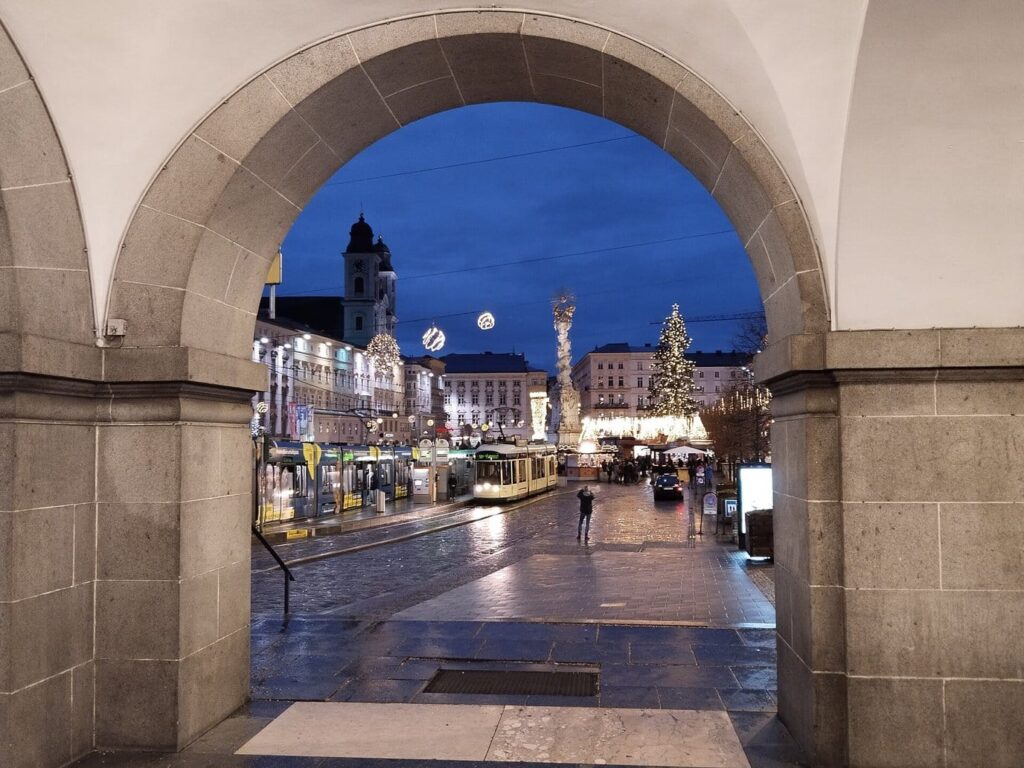
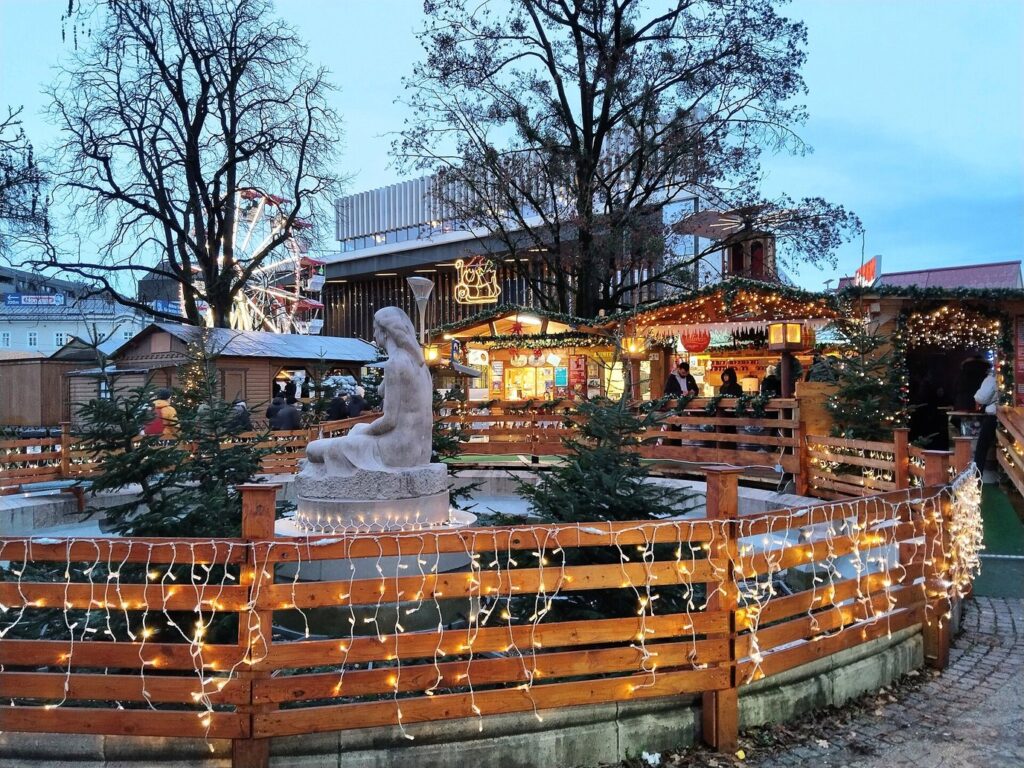
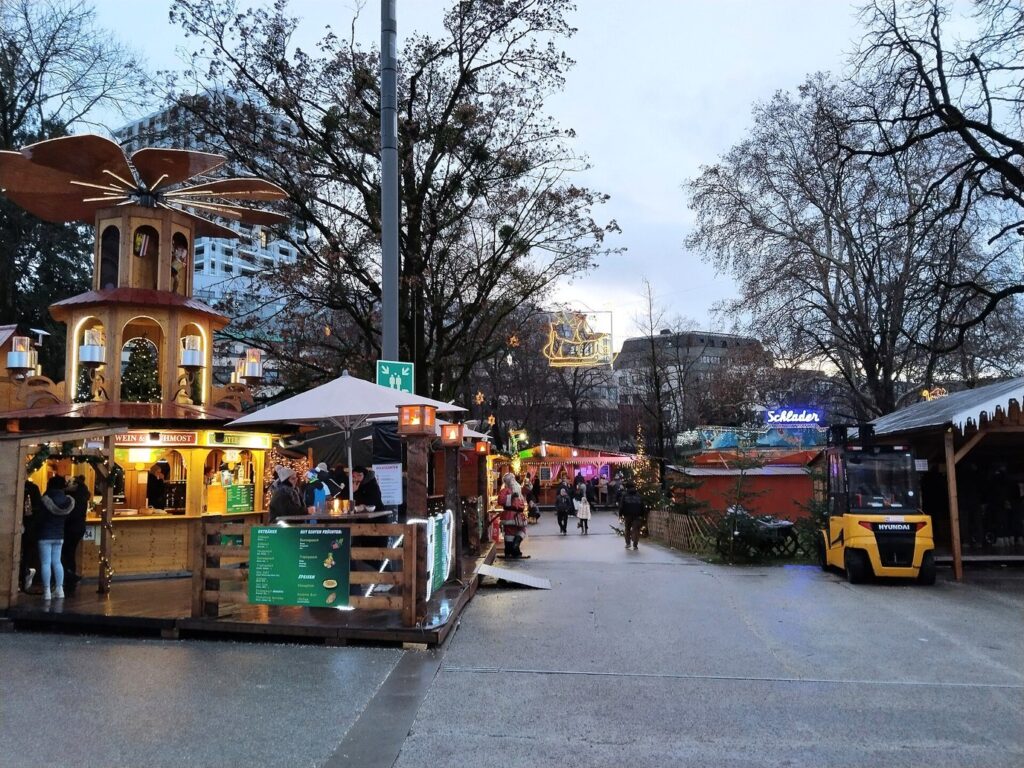
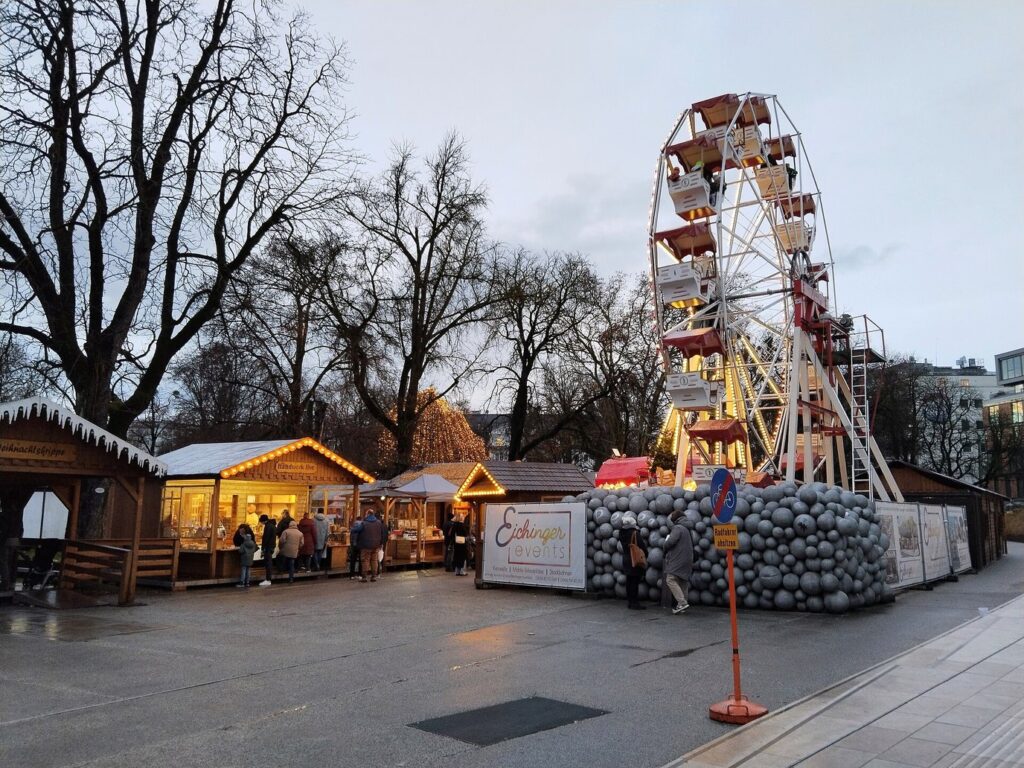
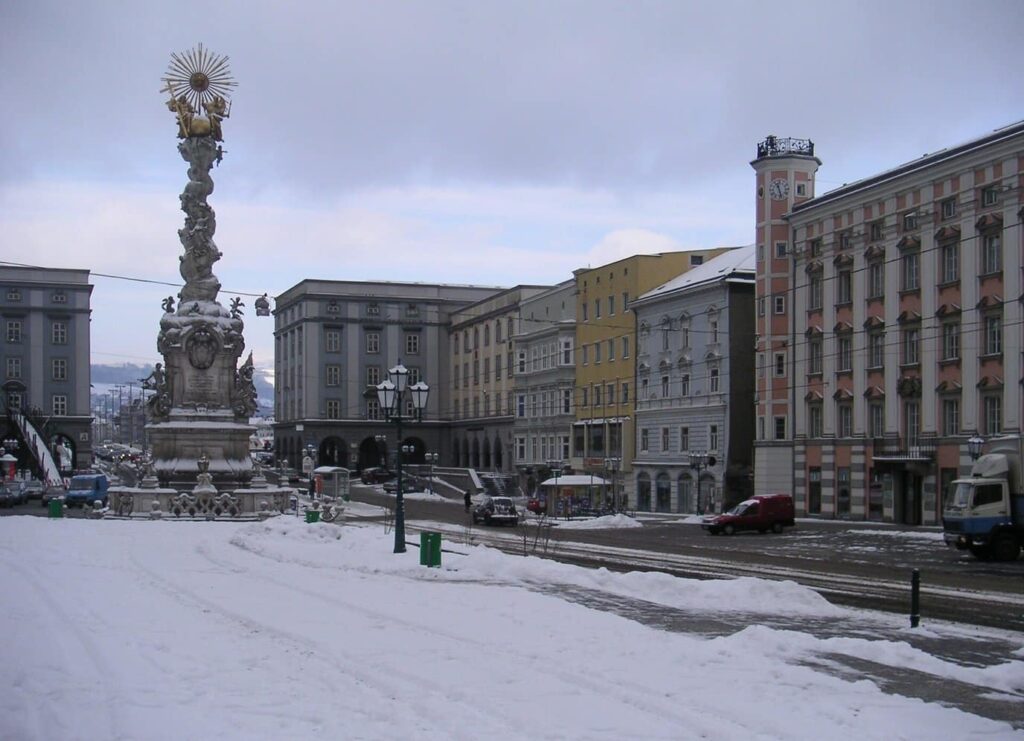
Linz Christmas market livens up the historic centre of the capital of Upper Austria, between the Hauptplatz, lined with colourful Baroque façades, and the Volksgarten, a park turned into a family village for Advent. Nestled on the banks of the Danube, about an hour and twenty minutes from Vienna and just over two hours from Munich by direct train, Linz is an easy stop if you are planning a winter trip to Austria from France. The atmosphere blends an illuminated Christmas tree, regional crafts and the scent of hot Punsch.
Linz Christmas market on the Hauptplatz
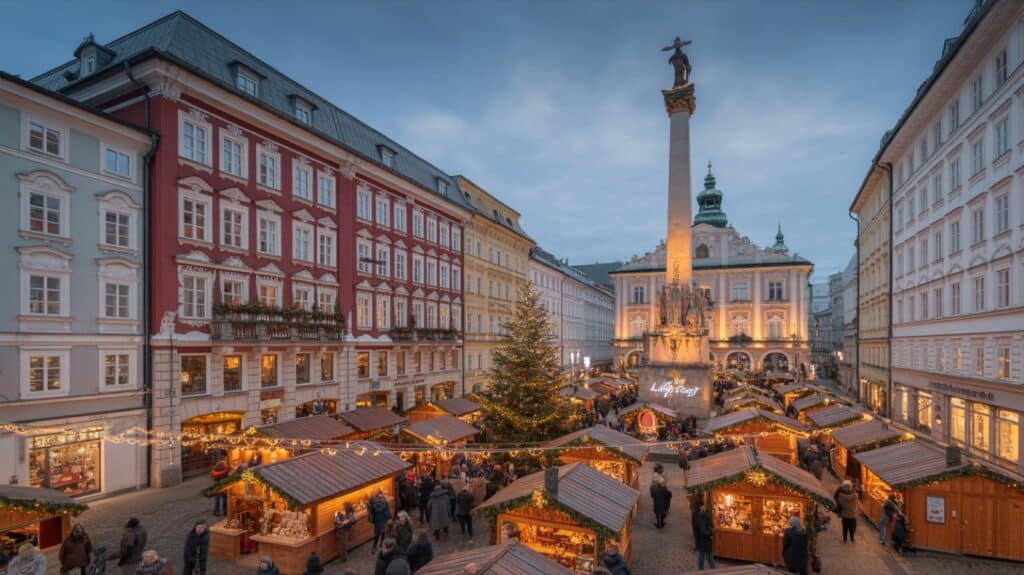
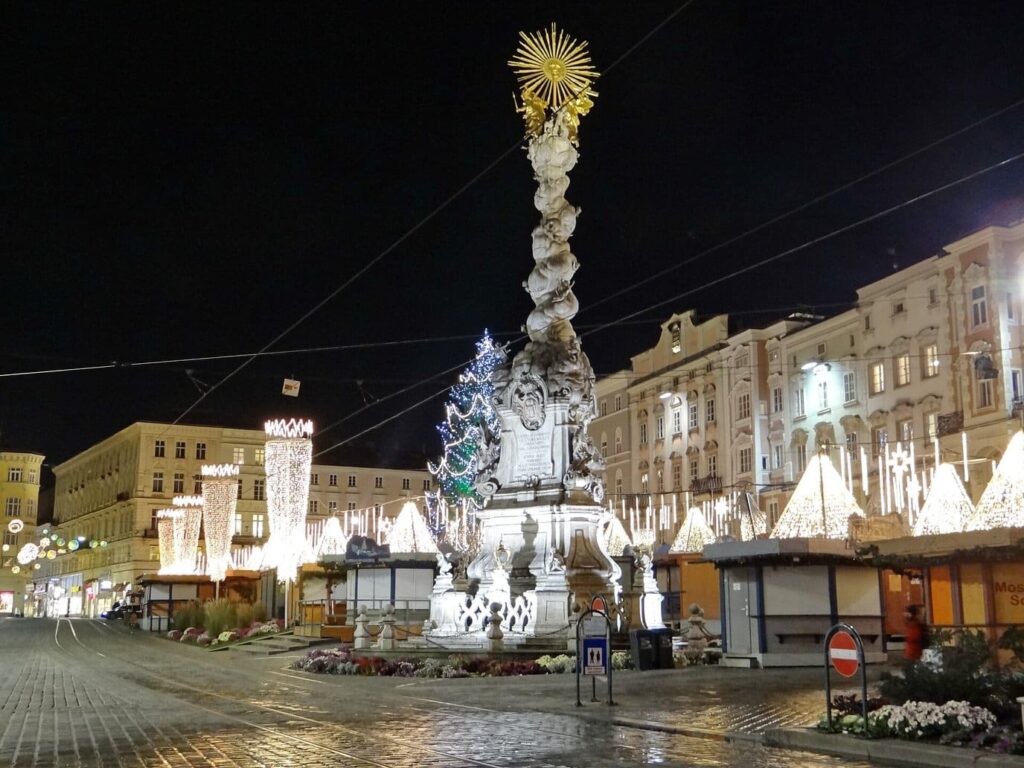
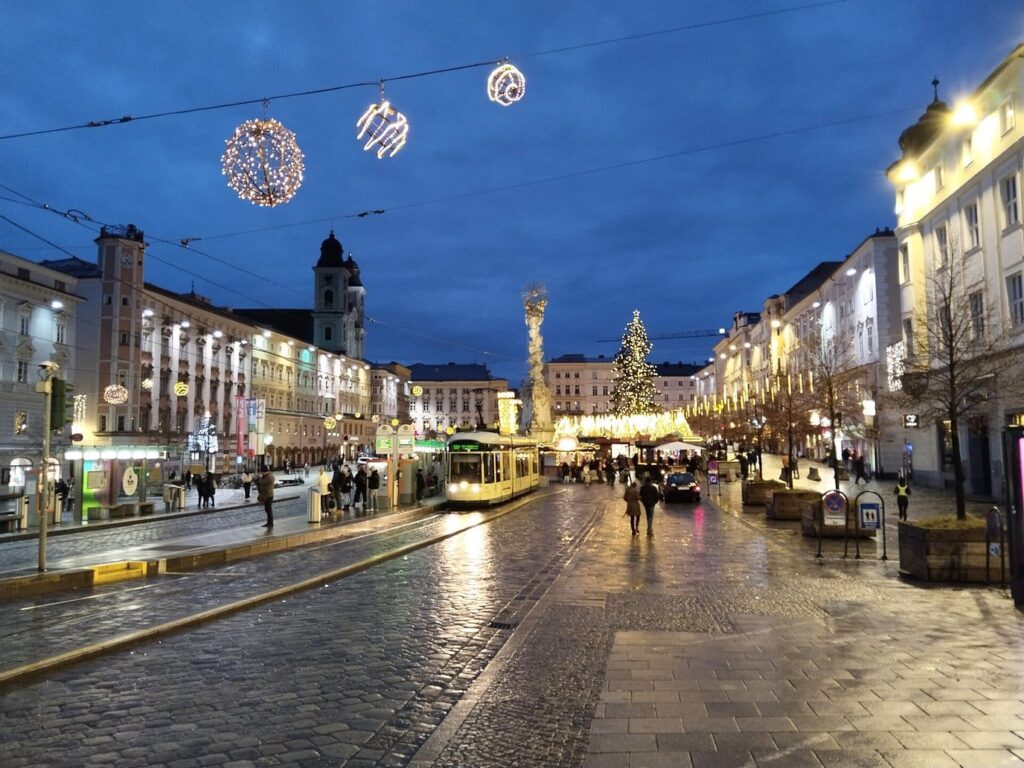
At 13,140 m² (219 metres long by 60 wide), the Hauptplatz is presented by the city as one of the largest built squares in Austria. Laid out as early as the 13th century, it is framed by the Altes Rathaus (the old town hall, 16th century) and the Dreifaltigkeitssäule, the Trinity Column erected between 1717 and 1723. Since late 2024 the square has been fully pedestrianised, which makes it easier to move between the chalets during the market.
The market runs from 21 November to 23 December 2026, every day from 10am to 9pm, according to the programme published by the city's tourist office. A large illuminated Christmas tree stands in the middle of the square, surrounded by wooden chalets selling hand-blown decorations, pottery, glassware and jewellery, alongside food stalls. The colourful façades lining the Hauptplatz make a setting the city itself likens to a fairy tale, with garlands strung from one building to the next.
The Pöstlingberg, the hill overlooking the Danube north-west of the centre, is reached by a mountain tramway without a rack, counted among the steepest adhesion railways in the world: it serves a Baroque church and a themed grotto, with a view over the city and the course of the Danube from the top, all year round, including during the weeks of the Christmas market. In the old town, the Alter Dom, the former cathedral built between 1669 and 1673, counted the composer Anton Bruckner among its organists from 1855 to 1868. The more recent Neuer Dom (1862-1935) is presented by the city as the largest church in Austria, with a spire deliberately kept three metres lower than that of St Stephen's Cathedral in Vienna.
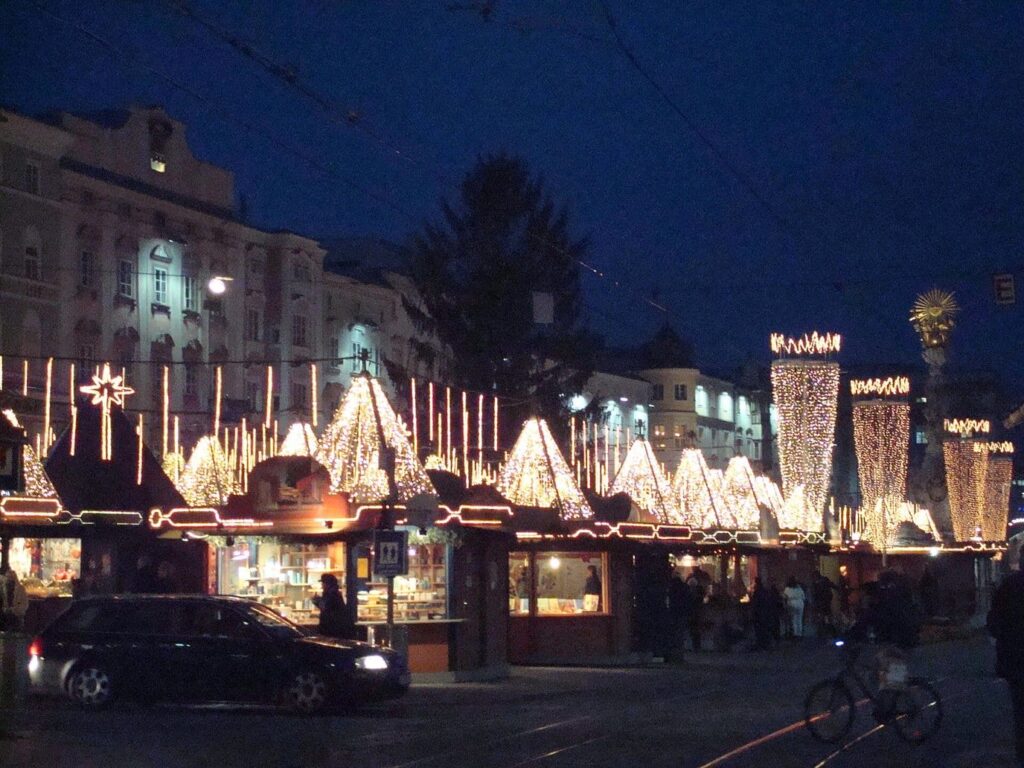
In the evening, the Hauptplatz chalets stay lit until closing time and the square looks quite different from the daytime, with reflections on the cobbles and the smell of gingerbread. Weekends towards the end of the year bring more visitors to the square; weekday mornings offer a calmer pace for wandering from one chalet to the next.
The Volksgarten, a market designed for families
The Volksgarten, one of the oldest parks in Linz city centre, hosts a second Christmas market, more geared towards children, a few streets from the Hauptplatz. A life-size nativity scene with hand-painted figures stands alongside a merry-go-round and small animated huts featuring fairy-tale characters. The park, redesigned in 2012 when the neighbouring musical theatre was built, suits this atmosphere well, with its paths lit up for the occasion and sheltered benches set around the main attractions.
Craft demonstrations and concerts fill the afternoons and evenings, with the same opening hours as the Hauptplatz (21 November to 23 December 2026, 10am to 9pm). At weekends, a free little train links the two markets every half-hour, between 3pm and 7pm, from signposted stops in the centre: a way to visit the Hauptplatz and the Volksgarten without walking back along the same streets.
The park paths are wide and paved, easy with a pushchair, which explains why families with young children prefer the Volksgarten to the Hauptplatz, which is busier on weekdays and at weekends alike. The benches around the merry-go-round let you keep an eye on the children while enjoying a hot Punsch.
Specialities: Punsch, Glühwein and Linzer Torte
At the stalls of both markets, the choice is mainly between Punsch, often made with rum or red berries, and Glühwein, the more classic mulled wine spiced with cinnamon and cloves. Both drinks are served in collectable ceramic mugs, a common ritual at Austrian markets. To keep the mood going at home, a Glühwein recipe and its variations can be found on our mulled wine guide.
Savoury or sweet, the stalls also sell hot chestnuts, gingerbread and Linzer Torte, the almond and redcurrant jam tart named after the city. As at most Austrian markets, you will also find candied almonds and Kiachl, fried dough served hot. Cheeses, charcuterie and honey from Upper Austria complete the stalls, alongside more local specialities depending on each year's exhibitors. The Punsch and Glühwein mugs, decorated with a different design every season, usually come with a small deposit, refunded when you return the mug.
Getting there from France and practical information
There is no direct rail link to Linz from Paris. The simplest option is to fly to Vienna or Munich, then take the train: Vienna-Linz takes about an hour and twenty minutes on the Westbahn line's Railjets, while Munich-Linz takes just over two hours. A direct Paris-Vienna flight lasts about two hours ten minutes; Munich, another handy gateway to Austria, can also be reached by plane or by high-speed train from Paris in just under six hours. The Nightjet sleeper from Paris to Vienna has not run since December 2025; without flying, the journey is therefore made by day via Munich. By car, the city is reached via the A1 motorway from Salzburg or Vienna.
From the main station (Hauptbahnhof), Linz trams reach the Hauptplatz in a few stops; you can also walk there in about twenty minutes along the Landstrasse, the shopping street that runs through the centre. Winter temperatures in Austria call for warm clothes, especially for long evenings on the Hauptplatz or by the Danube.
Entry to both markets is free, only purchases and drinks are paid; allow between 10 and 25 euros for a food break with one or two drinks. A visit to the Hauptplatz takes about an hour, and it is worth allowing an extra hour for the Volksgarten if the children enjoy the merry-go-round. No official information on accessibility for people with reduced mobility is available for either market, so it is best to check directly with the tourist office before you go.
Krampus and nearby markets in Austria
In early December, the Krampus tradition is still very much alive throughout Upper Austria: noisy but well-supervised costumed processions parade through several towns in the region around 5 and 6 December, echoing the visit of Saint Nicholas. This ancient folklore accompanies Advent without replacing the family atmosphere of the Hauptplatz and the Volksgarten.
Linz Christmas market is first and foremost an outing for people from Upper Austria and neighbouring regions, in Bavaria or South Bohemia, who come to spend a day or an evening there. Combined with the markets in Steyr, about forty minutes away by train, and Hallstatt, nearly two hours away, it lets you put together a short winter break centred on the Danube valley and the Salzkammergut.
To extend your stay, several nearby markets can be reached by train or car from Linz:
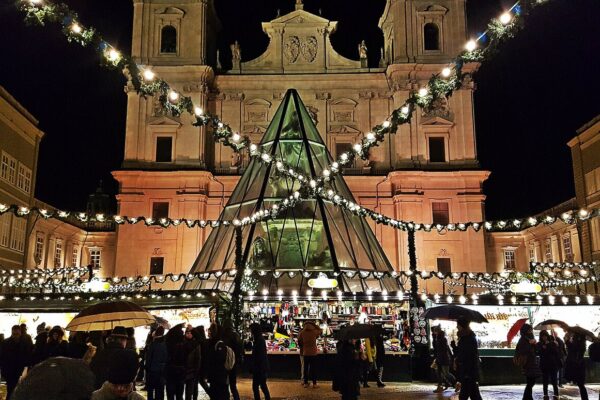
- Salzburg Christmas market, just over an hour away by train, brings together the markets on Domplatz and Residenzplatz in the UNESCO-listed old town.
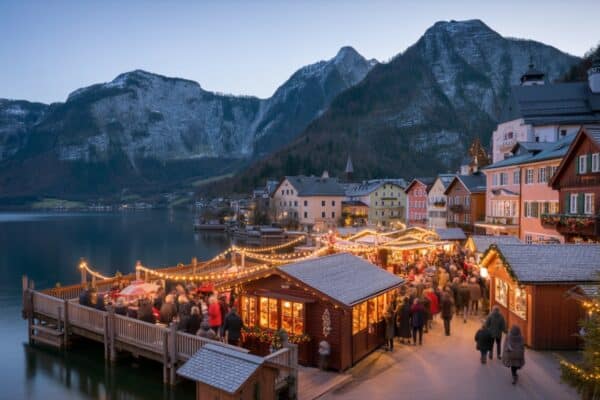
- Hallstatt Christmas market, held on a single weekend in early December on the village Marktplatz, is reached by train to the lakeside station and then by ferry.
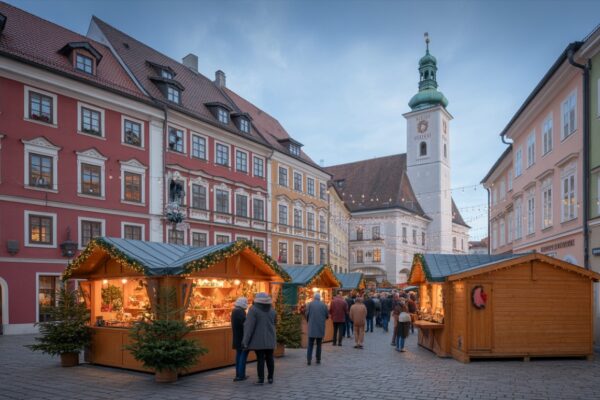
- Steyr Christmas market, about forty minutes away by train, comes with the Christmas post office in the Christkindl district and the Steyrer Kripperl, a rod puppet theatre performed on Advent weekends.
- The Ars Electronica Center, on the banks of the Danube, offers an immersion in digital art for a sheltered break if cold or rain sets in during your market visits.
Specialities to try
The flavours that make this market what it is
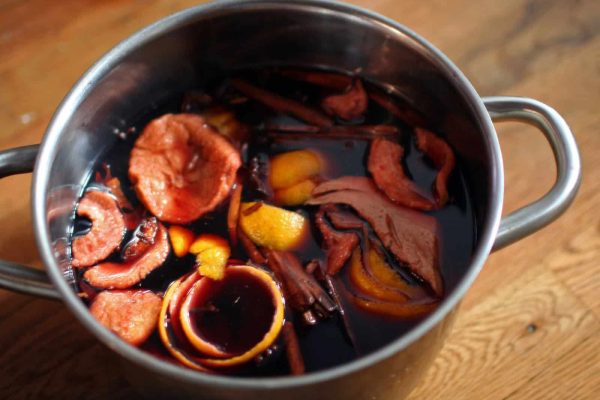


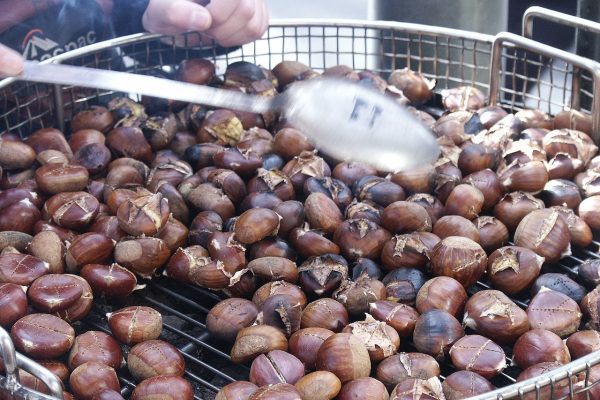
Also: Linzer torte, Leberkäse, Bratäpfel
Our tip
At weekends, the free little train links the Hauptplatz and the Volksgarten every half-hour between 3pm and 7pm: handy for visiting both markets without doing it all on foot.
Reviewed and approved by the editorial team
Checked on against 3 official sources. Detailed sources available on request.
A question, a mistake or a problem on this page? Write to us
Markets nearby
 Open · until 6 Jan
Salzburg Christmas Market
Salzburg
From 19 November to 6 January 2027
Worth the trip
 Opens on 8 December
Hallstatt Christmas Market
Hallstatt
From 8 to 8 December 2026
Day out
 Open · until 24 Dec
Steyr Christmas Market
Steyr
From 13 November to 24 December 2026
Day out
Activities nearby
Parks and sites running a Christmas programme less than an hour's drive away. They aren't Christmas markets, and admission is charged.
 Opens on 28 November
Park
LEGOLAND Deutschland at Christmas
Günzburg
From 28 November to 10 January 2027
Day out · Park
 Dates to be confirmed
Park
Badeparadies Schwarzwald at Christmas: relaxing in the Black Forest
Titisee-Neustadt
Day out · Park
 Opens on 28 November
Park
Europa-Park at Christmas: Winterzauber
Rust
From 28 November to 9 January 2027
Worth the trip · Park