
Where to find Salzburg Christmas Market
Highlights of Salzburg Christmas Market
- UNESCO-listed setting between the Baroque cathedral and the Residenz
- Around a hundred chalets spread over two squares linked by an archway
- Austrian Punsch and Glühwein at every stall, in collectable mugs
- Carols, brass band and visits from the Christkind throughout the season
- Current form of the market in place since 1974, with roots going back to the 15th century
Where to stay near Salzburg Christmas Market
Hotels, flats and rooms around the market, for the dates of your stay.
Check availability with our partners
Salzburg Christmas Market in pictures
Specialities to try
The flavours that make this market what it is
Gingerbread
hot chestnuts and mountain cheeses go with the Glühwein and Austrian Punsch
often served with rum or red berries
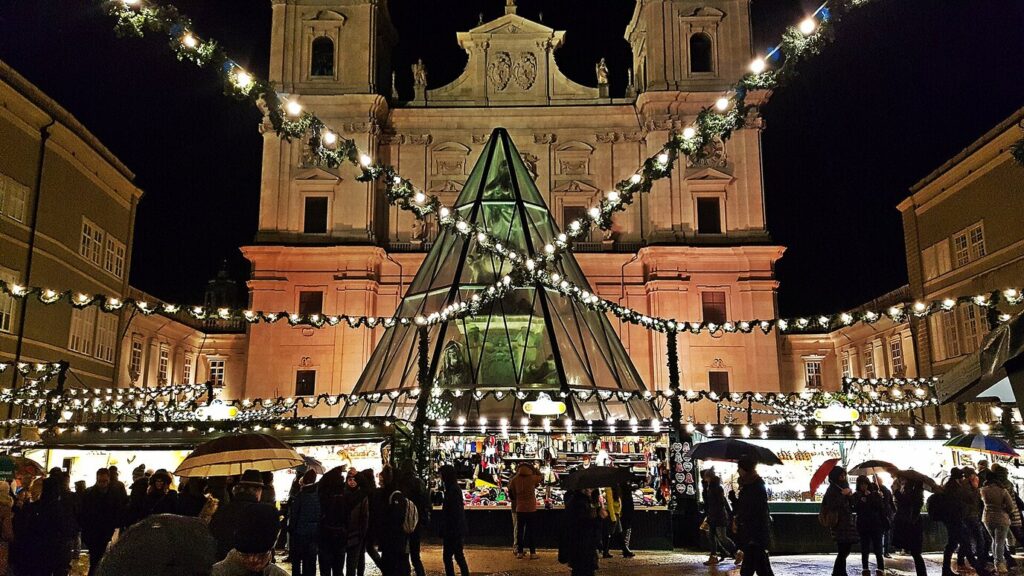
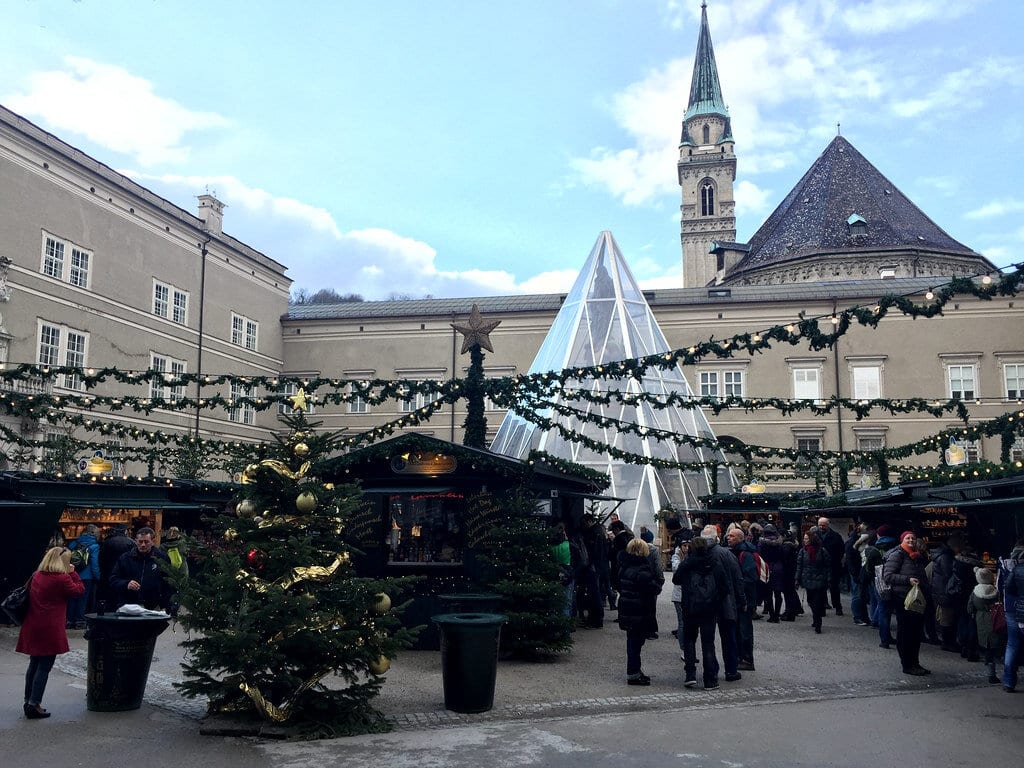
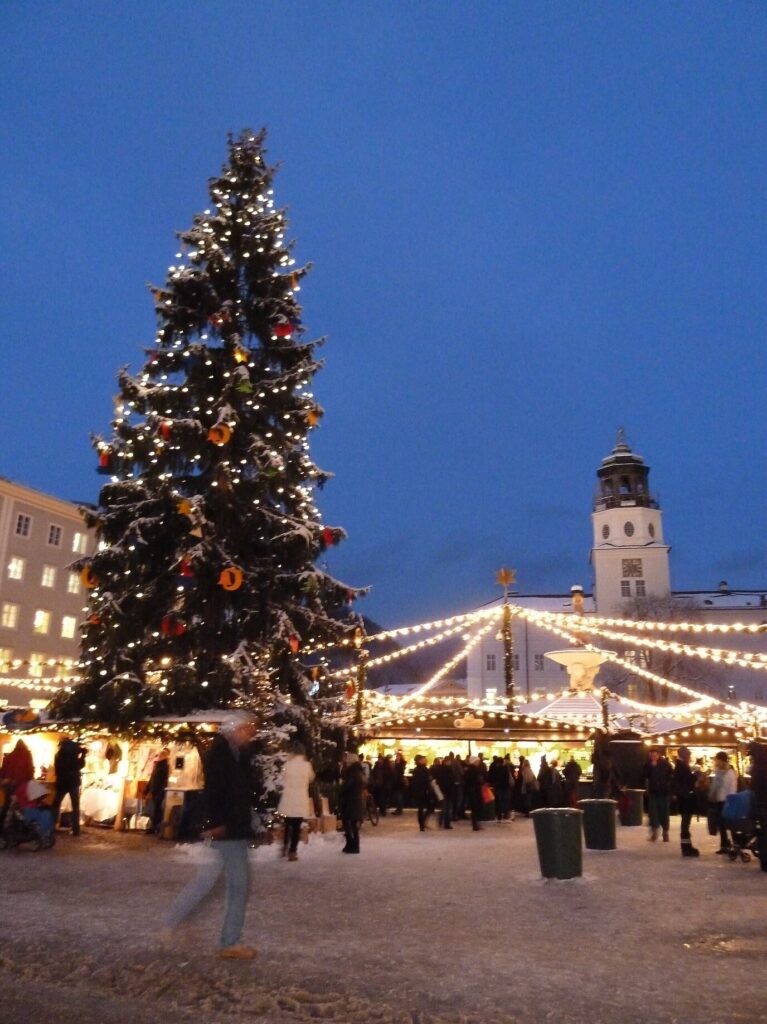
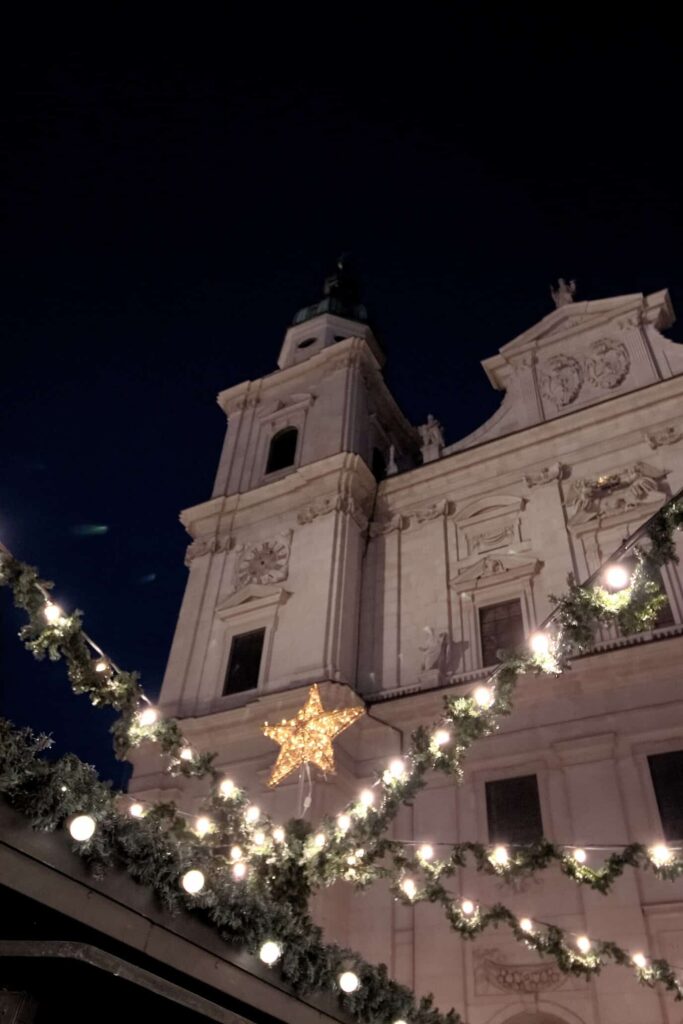
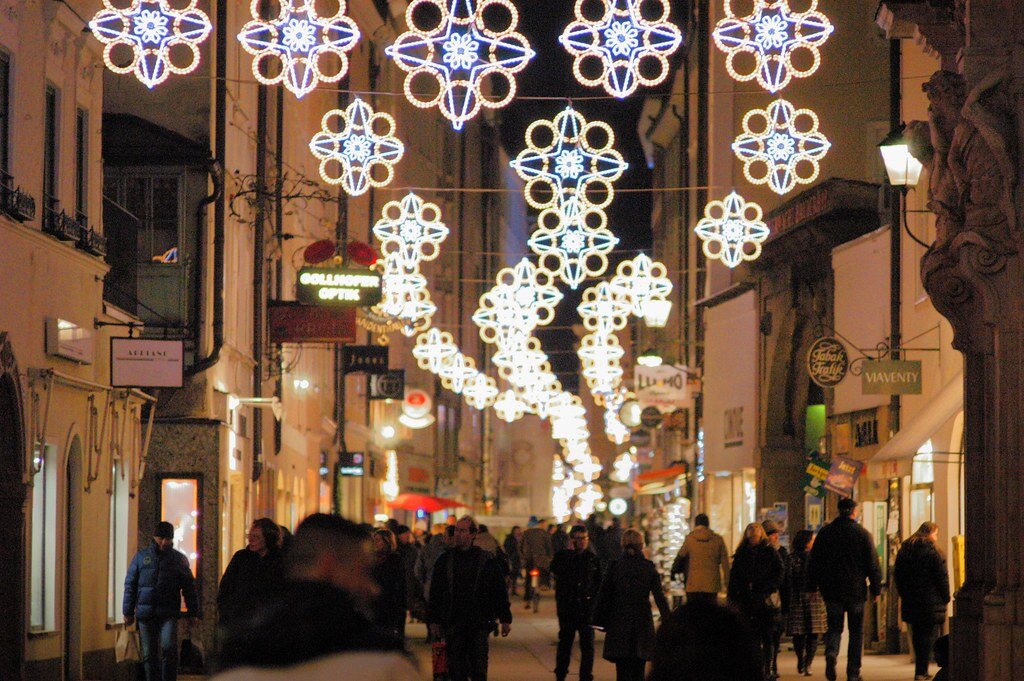
On Domplatz and Residenzplatz, between the Baroque cathedral and the archbishops’ palace, Salzburg Christmas market sets up its wooden chalets from late November. The old town, a UNESCO World Heritage Site, is the backdrop to this Christkindlmarkt, which has existed in its current form since 1974, heir to an older market held on the same square since the 15th century. Fairy lights, the scent of punch and gingerbread, carols and a brass band: the atmosphere is the one Mozart’s city offers its visitors every December, between Baroque façades and the cobbled lanes of the old town. The heights of Hohensalzburg Fortress, which overlooks the Altstadt from the Festungsberg, remain visible from both squares throughout the market.
Salzburg Christmas market, between Domplatz and Residenzplatz
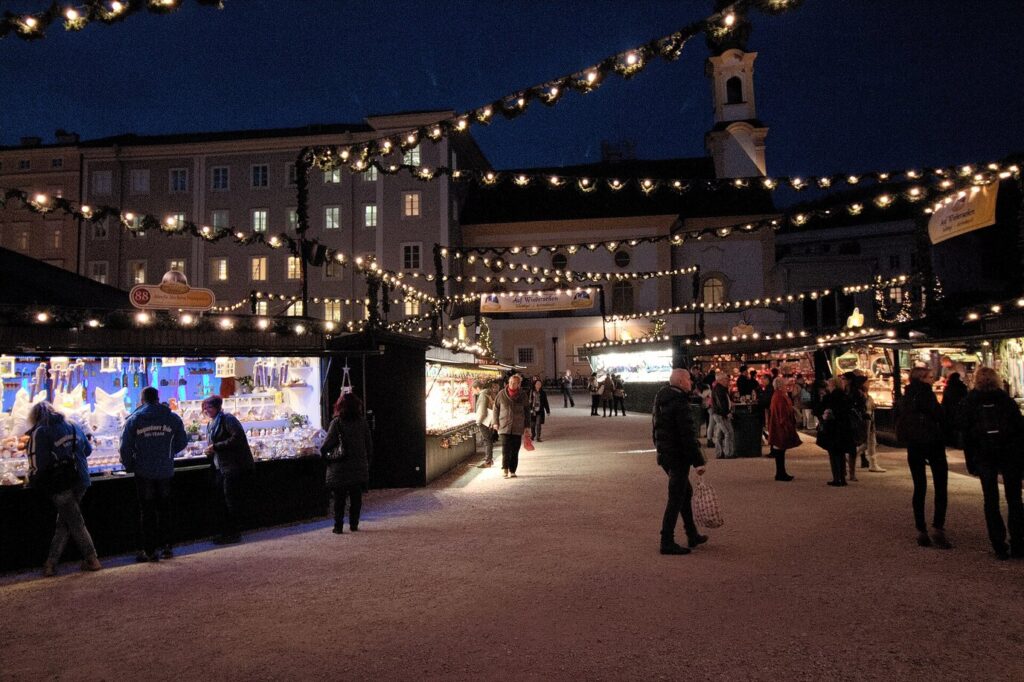
The main part of the market fills Domplatz, at the foot of the façade of Salzburg Cathedral (Salzburger Dom), and continues onto neighbouring Residenzplatz, in front of the former residence of the prince-archbishops. The two squares are linked by an archway, so visitors go from one to the other without leaving the chalets. According to the local tourist office, the market has around a hundred wooden stalls, a format that can be explored in an hour or two without difficulty, even with children who stop at every window.
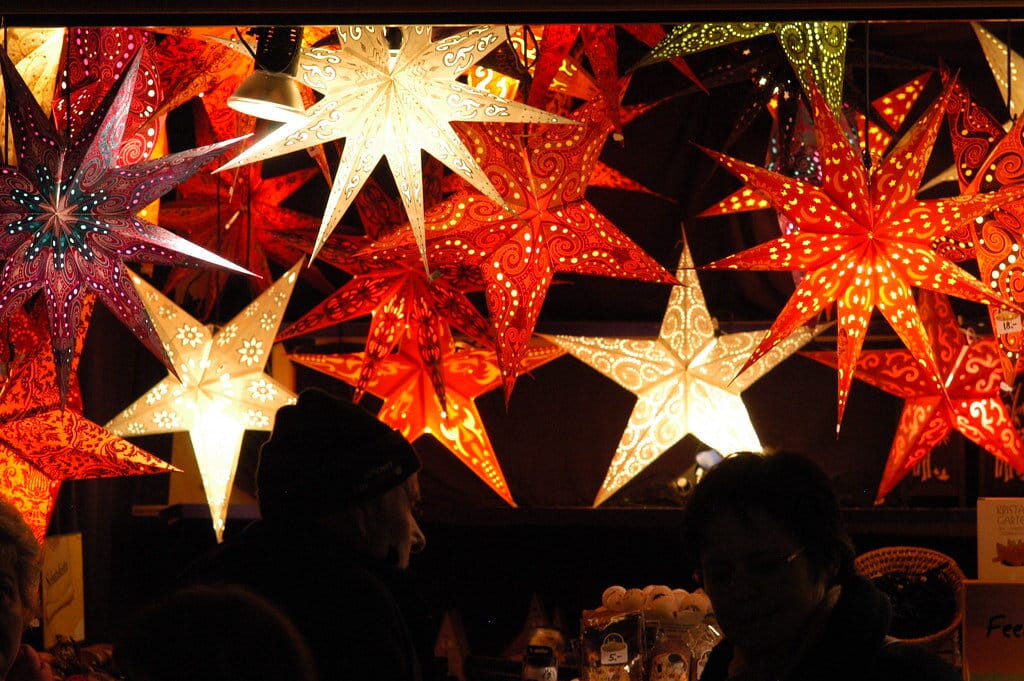
The event’s origins go back to the Tandlmarkt of the late 15th century, then to the Nikolaimarkt of the 17th century, dedicated to St Nicholas. Its current form has existed since 1974: the market celebrated its fiftieth anniversary in 2024. This continuity shows in the choice of exhibitors, who focus on crafts and traditional objects rather than bric-a-brac or generic goods. Tree decorations, turned-wood objects and incense to burn at home take up a good share of the stalls, alongside wooden toys for the youngest.
Other Christmas markets liven up the city and its surroundings at the same time, such as the one at Hellbrunn Palace, a little south of the centre. The one on Domplatz and Residenzplatz, however, concentrates most of the atmosphere right in the historic heart, not far from Mozart’s birthplace on Getreidegasse.
From the central station, Domplatz is about twenty minutes away on foot, or a few bus stops to the edge of the old town, as traffic is restricted in the historic centre. The horse-drawn carriages that usually wait on Residenzplatz give way to the chalets for the whole duration of the market, a sign of how much importance the city gives the event in December.
Punsch, Glühwein and Austrian specialities
The food stalls follow Austrian tradition: gingerbread (Lebkuchen), hot chestnuts, grilled sausages and mountain cheeses mingle with the scent of incense sold to perfume the home. For drinks, German Glühwein sits alongside Austrian Punsch, often laced with rum or flavoured with red berries, served in ceramic mugs that many visitors keep from one year to the next as a souvenir of the market.
The market also has regular fixtures: folk singing on Tuesday evenings, a traditional brass band from Wednesday to Saturday in the evening, and visits from the Christ Child, the Christkind, on Sunday afternoons. This figure takes the place of Father Christmas in Austrian tradition, where presents are linked to its arrival rather than to that of the Weihnachtsmann. On Wednesdays, readings for children about the Christkind round off the programme, with no registration needed.
Punsch mugs, in fact, have become a little ritual for some of the market’s regular visitors: each edition has a different design, and many keep theirs as a souvenir rather than reclaiming the deposit. The chalets devoted to tree decorations stay open at the same times as the rest of the market, leaving time to compare hand-blown glass baubles and wooden figures before making your choice.
A UNESCO World Heritage setting
Salzburg’s old town has been on the UNESCO World Heritage List since 1996, and Domplatz is one of its monumental hearts. The original Romanesque cathedral burned down in 1598; the new Baroque building, designed by architect Santino Solari, was consecrated in 1628, in the middle of the Thirty Years’ War. Its façade closes the square to the east, while the Residenz, the former residence of the prince-archbishops, lines its north and west sides. This architecture gives the market a setting packed with heritage, between Baroque domes and listed façades, shown off by the evening light.
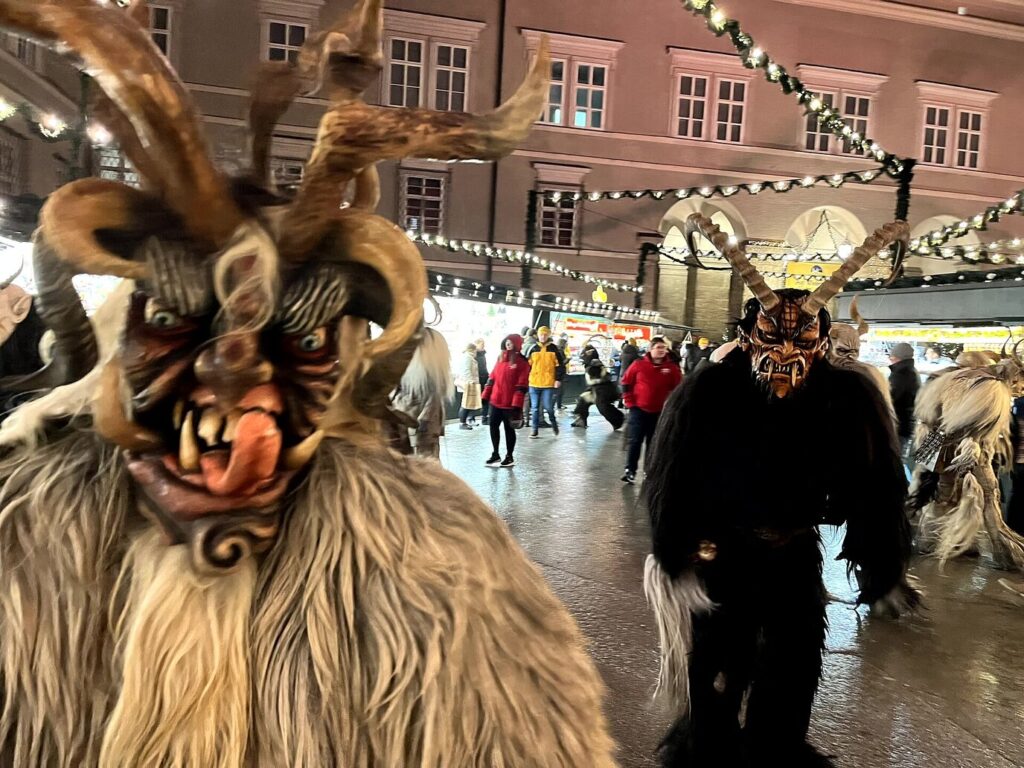
In early December, Krampus processions sometimes pass through the streets of the historic centre, around 5 and 6 December. This horned figure, who accompanies St Nicholas in Alpine folklore, is part of the region’s intangible heritage: a parade that impresses with its costumes and bells more than a show designed to frighten. It is a good idea to check local times before going with young children, as some processions can startle the little ones.
Practical information: opening hours, prices and accessibility
Salzburg Christmas market is free to enter, on both Domplatz and Residenzplatz. Opening hours are Monday to Thursday 10am-8.30pm, Friday 10am-9pm, Saturday 9am-9pm, and Sunday and public holidays 9am-8.30pm, with special hours on 24, 25, 26 and 31 December.
For 2026, the edition is announced from 19 November 2026 to 1 January 2027, according to the Salzburg tourist office. Both squares are cobbled and slightly sloping in places: no official information details specific facilities for people with reduced mobility, so it is best to check in advance if needed. Allow one to two hours to see everything, longer with a hot drink break and the evening concerts. The budget for food and souvenirs is around 10 to 25 euros per person, not counting bigger craft purchases.
On weekdays, in the morning or just after opening, the aisles leave more room to look at the displays and chat with the exhibitors. Late in the day, under the first lights of the chalets, the atmosphere gets livelier, carried by the music and the groups gathering around the hot drinks stalls. Both moments are worth the trip, depending on what you are after: calm for shopping, buzz for atmosphere.
Getting there from Paris and eastern France: train, plane and car
Salzburg can be reached from France by several routes. By train, take a Paris-Munich TGV or ICE, then change to an Austrian Railjet to Salzburg; the Munich-Salzburg section takes about an hour and a half. By air, there are flights from Paris to Salzburg Airport depending on the time of year, with a flight time of around two hours, plus possible connections depending on the airline and the season.
By car, the route runs through eastern France and then Germany via Munich, before crossing the Austrian border right at Salzburg. The drive takes a good day on the road from Paris, longer from the west of the country. The pedestrianised historic centre means leaving the car in car parks on the edge of the old town, a few minutes’ walk from Domplatz.
Another option goes through Switzerland: Zurich-Innsbruck by train, then Innsbruck-Salzburg by Railjet, a longer journey but handy for combining several Austrian markets in the same trip. Vienna, Innsbruck and Graz each hold their own Christkindlmarkt at the same time, so with a little time you can extend your trip east or into the Tyrol rather than heading home straight after Salzburg.
Salzburg’s Christkindlmarkt is part of a wider calendar of Christmas markets across German-speaking and Alpine Europe. A few ideas for extending your trip or comparing atmospheres:
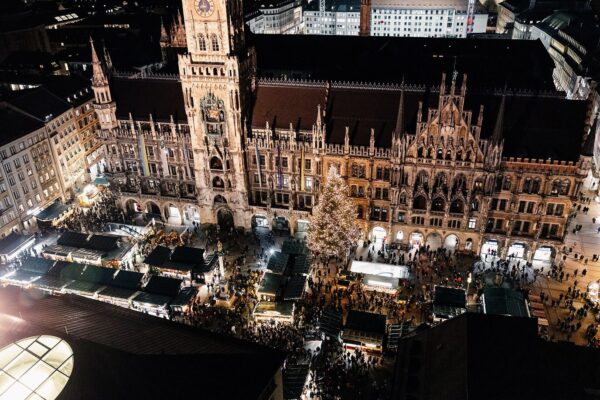
- Munich Christmas market, about an hour and a half away by train, with its own historic squares around Marienplatz.
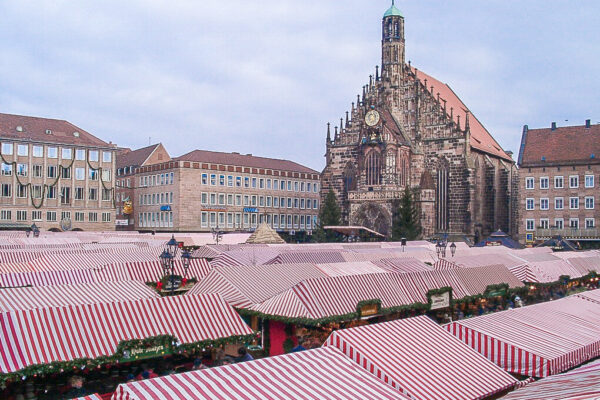
- Nuremberg Christmas market, one of Germany’s oldest Christmas events, reachable on the same Bavarian railway line.
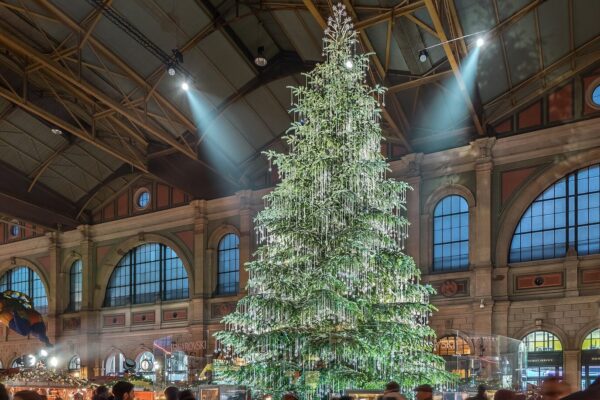
- Zurich Christmas market, the Swiss take on the genre, if you extend your trip westwards.
- A homemade mulled wine recipe to rediscover the flavours of Austrian Punsch between trips.
Our tip
The first week after opening, around 19 November, lets you see the chalets freshly set up and the displays still untouched.
Reviewed and approved by the editorial team
Checked on against 2 official sources. Detailed sources available on request.
A question, a mistake or a problem on this page? Write to us
Markets nearby
 Opens in 42 days
Munich Christmas Market
Munich
From 20 November to 24 December 2026
Worth the weekend
 Opens in 41 days
Zurich Christmas Market
Zurich
From 19 November to 24 December 2026
Worth the weekend
 Opens in 49 days
Nuremberg Christmas Market
Nuremberg
From 27 November to 24 December 2026
Worth the trip
Activities nearby
Parks and sites running a Christmas programme less than an hour's drive away. They aren't Christmas markets, and admission is charged.
 Opens in 50 days
Park
Opens in 50 days
Park
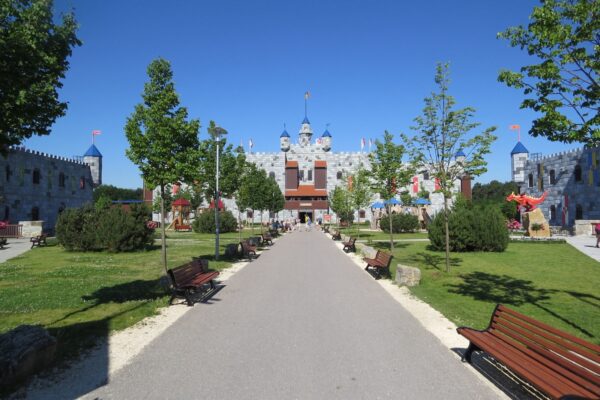
LEGOLAND Deutschland at Christmas
Günzburg
From 28 November to 10 January 2027
Day out · Park
 Dates to be confirmed
Park
Dates to be confirmed
Park
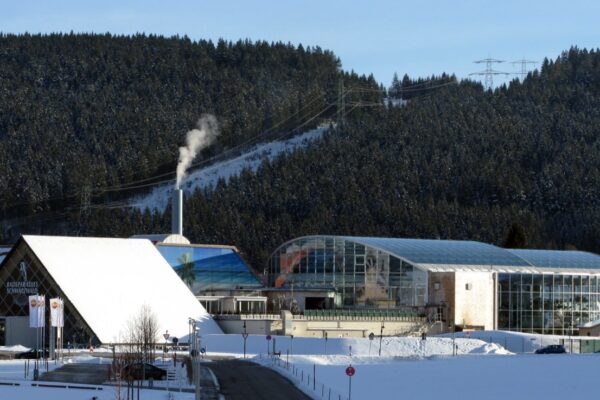
Badeparadies Schwarzwald at Christmas: relaxing in the Black Forest
Titisee-Neustadt
Day out · Park
 Opens in 50 days
Park
Opens in 50 days
Park
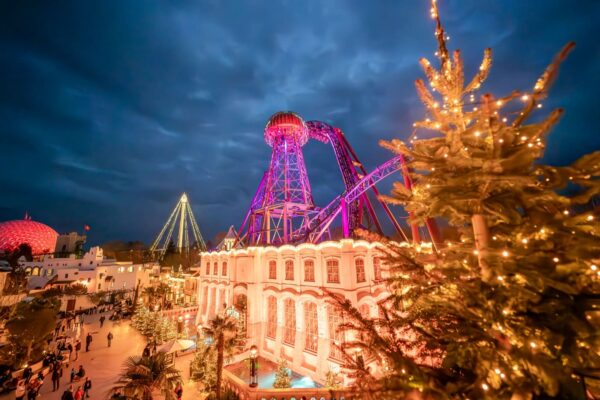
Europa-Park at Christmas: Winterzauber
Rust
From 28 November to 9 January 2027
Worth the trip · Park