
Where to find Soissons Christmas Market
Highlights of Soissons Christmas Market
- Ice rink set up at the heart of the Christmas village, open throughout the festivities
- The twin-spired façade of Saint-Jean-des-Vignes abbey, a peak of Flamboyant Gothic, five minutes' walk away
- Specialities of the Aisne: PGI Soissons bean, maroilles tart, leek flamiche
- Carriage rides, Santa's house and concerts including a gospel one
- A town of Merovingian history, Frankish capital and home of the vase of Soissons legend
Where to stay near Soissons Christmas Market
Hotels, flats and rooms around the market, for the dates of your stay.
Check availability with our partners
Specialities to try
The flavours that make this market what it is
-
PGI Soissons bean Soissons bean
-
maroilles tart leek flamiche Flamiche
-
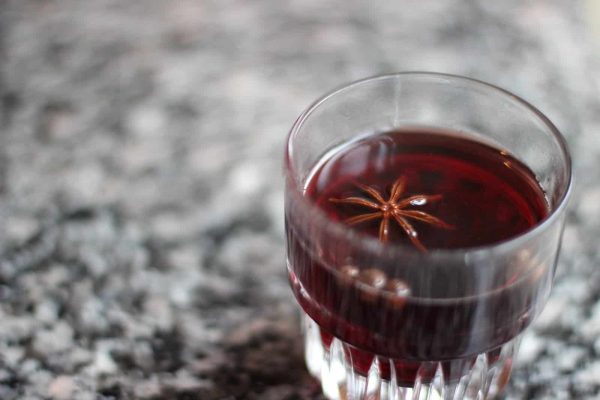
Mulled wine
-
 champagnes from the south of the Aisne Champagne
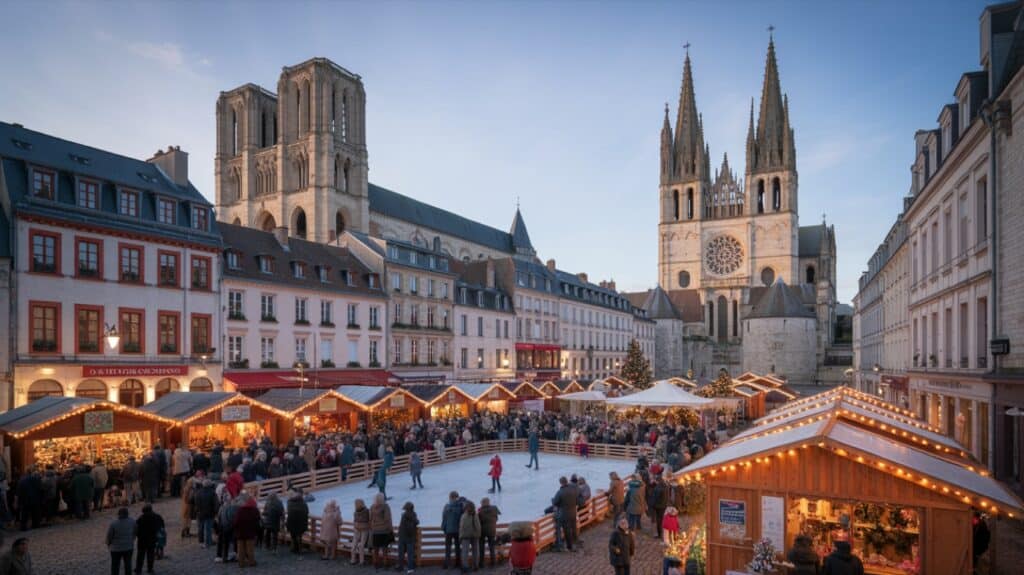
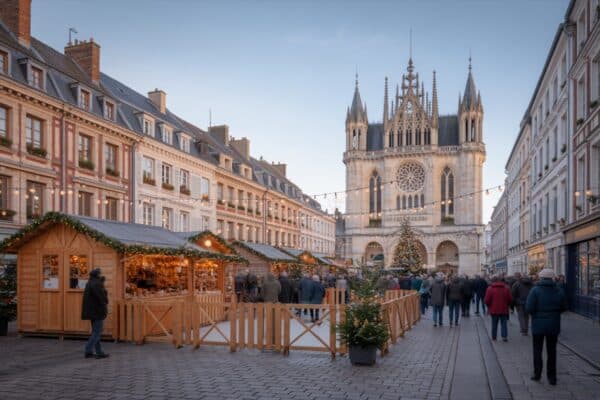
Behind the apse of the cathedral of Saint-Gervais-Saint-Protais, on Place Fernand Marquigny, the Soissons Christmas market turns the heart of this former capital of the Frankish kings into a festive village. Wooden chalets, a frosted ice rink and strings of lights draw a warm interlude in a town where the Aisne flows between Gothic remains. People come as much for the smell of mulled wine as for the setting: a town in the Aisne loaded with fifteen centuries of history, where Clovis settled after Tournai.
The Soissons Christmas market, at the foot of the cathedral
Place Fernand Marquigny sits in the historic centre, backing onto the 12th-century cathedral that houses a painting by Rubens, the Adoration of the Shepherds. The chalets are arranged around the ice rink, in place for the whole run of the festivities. Ice holds a particular place in the Soissons programme: DJ nights on the rink, sessions open to families, and the feel of a village where you circle between two mulled wines. The rink stays up for more than a month, which leaves time to come back on a weekday evening, when the ice empties out and the lights gain in intensity.
The town dresses the whole area with its “Soissons en lumières” Christmas edition, which extends the walk well beyond the chalets. Horse-drawn carriages, Santa's house, a play area, Christmas teas and concerts, including a gospel one: the programme mixes free entertainment with one-off events. The 2025 edition launched the festivities on 28 November at 7pm with the switching on of the decorations and the opening of the ice rink, set to music. The format stays compact, which suits families well: you go round without rushing, the children keep an eye on Santa's house while the parents move from one food chalet to the next.
What you eat and drink there
The food chalets draw on the produce of the Aisne and the Hauts-de-France. Maroilles tart, made with that powerful northern cheese, sits alongside flamiche, a generous and comforting leek tart. Add a hot waffle and a bag of roast chestnuts, and you have the standard teatime of a December afternoon on the square.
Soissons has above all its vegetable emblem: the Soissons bean, a large flat white bean that makes the local culinary reputation. From the species Phaseolus coccineus, brought from Central America and acclimatised in the Aisne valley in the 18th century under Louis XV, it made its way onto Parisian tables. Since 2023 it has carried a Protected Geographical Indication that limits its growing area to around sixty communes near the town. Everything is done by hand, from staking to harvesting the dry pods, which explains its reputation and its price. In winter you find it simmered in a cassoulet or melting into a generous soup, sometimes lifted with a drizzle of walnut oil. A producer or a local brotherhood regularly keeps a chalet at the market, a chance to leave with a bag of dried beans to cook when you get back. And since the south of the department borders the Champagne region, a few champagne growers from the Aisne often fill out what the chalets offer. For mulled wine, the classic recipe remains the safe bet on cold evenings: before making it at home, have a look at our article on mulled wine and its variations.
- PGI Soissons bean: the large emblematic white bean, grown by hand, in a simmered dish or a generous soup.
- Maroilles tart and leek flamiche, two savoury classics of the Hauts-de-France.
- Mulled wine and craft beer from the Aisne, to warm up between two turns on the ice rink.
- A few champagnes from the south of the department, since Champagne spills over into the Aisne.
Soissons, forgotten capital of the Frankish kings
You cannot cross Soissons without meeting its past. In 486, Clovis defeated Syagrius there, the last representative of Roman power in Gaul, and made the town his capital. Under Clotaire I, Soissons even became the seat of Neustria, one of the kingdoms born of the Frankish partition. It is from that footing that the legend of the vase of Soissons comes: a warrior smashes the liturgical object the bishop was asking for, before the king settles the score the following year. A schoolbook anecdote, rooted here in the stone. The town's name long stood for a whole territory as well: through the Frankish partitions, several kings laid claim to a “kingdom of Soissons”, well before Paris established itself as the centre of power. That historical depth gives the market its singular setting, between old stone and December lights.
The town keeps two major monuments for this December weekend. The cathedral of Saint-Gervais-Saint-Protais, Gothic and set on the plain, watches over the market square with the south arm of its transept among the oldest parts of the building. At the other end of the centre, the abbey of Saint-Jean-des-Vignes holds the real visual shock. Between the two, the Aisne traces its line of water, with pleasant quays to follow as the light fades.
Saint-Jean-des-Vignes abbey, a façade that plays at cathedrals
Founded in 1076 by Hugues le Blanc, the abbey of Saint-Jean-des-Vignes was among the richest of the Middle Ages. Rebuilt in Gothic style in the 13th century, it received in the 15th and 16th centuries its two façade towers, 75 and 80 metres tall, crowned with the openwork spires typical of Flamboyant Gothic. Three portals, a large rose window and those slender spires give the façade the air of a cathedral, which still surprises visitors.
The abbey church, though, was dismantled under the First Empire, its destruction confirmed by Napoleon in 1805, the stones going to repair other monuments in the town. All that remains today is that intact façade, standing above the roofs, along with the monks' refectory, the cloister and the outbuildings that now house exhibition rooms and the tourist office. The carved decoration, a profusion of plants and animals running across the portals, deserves a close look. Lit up after dark, the façade takes on a theatrical dimension: this is the detour not to miss after a turn on the ice rink, five minutes' walk from the square. In December, the contrast between the illuminated pale stone and the black sky sums up rather well what makes Soissons endearing.
Soissons is not to be confused with its neighbours in the Aisne. Laon, with its perched upper town and its five-towered cathedral, plays another tune; Château-Thierry cultivates the memory of La Fontaine. Soissons banks on its Merovingian roots and on that pairing of cathedral and abbey, beside the river.
Practical details and access
The market is held on Place Fernand Marquigny, right in the centre, a few minutes' walk from the station. Soissons is connected by train to Paris (Gare du Nord) and to Laon, with no change of train from the capital. By car, the town is reached on the N2 from Paris or from Reims via the RN31. Parking in the centre stays manageable on weekdays and gets tighter on December weekends: aim for the outer car parks and finish on foot if you come on a Saturday afternoon.
Entry to the market is free; the ice rink and some activities may be charged. As the site is flat and central, access remains easy for anyone with reduced mobility. Allow one to two hours to go round the chalets, more if you add a skating session and a detour to Saint-Jean-des-Vignes abbey. A budget of 10 to 25 euros per person comfortably covers a waffle, a mulled wine and a turn on the ice.
As for the 2026 dates, nothing has been officially confirmed at this stage: the previous edition ran from 28 November to 1 January, a long calendar that stands a good chance of being repeated, but check with the town before setting your weekend.
What to combine nearby
Soissons lends itself well to a trip around the Aisne and the neighbouring Marne. The Laon Christmas market takes you into the perched medieval city, less than half an hour's drive away. To the west, the Compiègne Christmas market adds the imperial setting of its palace and its forest. And for a major Champagne gathering, the Reims Christmas market spreads hundreds of chalets at the foot of the coronation cathedral, barely an hour from Soissons.
Our tip
Keep an hour for the ice rink, then go and see the twin-spired façade of Saint-Jean-des-Vignes abbey, superb once it is lit up.
Reviewed and approved by the editorial team
Information checked against 6 official sources. Detailed sources available on request.
A question, a mistake or a problem on this page? Write to us
Markets nearby
Activities nearby
Parks and sites running a Christmas programme less than an hour's drive away. They aren't Christmas markets, and admission is charged.
 Opens on 19 December
Park
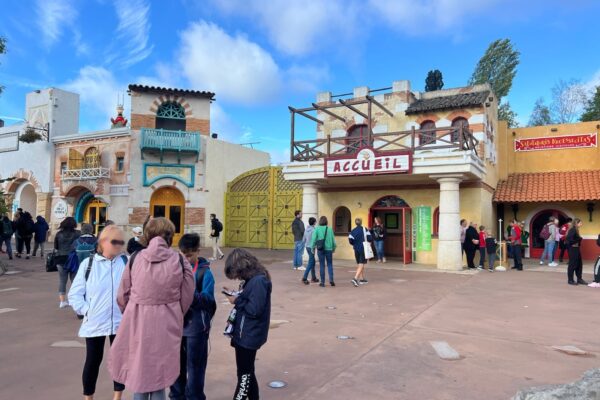
Parc Astérix at Christmas: Noël Gaulois
Plailly
From 19 December to 3 January 2027
Worth the weekend · Park
 Opens on 7 November
Park
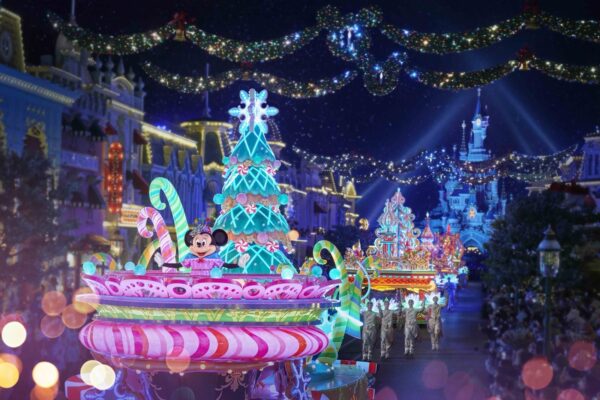
Disneyland Paris at Christmas: Disney Enchanted Christmas
Chessy
From 7 November to 6 January 2027
Worth the trip · Park
 Dates to be confirmed
Park
Jardin d'Acclimatation at Christmas
Paris
Day out · Park