
Where to find Saint-Quentin Christmas Market
Highlights of Saint-Quentin Christmas Market
- Art Deco setting and flamboyant Gothic town hall with carillon as a backdrop
- 38 chalets of artisans and designers (2025 edition)
- Real ice rink, toboggan run and small wheel, all free to use
- Father Christmas House and its automatons until 24 December
- Video mapping on the basilica and fairy-tale parades at weekends
Where to stay near Saint-Quentin Christmas Market
Hotels, flats and rooms around the market, for the dates of your stay.
Check availability with our partners
Saint-Quentin Christmas Market in pictures
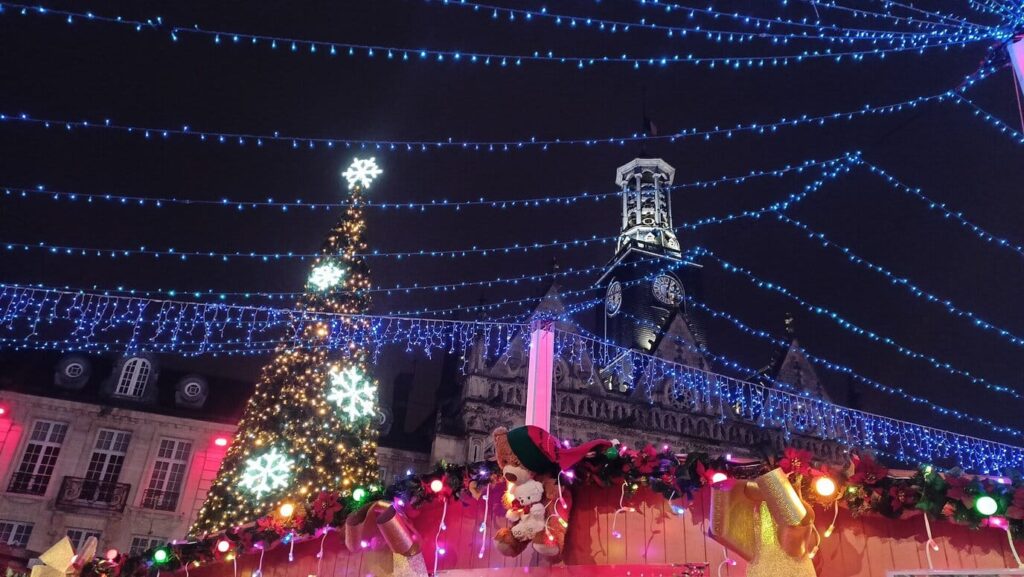
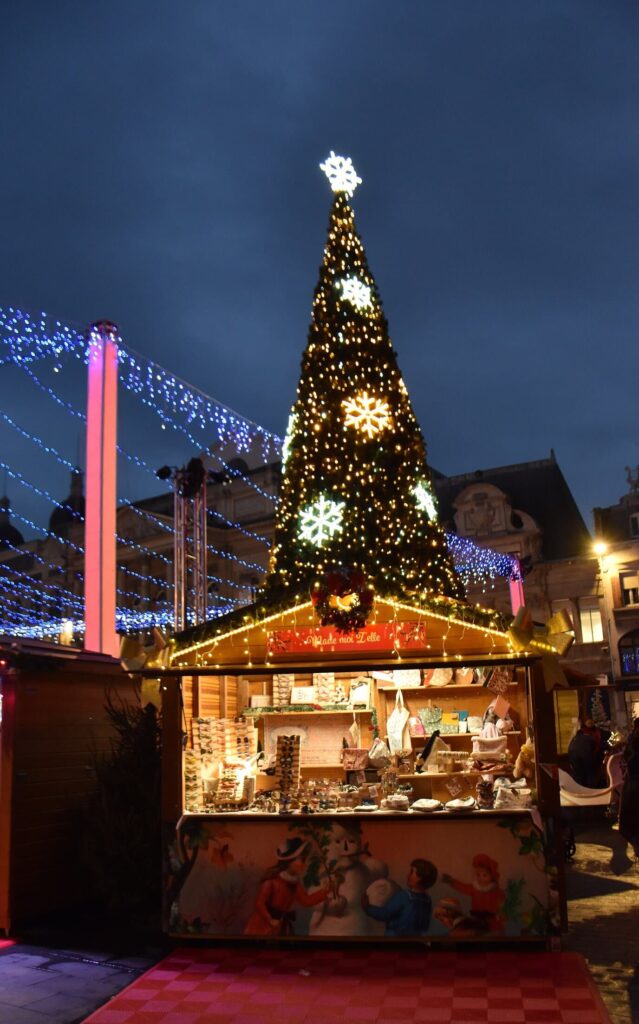
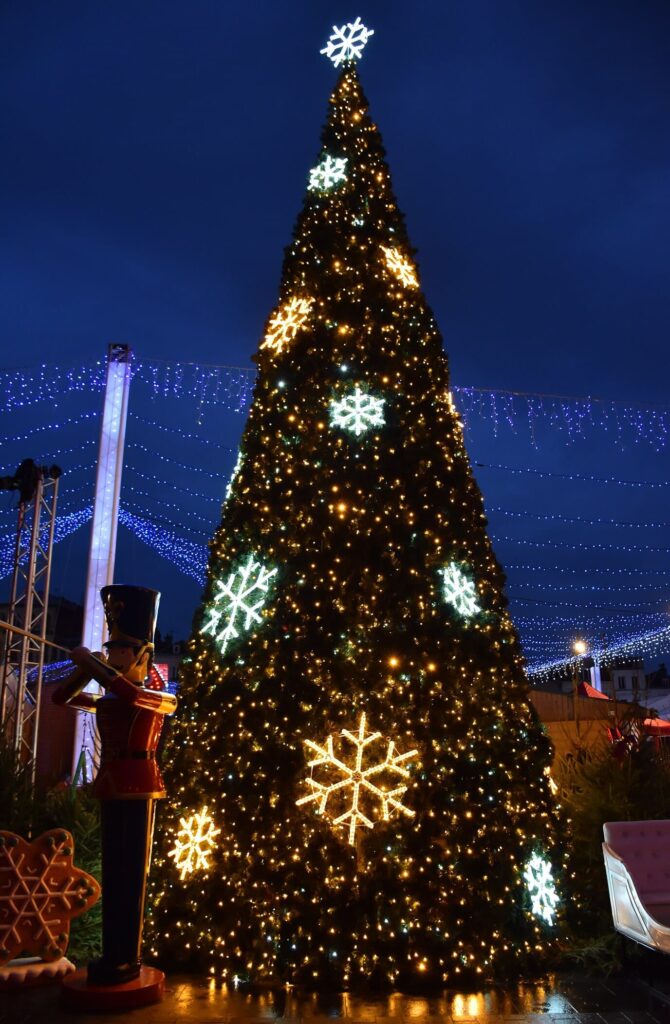
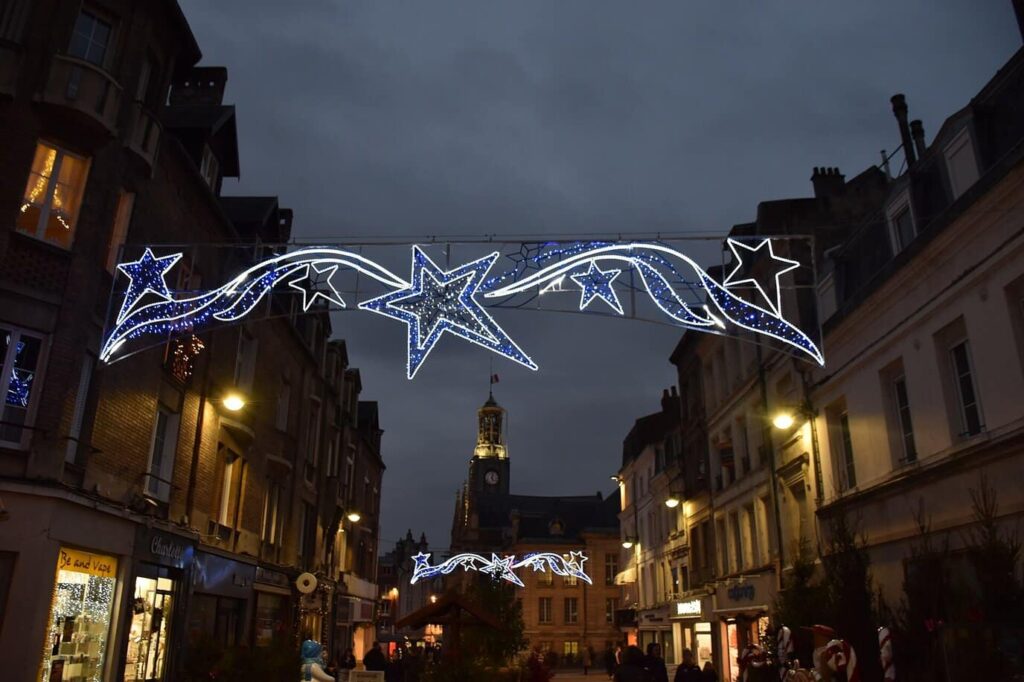
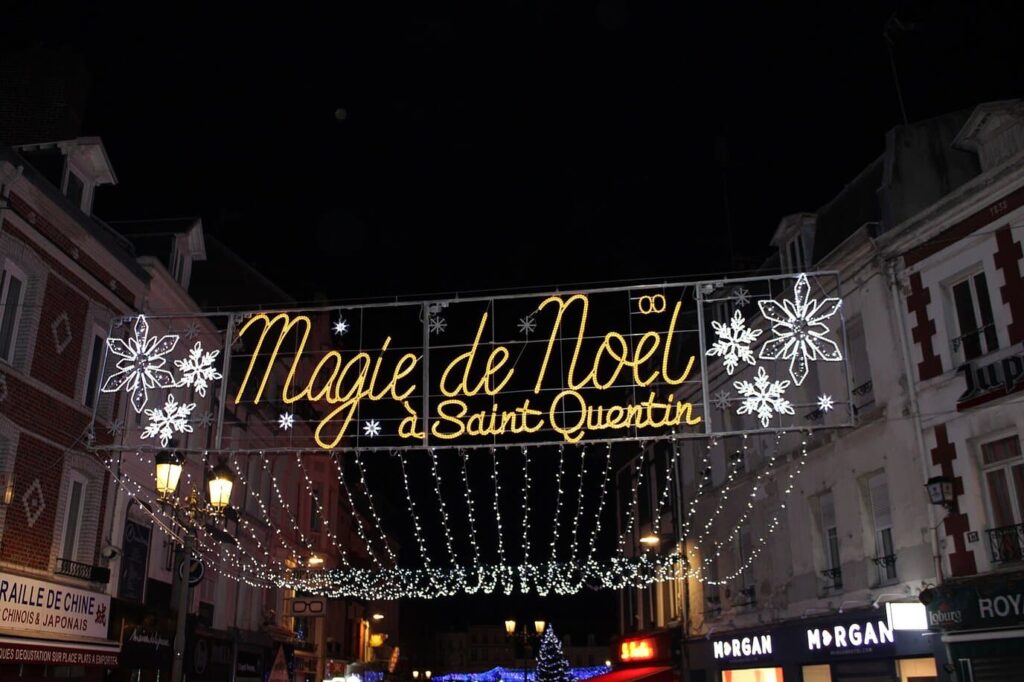
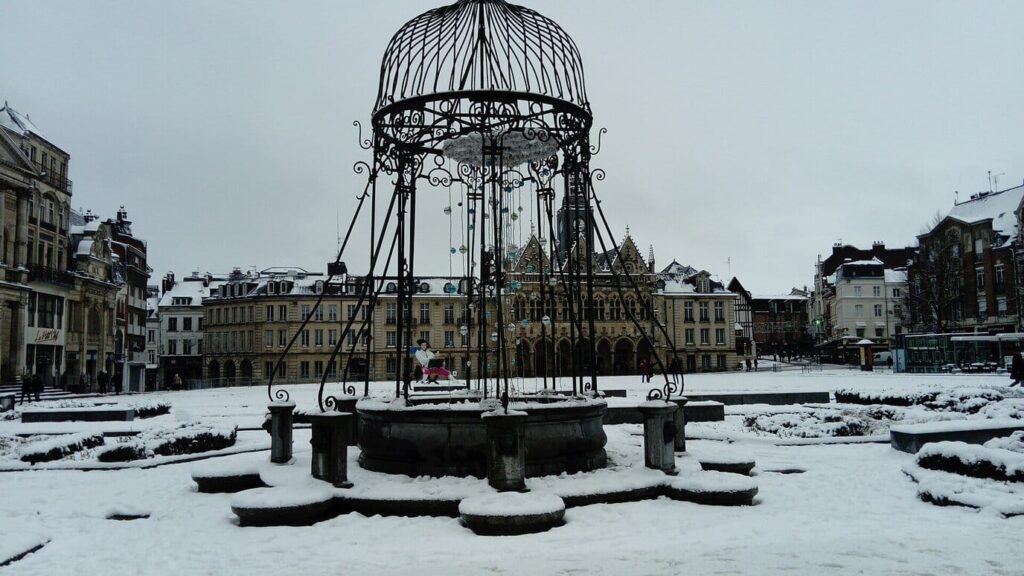
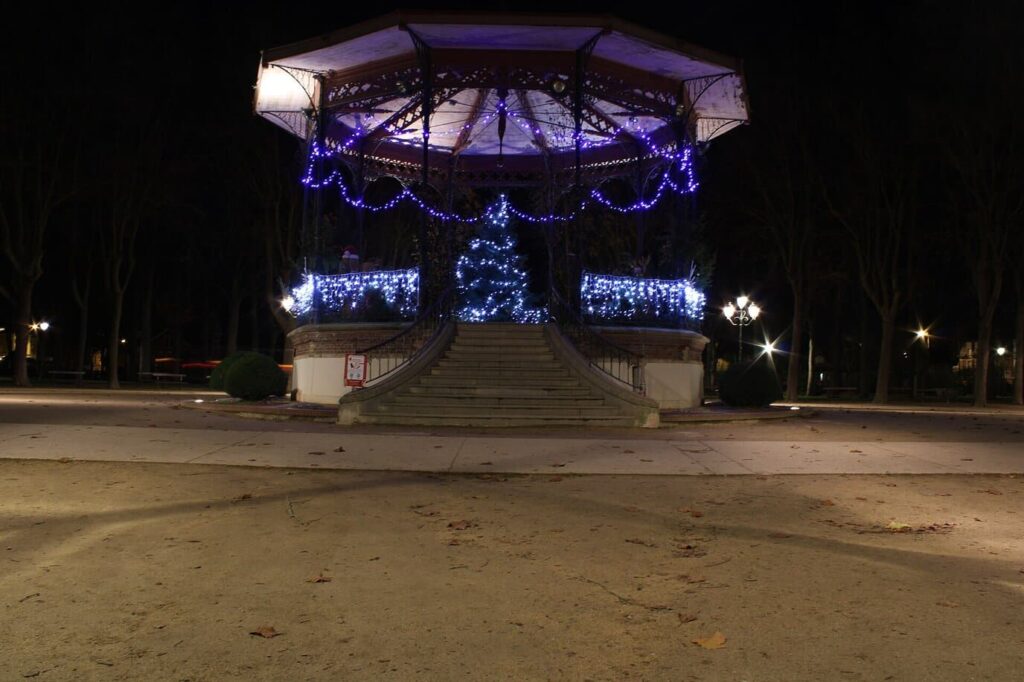
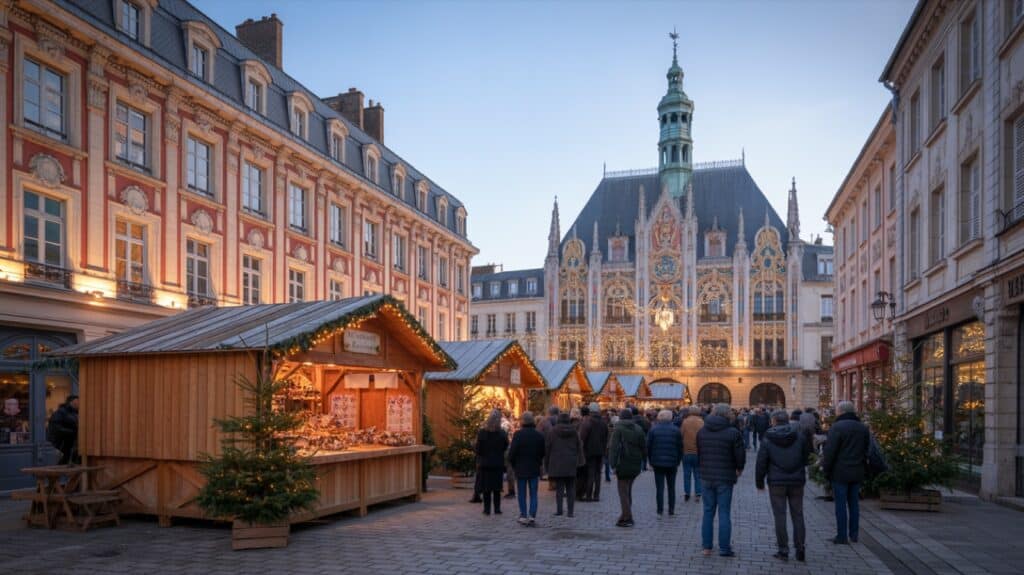
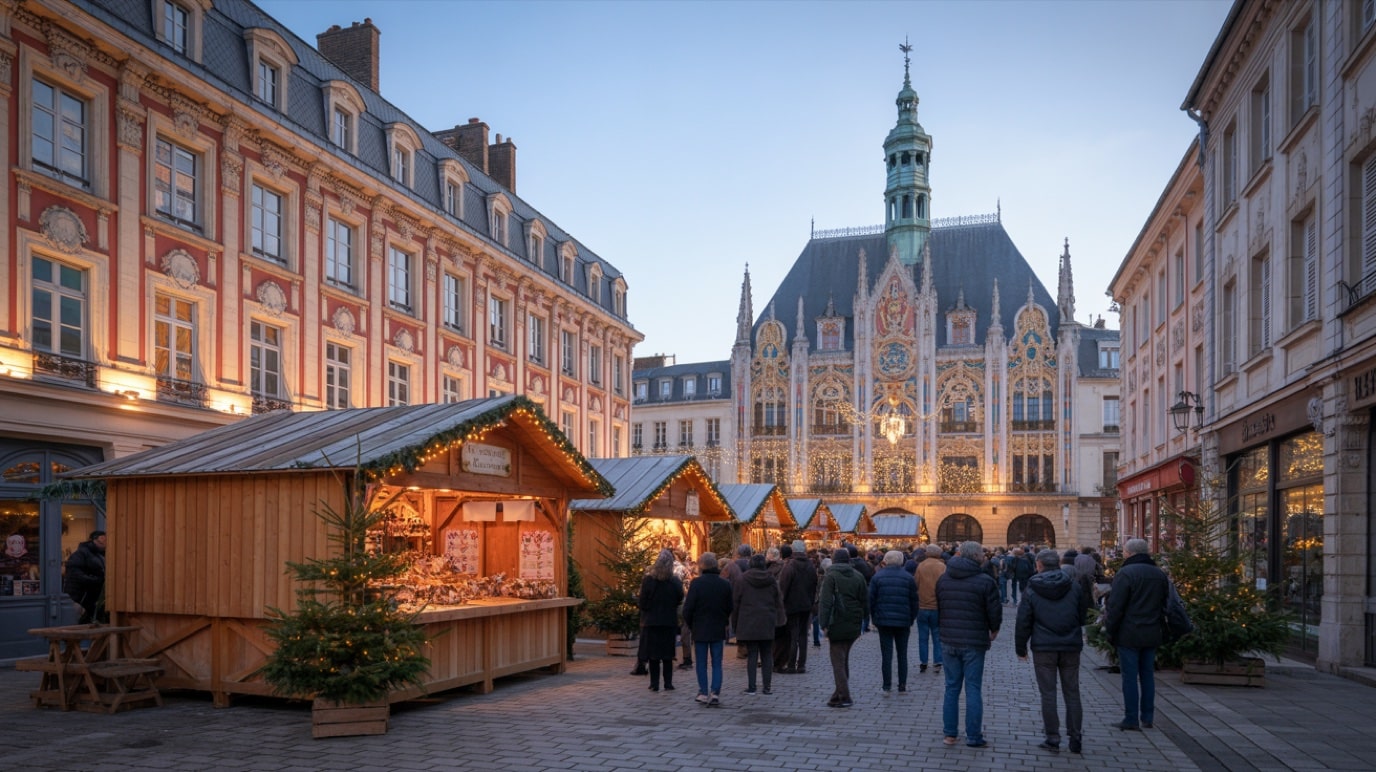
On Place de l'Hôtel de Ville, beneath the Art Deco façades and the flamboyant Gothic town hall with its carillon, Saint-Quentin Christmas market sets up its Christmas Village for around four weeks, from late November to the end of December. The town, rebuilt after the destruction of 1918, gave itself a setting of pale stone and geometric mosaics that looks rather fine under the garlands. The event brings together craft chalets, a Father Christmas House and weekend parades. People come to buy their presents, drink a mulled wine at the foot of the town hall and let the children loose on the ice rink.
A Christmas village at the foot of the belfry
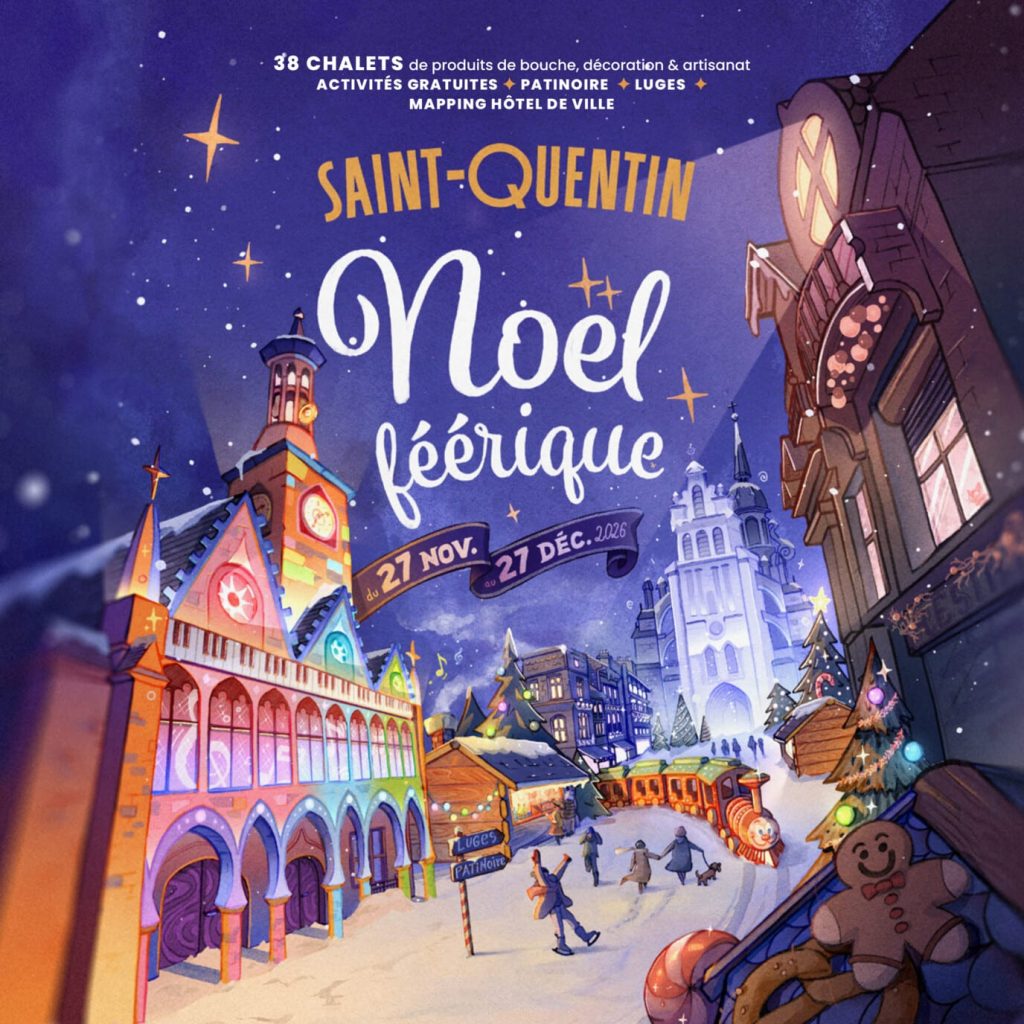
In 2026, the chalets set up on Rue Saint-André and on the square in front of the basilica, while Place de l’Hôtel de Ville hosts the glowing bubble decorations and the mapping show. In 2025, the 31st edition lined up 38 chalets of artisans and designers. You go from a turned-wood stall to a jewellery booth, you chat with the confectioner, and you leave with a present idea rather than a mass-produced object.
The setting counts for a great deal. The town hall, with its flamboyant Gothic façade and its carillon, acts as a backdrop to the chalets. The square, one of the finest in northern France, suits this kind of staging: the garlands pick out the arcades, and the Art Deco mosaics catch the light of the lanterns. Saint-Quentin has made its 1920s reconstruction an architectural signature, and the Christmas village makes the most of it without overdoing things.
A little further on, the basilica hosts a nightly video mapping show that dresses its stone in moving light, generally from mid-December to early January, as soon as daylight fades. The town, birthplace of the pastel painter Maurice Quentin de La Tour, keeps that taste for portraiture and detail right down to its festive decorations. Plan a pause in front of the façade as the projections begin: that is when the centre looks at its most magical.
Treats from Picardy and the Aisne
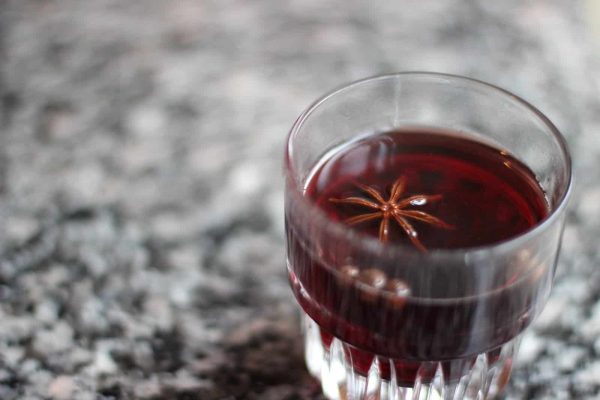
The food square and the old-fashioned tavern hold most of the eating and drinking. You can have a mulled wine or a cider there, and taste simple warming things between two aisles: soupe au caillou, pain perdu, hot chocolate for the youngest. Saint-Quentin has its own sweet signature, the macaron de Saint-Quentin, a soft little almond biscuit, and the region adds its Picardy and Aisne classics.
- The macaron de Saint-Quentin, soft and scented with almond, the emblematic sweet of the town, worth taking home in a box for the holidays.
- The ficelle picarde, that savoury pancake rolled around ham, mushrooms and béchamel, usually served hot and browned.
- Tarte au sucre and bêtises sweets, to finish on a sweet note typical of the north of France and Picardy.
- A glass of cider or mulled wine to keep going in the Aisne cold.
- Poultry and farm produce from the Aisne, worth spotting on the producers' stalls for the festive meal.
Nothing complicated about this market cooking, but honest flavours that suit the climate. A cone of churros or a slice of tarte au sucre between two purchases, and you set off warmed up for the evening round.
Entertainment, ice rink and parades at Saint-Quentin Christmas market
The programme is a full one, and mostly free. The Father Christmas House and its automatons welcome children until 24 December, with Father Christmas himself there for the souvenir photo. Around it, a real ice rink, toboggan runs and a small wheel keep families busy without pushing up the bill: only the Sapins carousel is paid for. That is one of the strengths of the Saint-Quentin Christmas village: most of the children's activities cost nothing, which changes the way you spend the afternoon.
Every weekend, a fairy-tale parade crosses the village in the late afternoon, with scenes that change from one week to the next: the white parade, the ball of the swans, the Christmas locomotive. Costumes, stilt walkers, music: the procession usually sets off around 5.30pm and is worth seeing if you like street theatre. Combined with the mapping show on the basilica, it makes a proper festive evening without ever having to leave the square.
The town, which organises the village (events department), announces the 32nd edition from 27 November to 27 December 2026, for an event created in 1995. The chalets open Sunday to Thursday from 2.30pm to 7.30pm, and on Fridays and Saturdays from 2.30pm to 9pm. In 2025, the village was open from 2.30pm to 7.30pm Monday to Thursday and until 8.30pm Friday to Sunday, and the Father Christmas House closed on the evening of the 24th.
Art Deco heritage around the village
Saint-Quentin is one of the great Art Deco towns of France, alongside a handful of cities rebuilt after 1918. The war flattened a good part of the centre, and the reconstruction of the 1920s left a coherent ensemble of geometric façades, ironwork and coloured mosaics. At Christmas this setting takes on another dimension: the lit-up shop windows and the garlands pick out details you would not necessarily notice the rest of the year.
The Antoine Lécuyer museum holds the finest collection of pastels by Maurice Quentin de La Tour, the local boy who painted the court of Louis XV. Visit in the warm between two turns of the market and you will come out with a different eye for the love of detail that runs through the town. The basilica, for its part, deserves a look upwards: its labyrinth paved into the floor and the height of its nave are a surprise when you walk in from the bustling square.
For a breath of air, the Grand Marais d'Isle stretches along the edge of the centre, a wetland nature reserve rare in the middle of a town. Even in winter, the walk along the boardwalks has real character, with its frosted reed beds and water birds. A good way to break up the day between the morning shopping and the evening lights.
Getting there and extending the visit
Saint-Quentin is easy to reach by train from Paris-Nord, allow around an hour and a half, with the Art Deco station some ten minutes' walk from Place de l'Hôtel de Ville. By car, the A26 serves the town, with parking in the centre and close to the village. The site is flat and accessible to pushchairs and wheelchairs alike, which makes a family visit simpler.
As for planning, half a day is enough to go round the chalets without rushing, but if you want to catch a parade and the evening mapping show, it is better to stay into the evening. December weekends are the liveliest, with processions and shows, and therefore a little busier on the square. A weekday visit makes for a quieter time if you would rather linger at the craft stalls.
If you are putting together a weekend of markets in the Hauts-de-France, the town pairs well with the Amiens Christmas market and its cathedral, the Cambrai Christmas market close by in the Nord, or the Compiègne Christmas market over towards the Oise. Enough to string several moods together over two days on the road.
Specialities to try
The flavours that make this market what it is
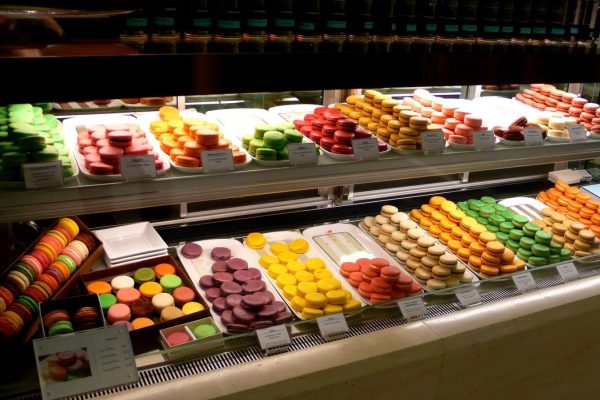
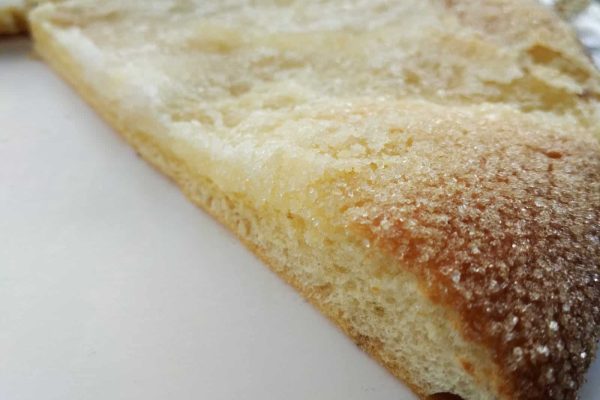
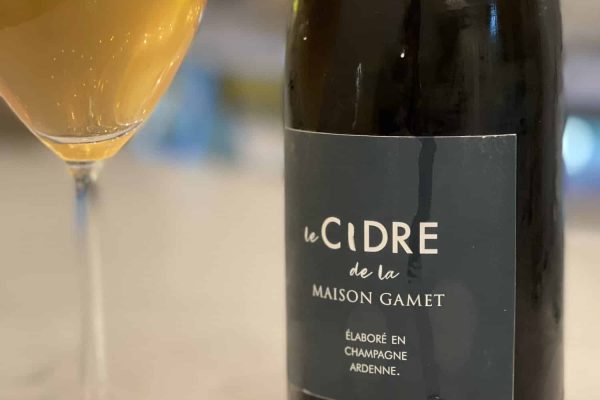
Also: Ficelle picarde, Bêtises, Aisne poultry
Our tip
Come in the late afternoon at a weekend to catch a parade and the mapping show on the basilica, then wander the Art Deco quarter before heading home.
Reviewed and approved by the editorial team
Checked on against 3 official sources. Detailed sources available on request.
A question, a mistake or a problem on this page? Write to us
Markets nearby
 Open · until 30 Dec
Amiens Christmas Market
Amiens
From 20 November to 30 December 2026
Worth the weekend
 Open · until 27 Dec
Cambrai Christmas Market
Cambrai
From 27 November to 27 December 2026
Day out
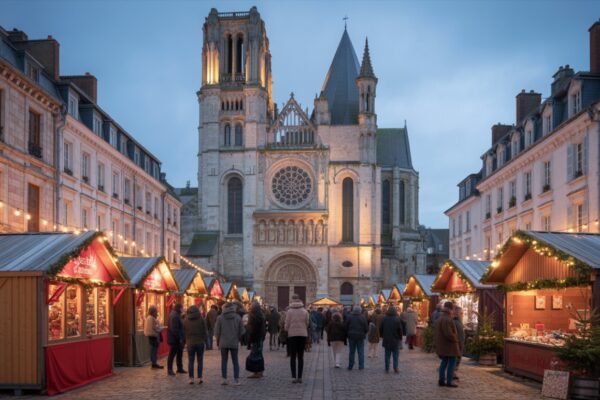 Opens on 5 December
Laon Christmas Market
Laon
From 5 to 23 December 2026
Local favourite
Activities nearby
Parks and sites running a Christmas programme less than an hour's drive away. They aren't Christmas markets, and admission is charged.
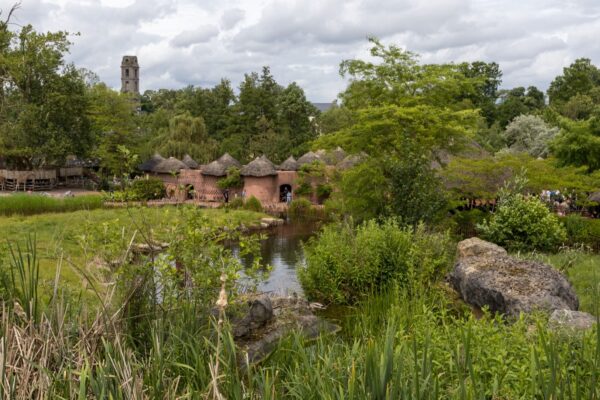 Open · until 17 Jan
Park
Pairi Daiza at Christmas: Christmas Time
Brugelette
From 21 November to 17 January 2027
Worth the weekend · Park
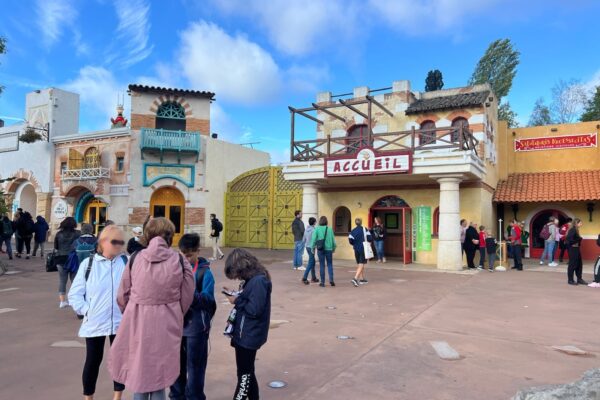 Opens on 19 December
Park
Parc Astérix at Christmas: Noël Gaulois
Plailly
From 19 December to 3 January 2027
Worth the weekend · Park
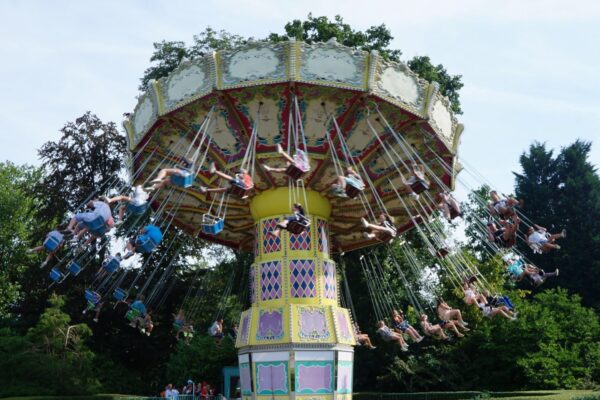 Opens on 5 December
Park
Bellewaerde at Christmas: the park near Ypres for the festive season
Ypres
From 5 December to 3 January 2027
Day out · Park