
Where to find Graz Christmas Market
Highlights of Graz Christmas Market
- Historic Hauptplatz, lined by the town hall and its arcades
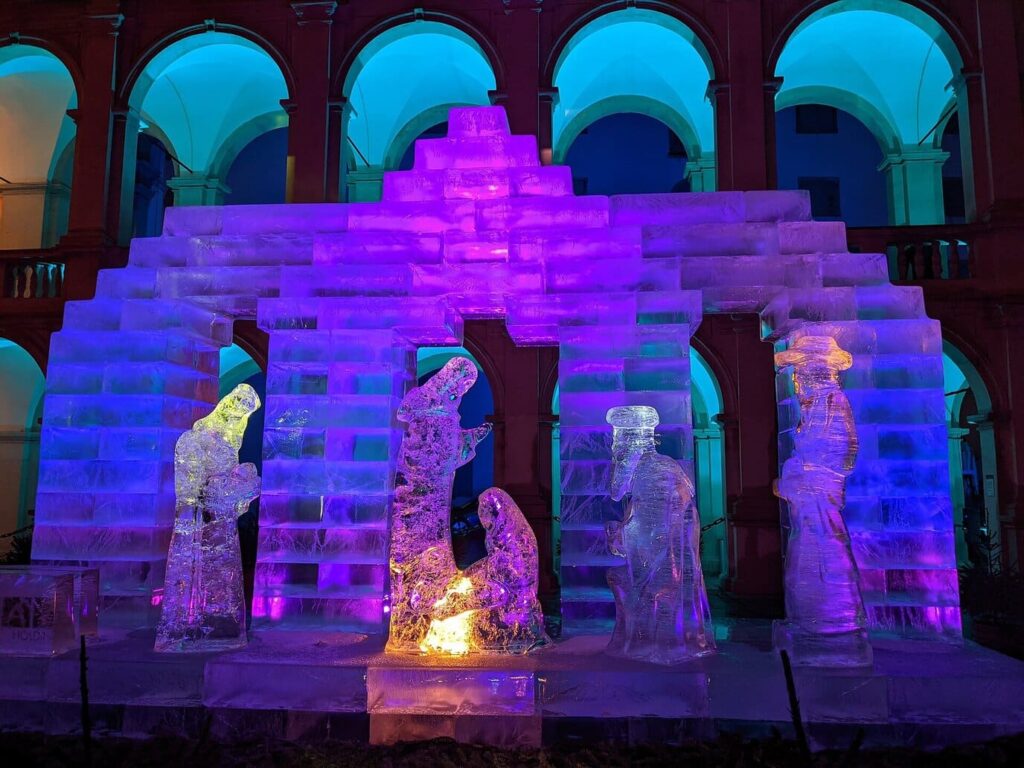
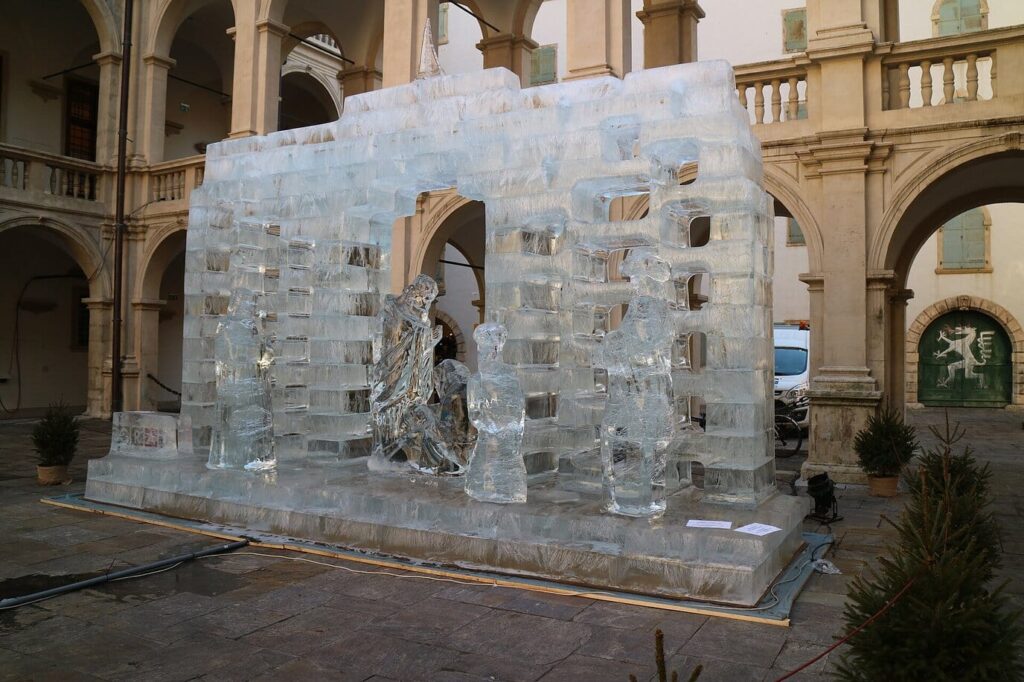
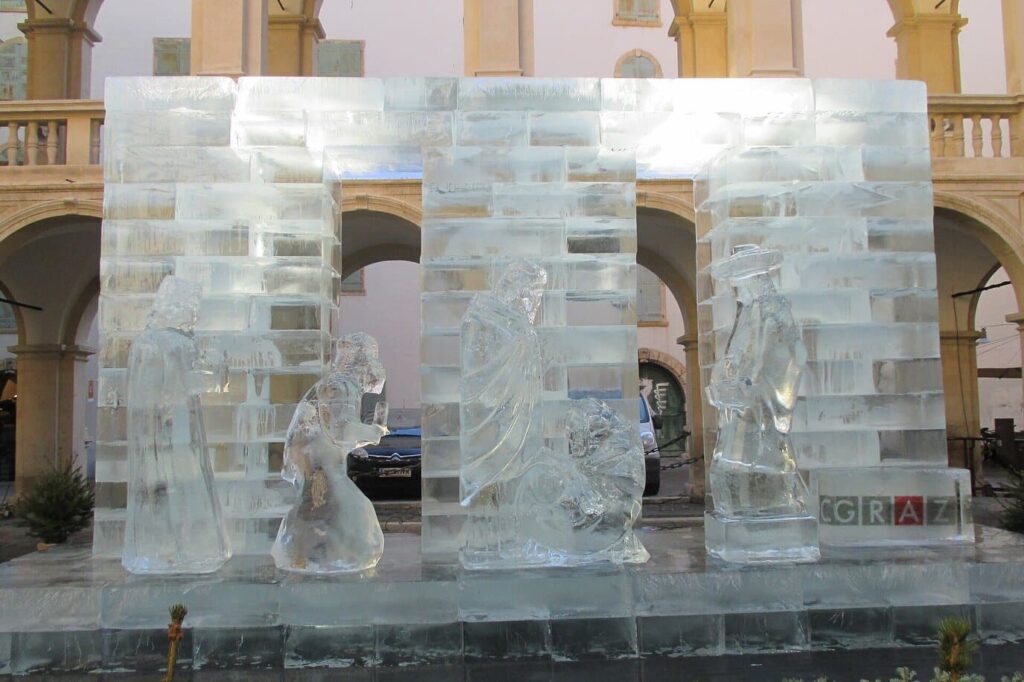
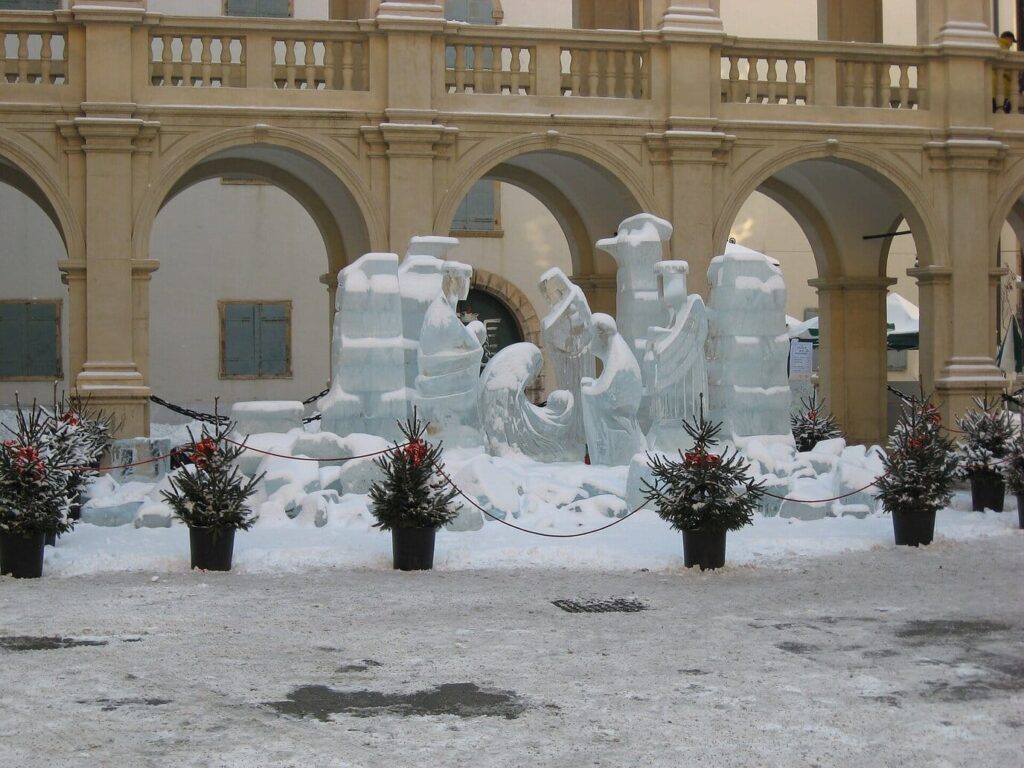
- The Eiskrippe in the Landhaushof, an ice nativity on view until 6 January 2027
- Punsch and Glühwein, the signature hot drinks of the Austrian Advent
- UNESCO-listed historic centre, with several markets within walking distance
- Schlossberg funicular for a view over the illuminated chalets
Where to stay near Graz Christmas Market
Hotels, flats and rooms around the market, for the dates of your stay.
Check availability with our partners
Graz Christmas Market in pictures
Specialities to try
The flavours that make this market what it is
Styrian Punsch served in Häferl mugs with a deposit
Kürbiskernöl
Pumpkin seed oil) on hot dishes
Lebkuchen
roasted chestnuts
Kaiserschmarrn
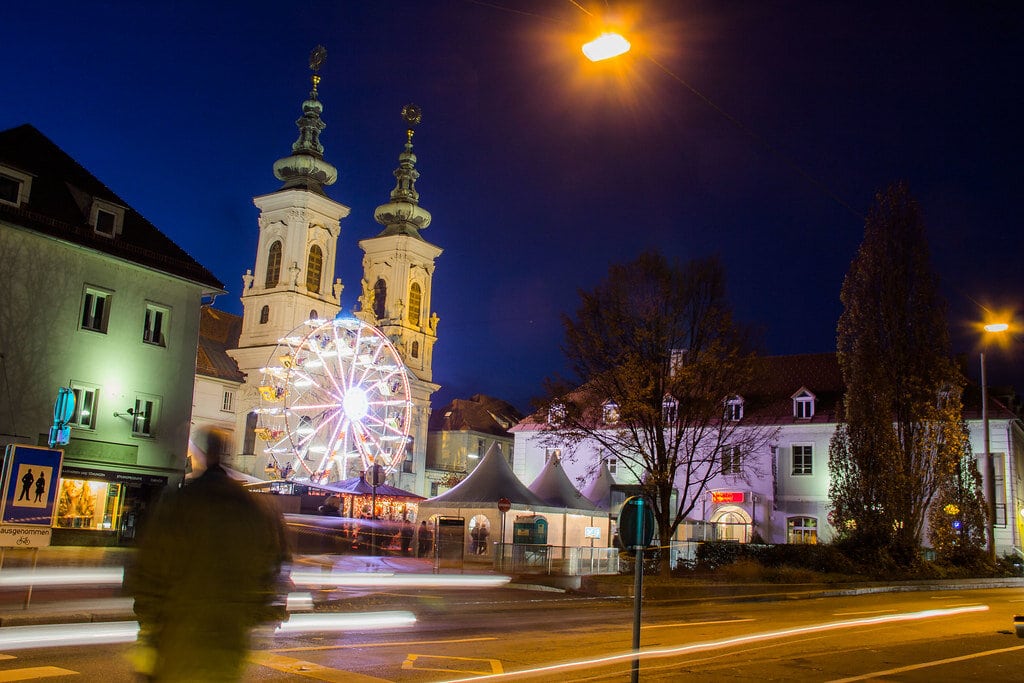
Graz Christmas market brings the Hauptplatz to life from late November, at the foot of the Schlossberg and the pastel façades of the Styrian old town. Austria’s second city by population, Graz has a UNESCO-listed historic centre where narrow lanes and cobbled squares give the wooden chalets a crisp setting. Sixteen separate markets are spread across the city centre, from the Hauptplatz to the Franciscan quarter, but most of the atmosphere is found on the main square and in the neighbouring Landhaushof, where a nativity scene carved entirely from ice takes shape every winter. In Austria, people say Christkindlmarkt as readily as Adventmarkt: both words mean the same thing, the December gathering around mulled wine and wooden chalets.
Graz Christmas market, between the Hauptplatz and the old town
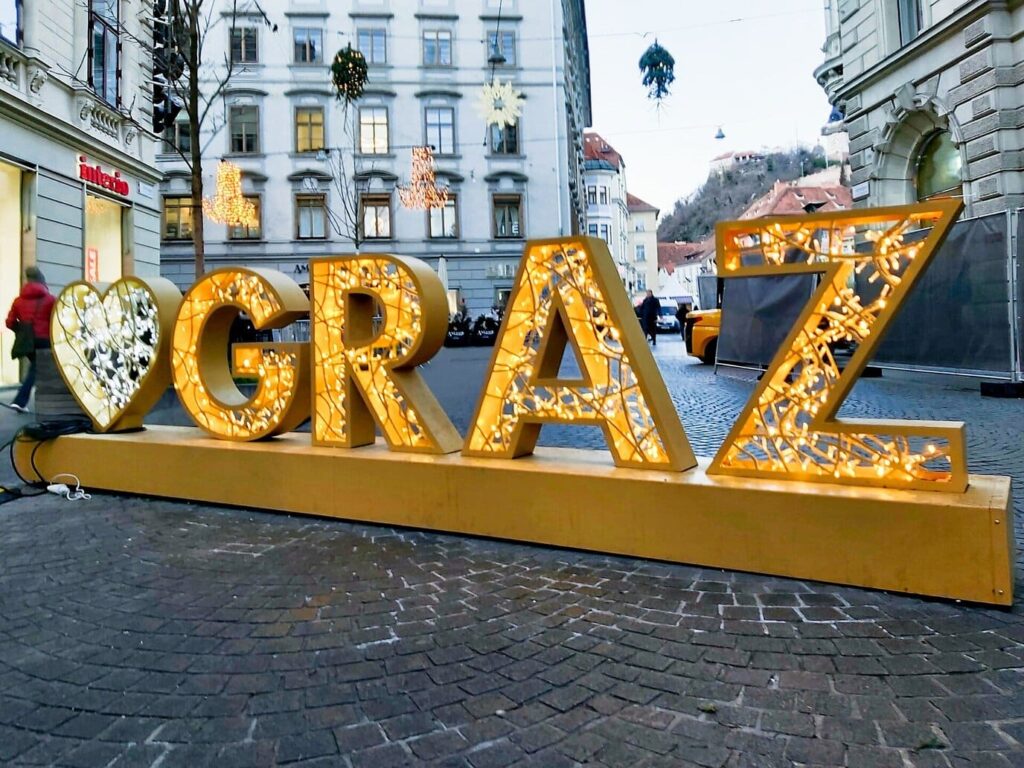
The Hauptplatz is the heart of Graz Christmas market. The square, lined by the town hall and its arcades, hosts wooden chalets, a decorated Christmas tree and strings of lights from 20 November to 24 December for the 2026 edition. The stalls sell local crafts, wooden and blown-glass decorations, and the hot drinks that warm your hands between two shop windows. The whole area is pedestrianised and gathered closely around the square, which makes the visit easy even with young children.
Around the Hauptplatz, the façades tell of several centuries of architecture: a 19th-century town hall, pastel-coloured townhouses, a mix of Gothic and Baroque arcades. At night, the market lights layer over the lighting of the monuments, and the square takes on a different look from the rest of the year. The Schlossberg, a wooded hill overlooking the city, can be reached by a historic funicular or by steps, for a view over the rooftops and the illuminated chalets below. The clock tower, the Uhrturm, can be seen from almost every point in the historic centre.
Not far from the Hauptplatz, the Landeszeughaus holds the city’s historic armoury, billed as the largest of its kind in the world, with about thirty-two thousand pieces of armour and weapons from the 16th, 17th and 18th centuries spread over several floors. Along the River Mur, the Kunsthaus Graz, a contemporary art museum with a bluish silhouette designed by Peter Cook and Colin Fournier, contrasts with the old façades of the centre. The Murinsel, a floating steel platform conceived by the architect Vito Acconci, houses a café, an open-air theatre and a playground in the middle of the river. The walk between these three sites and the Hauptplatz is short and follows the riverside quays, so you can combine the Christmas market with a more cultural afternoon.
The Eiskrippe in the Landhaushof, an ice nativity in the heart of the city
A few lanes from the Hauptplatz, the inner courtyard of the Landhaus is home to an ice nativity scene, the Eiskrippe. The building dates from the Renaissance: built between 1557 and 1565 by the Italian architect Domenico dell’Allio, it is the seat of the Styrian regional parliament and has one of the finest façades in the city. Its courtyard, ringed by arcades on several levels, changes role every winter to host the ice installation. The spot is sheltered by the surrounding arcades, a welcome refuge on rainy or snowy days, while the nearby Hauptplatz stays open to the elements.
The Graz tourist office presents the Eiskrippe as the largest ice nativity scene in the world, carved from about thirty-five tonnes of ice. The figures and scenery are sculpted from the blocks, in a setting that stays cold even when the outside temperature rises. The installation stays on view longer than the Hauptplatz market: from 28 November 2026 to 6 January 2027, well after the chalets close on 24 December, which makes it a possible stop even if you are passing through between Christmas and New Year.
Punsch, Glühwein and Styrian treats
Mulled wine comes in two forms here: classic Glühwein, made with red wine and spices, and Punsch, often laced with rum or fruit, which packs more of a punch. Those with a sweet tooth will find hot chestnuts and seasonal pastries, while the savoury stalls focus on regional specialities. Styria is known for its pumpkin seed oil, used as a dressing in several dishes served on the stalls, an ingredient that sets the local cuisine apart from the rest of Austria.
The stalls vary a little from one market to another in the centre: the Hauptplatz goes for big shared tables around the braziers, while the smaller spots on Glockenspielplatz or Mehlplatz keep a neighbourhood feel. To mix things up at home, a homemade Punsch recipe and its mulled wine variations are waiting on our mulled wine guide.
As at most German-speaking markets, the mug of mulled wine or Punsch comes with a deposit, refunded when you return it or kept if you take the mug home as a souvenir of the evening. The mugs change design every season, which leads some visitors to collect one from each market they visit. Cash is still common at the small stalls, although cards are becoming the norm at the larger stands on the Hauptplatz.
Practical information: dates, opening hours and getting there from France
For the 2026 edition, the Hauptplatz market is open from 20 November to 24 December, from 11am to 8pm daily, until 10pm for the food stalls, closing early at 2pm on 24 December. Entry is free, as at all the markets in the centre. On Saturdays, the city’s public transport is free, with a few exceptions, and the Altstadtbim, the historic-centre shuttle, runs every day between the main sights.
From France, with the Paris-Vienna Nightjet no longer running since December 2025, the journey is made by day via Munich, from where a few direct trains run to Graz; if you go via Vienna, a Railjet then takes you to Graz in just over two hours. By air, Graz is reached via Vienna, Munich, Frankfurt or Zurich, as there is no direct flight from Paris. By car, the route goes through southern Germany or Slovenia depending on where you start, with the last stretch on Austria’s A9 motorway.
The main station, Graz Hauptbahnhof, can be reached from the Hauptplatz on foot or in a few tram stops. The historic centre can be walked from one end to the other, which keeps motorised travel to a minimum once you are there.
The currency is the euro, as in France, so there is no need to change money when you arrive. German is the main language on the stalls, but English works without any trouble in the tourist centre, and a few polite words in German, such as a simple hello or thank you, always go down well with the stallholders.
The other markets in the historic centre and the Krampus tradition
Other squares in the centre also celebrate Advent in Graz. The Franciscan quarter hosts the Altgrazer Christkindlmarkt, with more of a craft focus, while Glockenspielplatz and Mehlplatz round off the route with more compact rows of stalls. These four spots can be visited one after another on foot, as the historic centre of Graz is compact. The historic centre of Graz has been a UNESCO World Heritage Site since 1999, together with Eggenberg Palace to the west of the city, and the city also holds the title of UNESCO City of Design.
In early December, as in much of Austria, Krampus parades pass through some streets in the centre. The tradition features costumed horned creatures, as a counterpoint to Saint Nicholas on 6 December: an ancient Alpine folklore, closer to a winter carnival than a horror show. Families usually watch from the pavements, without it disrupting the market itself. Shops in the centre often announce the time of the parade in advance, so you can choose whether to watch it or stay on the Hauptplatz.
- Munich Christmas market can be reached by train from Austria and fits nicely into a trip focused on southern Germany and Styria.
- Nuremberg Christmas market, further north, remains a benchmark if you are extending your trip into Bavaria.
- Dresden Christmas market, famous for its long history, suits a wider Central European tour.
- Those with a sweet tooth will also find hot chestnuts and seasonal pastries on Glockenspielplatz, an easy break between two craft stalls.
- The Schlossberg funicular gives you a view over the illuminated chalets, a good way to end your visit before heading back down to the old town.
Our tip
Start with the Hauptplatz in the late afternoon as the light gently fades, then finish at the Eiskrippe in the Landhaushof, which stays open later into the evening.
Reviewed and approved by the editorial team
Checked on against 3 official sources. Detailed sources available on request.
A question, a mistake or a problem on this page? Write to us
Markets nearby
 Opens in 42 days
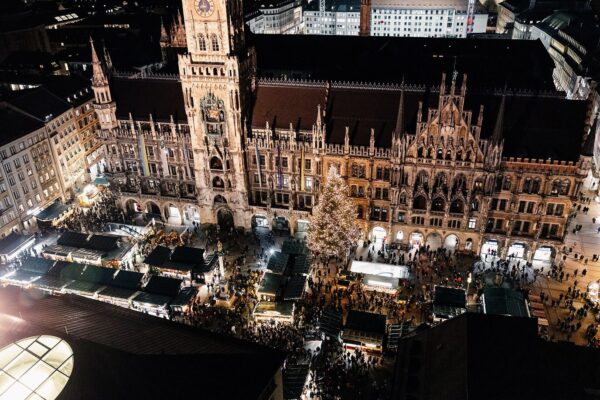
Munich Christmas Market
Munich
From 20 November to 24 December 2026
Worth the weekend
 Opens in 49 days
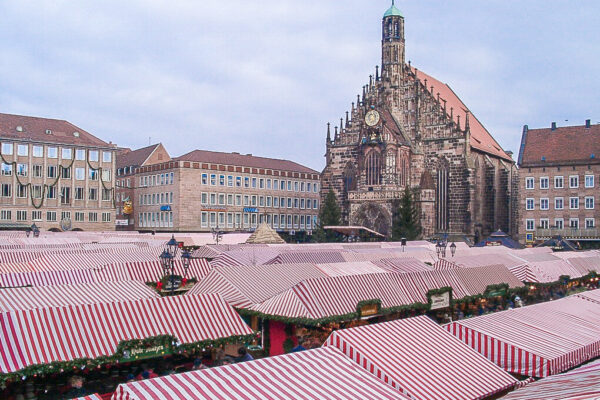
Nuremberg Christmas Market
Nuremberg
From 27 November to 24 December 2026
Worth the trip
 Opens in 47 days
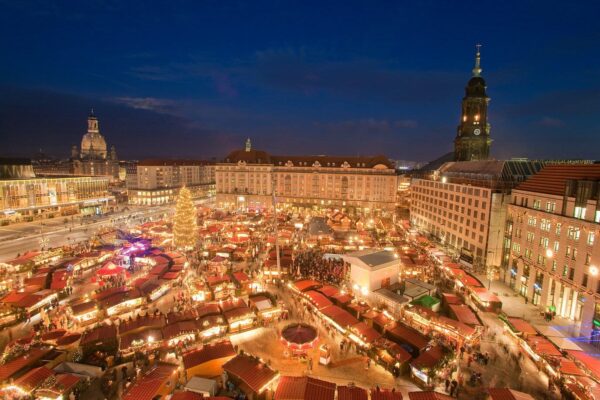
Dresden Christmas Market
Dresden
From 25 November to 24 December 2026
Worth the trip
Activities nearby
Parks and sites running a Christmas programme less than an hour's drive away. They aren't Christmas markets, and admission is charged.
 Opens in 50 days
Park
Opens in 50 days
Park
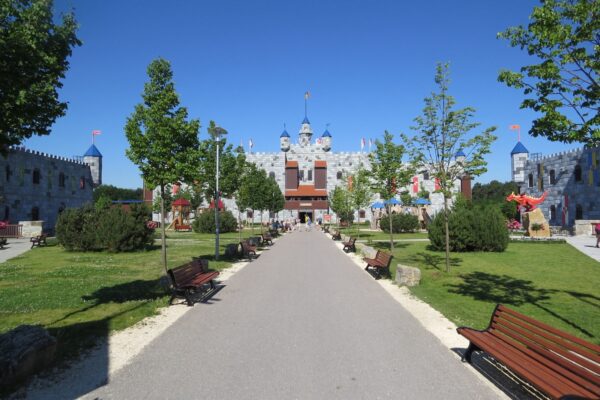
LEGOLAND Deutschland at Christmas
Günzburg
From 28 November to 10 January 2027
Day out · Park
 Opens in 43 days
Event
Opens in 43 days
Event
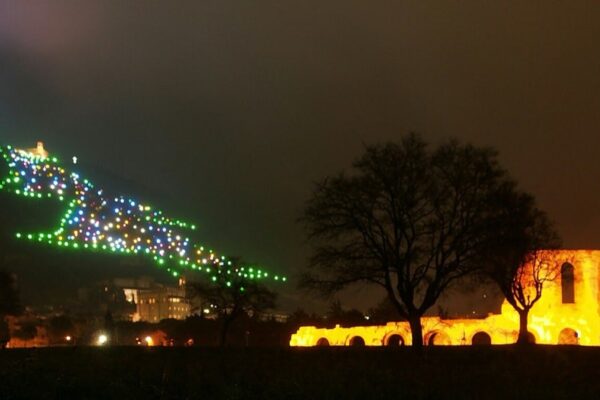
Christmas in Gubbio: the giant tree and the markets
Gubbio
From 21 November to 6 January 2027
Day out · Event
 Dates to be confirmed
Park
Dates to be confirmed
Park
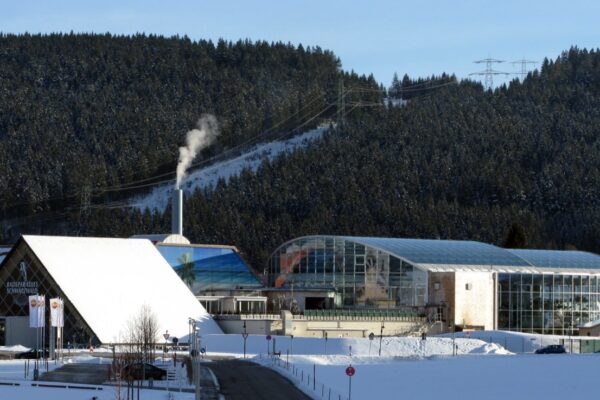
Badeparadies Schwarzwald at Christmas: relaxing in the Black Forest
Titisee-Neustadt
Day out · Park