
Where to find Bar-le-Duc Christmas Market
Highlights of Bar-le-Duc Christmas Market
- Redcurrant jam deseeded with a goose quill, the “Bar-le-Duc caviar”
- The Renaissance Ville Haute and Place Saint-Pierre
- Ligier Richier's Transi in the collegiate church of Saint-Étienne
- An intimate format, easy to combine with Metz or Nancy
- Direct TER access from the big cities of the Grand Est
Where to stay near Bar-le-Duc Christmas Market
Hotels, flats and rooms around the market, for the dates of your stay.
Check availability with our partners
Specialities to try
The flavours that make this market what it is
-
Redcurrant jam deseeded with a goose quill Bar-le-Duc redcurrant jam
-
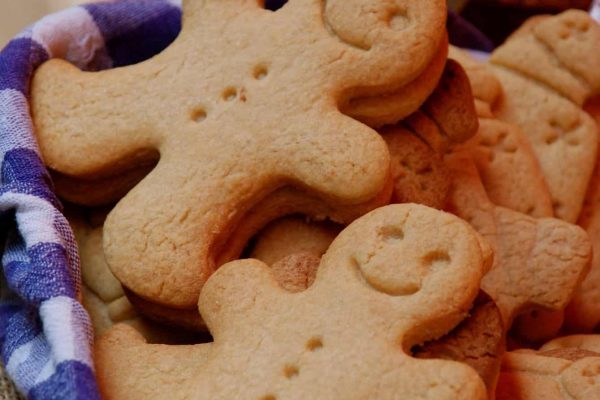
Gingerbread
-
Bredele
-
Commercy madeleines Madeleine
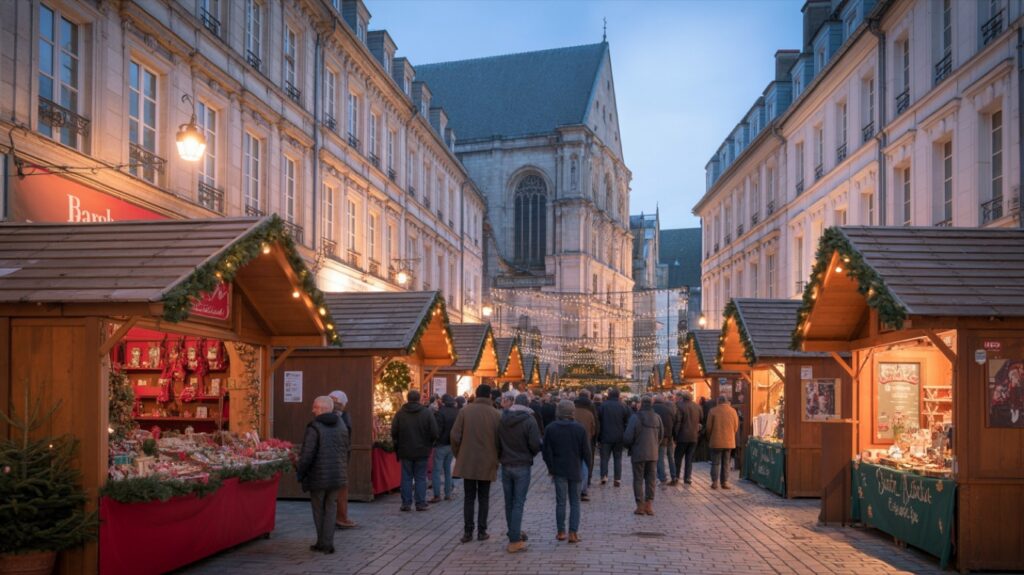
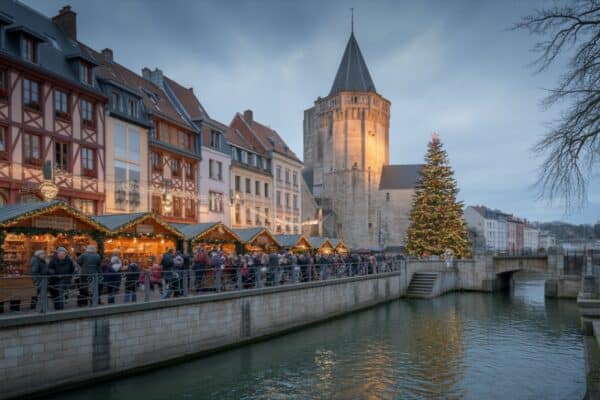
Perched on its spur in the Ville Haute, Bar-le-Duc has one of the best-preserved Renaissance civic ensembles in France, and it is at the foot of this honey-coloured stone, down in the lower town, that the Bar-le-Duc Christmas market takes place. The prefecture of the Meuse plays it calm: a handful of wooden chalets, lights warming the 16th-century façades, the smell of mulled wine drifting through the lanes. People come here for the hushed atmosphere of a small Lorraine town as much as for the heritage of the Ville Haute, between Place Saint-Pierre and the collegiate church of Saint-Étienne. Long the capital of the Duchy of Bar, the town has kept a quiet elegance from its princely past that contrasts with the simplicity of the market.
Where the Bar-le-Duc Christmas market is held
The event, called “Noël féérique”, takes place in the heart of the lower town, around the shopping streets and central squares, which are easier to reach than the Ville Haute and its slopes. A dozen wooden chalets sell crafts, food and gift ideas. The format stays modest, in keeping with the town (about 15,000 inhabitants), with a carousel for younger visitors and free events spread over the December weekends.
The lower town gathers its shops along the Ornain, the river that runs through Bar-le-Duc. That is where the festive season happens: lights in the pedestrian streets, decorated shop windows, a few concerts and costumed characters on Saturdays. The focus is on families, with decoration-making workshops for children and a ride turning near the chalets. This is a far cry from giant markets, and it is precisely this short format that lets you see everything in a morning, then keep the afternoon for the town's heritage.
For the 2026 edition, the dates have not yet been officially confirmed by the town: in previous years, the market ran from early December until the day before Christmas. Check the programme on the town hall's website before planning your weekend, as chalet hours and events change from day to day. Bar-le-Duc is a good base for exploring the Grand Est and moving on to the Metz Christmas market or the Nancy Christmas market, about an hour by road for Nancy and an hour and a half for Metz.
Local specialities: the famous Bar-le-Duc caviar
You can't talk about the town without mentioning its redcurrant jam, deseeded with a goose quill and nicknamed “Bar-le-Duc caviar”. Each currant is emptied of its seeds by hand, one by one, using a trimmed goose quill, so the fruit stays whole and translucent. There are on average seven seeds per berry to remove without piercing the skin: a labour of patience that explains why the product has stayed artisanal.
The recipe is said to date back to 1344, which places it among the oldest food traditions in France. Production remains tiny, in the order of a few thousand 100-gram jars a year, hence the price and its status as a luxury product. Victor Hugo is said to have loved it, and Hitchcock too, according to local legend. At the market, a jar makes a gift out of the ordinary: red or white, it is enjoyed on a slice of bread, with fresh cheese or even with foie gras. Maison Dutriez keeps the craft alive in town, if you want to visit the workshop after the market.
On the stands you will also find Lorraine classics: bredele, gingerbread, madeleines from nearby Commercy, and cheeses and charcuterie from the Meuse. Local producers bring out their honey, terrines and craft beers, and a few stallholders sell wooden or ceramic items for gifts. Mulled wine is the star among drinks, served well spiced to stand up to the Meuse cold. You can recreate the mood at home with a good mulled wine recipe to keep the atmosphere going once you are back.
- Redcurrant jam deseeded with a goose quill, the local “caviar”, in a gift jar.
- Gingerbread and bredele, the typical Christmas biscuits of Lorraine.
- Commercy madeleines, made about forty kilometres away.
- Cheeses, charcuterie and honey from Meuse producers.
- Spiced mulled wine, to sip as you wander between the chalets.
Renaissance heritage well worth the trip
What makes Bar-le-Duc special is its Ville Haute. This district brings together 16th and 17th-century Renaissance mansions, their façades carved with pilasters and medallions, along Rue des Ducs de Bar, with Place Saint-Pierre as the high point. The ensemble ranks among the best-preserved Renaissance civic quarters in the country, a setting few prefectures of this size can offer. In winter, with rooftops sometimes frosted and car-free streets, the walk feels like an old postcard.
The collegiate church of Saint-Étienne, on Place Saint-Pierre, houses the Transi of René de Chalon, sculpted in the 16th century by Ligier Richier. This funerary statue shows a flayed figure holding his heart up to the sky, one of the masterpieces of Lorraine sculpture. The church also holds a Christ on the Cross by the same artist. Entry is free, which makes it an easy stop to fit between two rounds of the market. Save time for this quiet plateau, especially if the winter light catches the stone in the late afternoon.
The town lends itself to a weekend combining the Christmas market and its heritage. Allow a good hour to go round the chalets, and as long again to climb to the Ville Haute and the Church of Saint-Étienne. The tourist office runs guided tours of the Renaissance quarter, useful for understanding the history of the Dukes of Bar who shaped the town. The castle, of which some remains still stand at the top, once looked out over the Ornain valley, and the Belvédère des Grangettes is still a lovely spot to take in the rooftops below.
Practical info and getting there
Bar-le-Duc is served by TER Grand Est regional trains, with connections to Metz, Nancy, Reims, Strasbourg and Paris-Est; a few TGVs still stop at the station, even though services have partly moved to Meuse TGV station, around thirty kilometres away. The station is a few minutes' walk from the centre. By car, the town is connected to the main roads of Lorraine and Champagne. A car park next to the station is open around the clock, and the TUB bus network serves the centre. The chalets are step-free in the lower town; the sloping Ville Haute takes a little effort for people with reduced mobility. From Paris, allow about three hours by train depending on the connection; from Metz or Nancy, allow about an hour on a direct train. A bus station near the SNCF station also links the villages of the Meuse, handy if you are staying in the area.
As for budget, the market is free to enter: you only pay for what you eat and drink. Allow around ten euros for a mulled wine and a treat, more if you give in to a jar of Bar-le-Duc caviar or some crafts. For accommodation, the town has a few hotels and guesthouses, but the choice is limited: book early if you are aiming for a December weekend. If you carry on into Champagne, the Châlons-en-Champagne Christmas market is just over an hour away and rounds off a tour of the region nicely.
Why stop in Bar-le-Duc in December
We like Bar-le-Duc for what it is: a peaceful stop, carried by rare Renaissance heritage and a delicacy that tells centuries of history. The market does not compete in size with those of the big Alsace towns, but it is well worth pairing with a visit to the old centre and a jar of Bar-le-Duc caviar slipped into your bag. The best approach is to take the town as a whole: the market for the atmosphere and the treats, the Ville Haute for the history, the jam for the souvenir to bring home.
For a successful weekend, plan your visit for a Saturday, when there are the most events, and keep time for the collegiate church and its Transi. If you want to extend your stay, the Grand Est region has enough markets for a short tour: Metz and Nancy to the north, Champagne to the west. Bar-le-Duc remains a pleasant gateway for anyone looking for an unhurried Lorraine Christmas.
Our tip
Climb up to the Ville Haute in the late afternoon to see the Renaissance stone turn gold in the winter light, then head back down to the chalets for a mulled wine.
Reviewed and approved by the editorial team
Checked on against 4 official sources. Detailed sources available on request.
A question, a mistake or a problem on this page? Write to us
Markets nearby
 Opens on 20 November
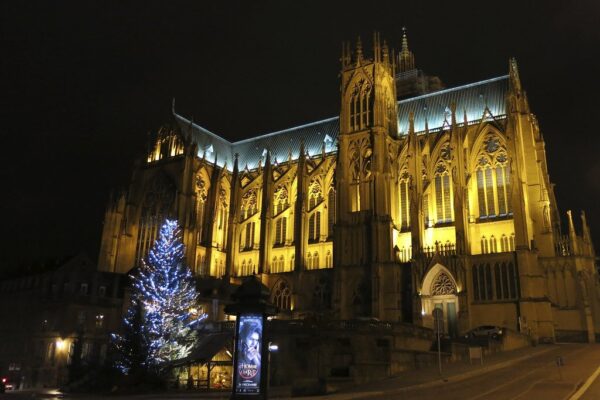
Metz Christmas Market
Metz
From 20 November to 30 December 2026
Worth the trip
 Opens on 20 November
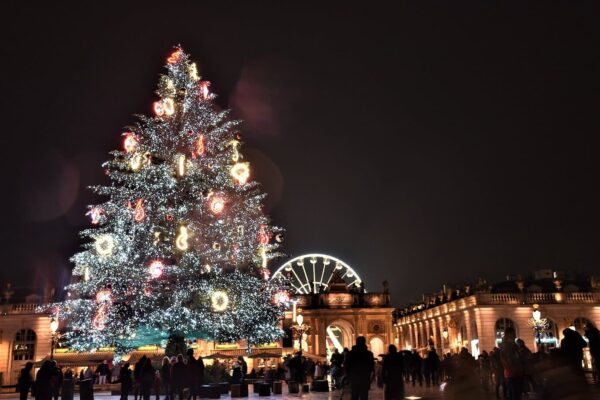
Nancy Christmas Market
Nancy
From 20 November to 3 January 2027
Worth the weekend
 Dates to be confirmed
Verdun Christmas Market
Verdun
Local favourite
Activities nearby
Parks and sites running a Christmas programme less than an hour's drive away. They aren't Christmas markets, and admission is charged.
 Opens on 20 November
Park
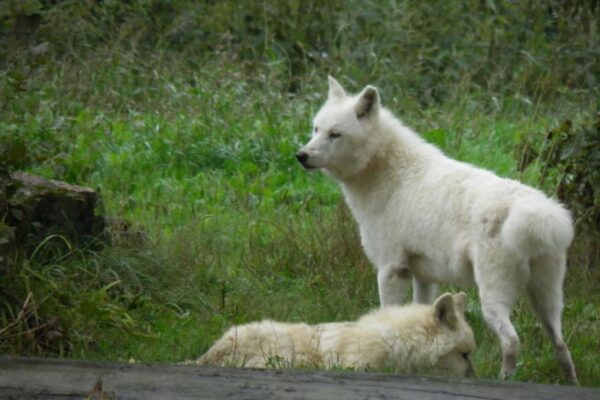
Parc de Sainte-Croix at Christmas: Lumières d’Hiver
Rhodes
Worth the weekend · Park
 Opens on 28 November
Event
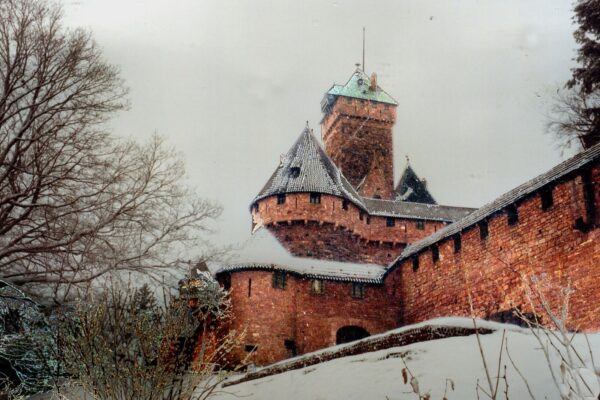
Haut-Koenigsbourg Castle at Christmas
Orschwiller
From 28 November to 31 December 2026
Day out · Event
 Opens on 7 November
Park
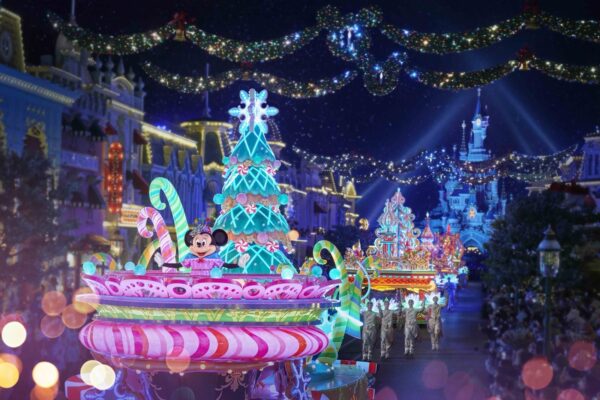
Disneyland Paris at Christmas: Disney Enchanted Christmas
Chessy
From 7 November to 6 January 2027
Worth the trip · Park