
Where to find Villeneuve-d’Ascq Christmas Market
Highlights of Villeneuve-d’Ascq Christmas Market
- Chalets in the courtyard of the Château de Flers, a 17th-century Flemish manor house
- Twenty-odd exhibitors changing every weekend: local designers and craftspeople
- Letterbox and appearances by Father Christmas for children
- Northern specialities: filled waffles, speculoos, Maroilles, regional beers
- Château museum open free of charge and zero-waste workshops
Where to stay near Villeneuve-d’Ascq Christmas Market
Hotels, flats and rooms around the market, for the dates of your stay.
Check availability with our partners
Specialities to try
The flavours that make this market what it is
Waffles filled with vergeoise
speculoos
cramique
gingerbread
Maroilles and northern cheeses
craft beers from the region
crêpes and hot chocolate
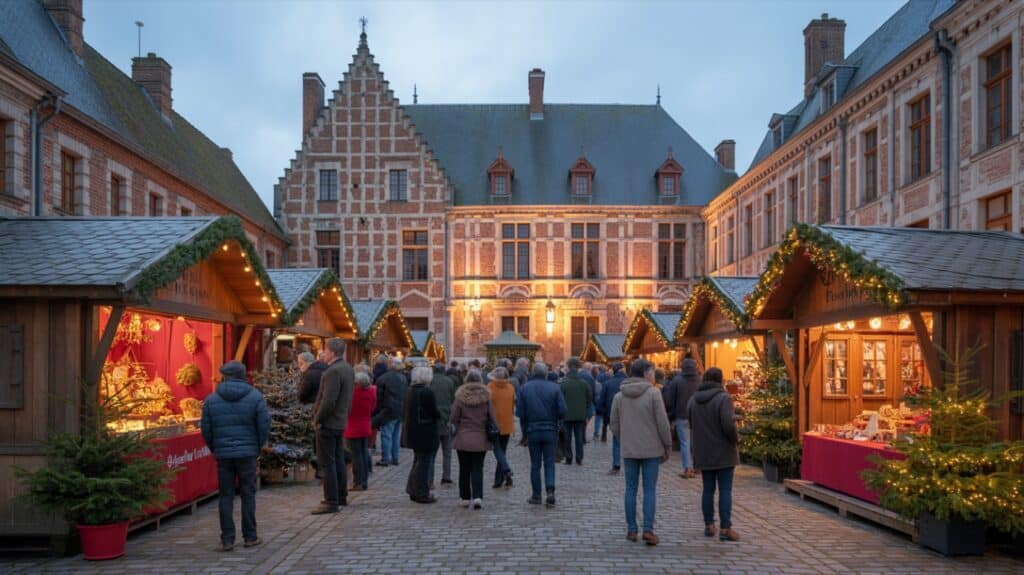
Ten minutes from Lille by metro, Villeneuve-d’Ascq Christmas market has an unusual setting for the region: the courtyard and rooms of the Château de Flers, a 17th-century Flemish manor house in red brick and timber framing. Over four weekends, the wooden chalets line up around the historic building, with designers from the North, festive treats and Father Christmas’s letterbox. This is a new town that grew up around the university and its lakes, but this particular Christmas takes place in its oldest piece of heritage, warmed by crêpes and hot chocolate.
The chalets in the courtyard of the Château de Flers
The event takes place on Chemin du Chat-Botté, within the grounds of the Château de Flers, which also houses the municipal museum and the tourist office. The format is a change from the big city markets: around twenty exhibitors, different every weekend, spread out across the courtyard and the rooms of the manor. Local designers and craftspeople, charities and food producers for festive meals take turns, so one Sunday is never like the last. You move from a decor stand to a regional produce stall in a few steps, beneath 17th-century timber framing and brick. Father Christmas’s letterbox awaits the children, and the man himself makes several appearances over the weekends.
The venue is worth a look in its own right. The château, completed in 1661, is one of the few surviving examples of rural Flemish architecture in a town created in the 1970s by merging Ascq, Annappes and Flers. Its tall crow-stepped gables, weathered bricks and old roof timbers give the market a reassuring scale, far from the long, ruler-straight rows of chalets on a boulevard. Around it, Villeneuve-d’Ascq has its lakes, its parks and the Haute Borne science park, not to mention the LaM museum a few streets away, a benchmark for modern art, contemporary art and outsider art. The market is modest in size, but the setting makes all the difference, and the feel of an inner courtyard sheltered from the wind works in its favour on grey northern days.
The turnover of stalls from one weekend to the next changes the way you visit. A regular can come back several Sundays without meeting the same designers twice, which leaves time to spot a piece of jewellery, a ceramic or a turned-wood object before making up your mind. The charities on site add a supportive dimension to your end-of-year shopping, and direct contact with the craftsperson who made the object gives it a value that supermarket shelves cannot match. This is a market to enjoy at the slow pace of a Saturday afternoon or a Sunday morning, rather than as a long march from one end to the other.
The treats of Villeneuve-d’Ascq Christmas market: a taste of the North
When it comes to food, this is Ch’ti country, and the stalls soon remind you. Crêpes made on the spot and hot chocolate lead the way when the cold creeps into the courtyard, but food producers also bring regional classics to stock the festive table. Waffles filled with vergeoise (brown beet sugar), speculoos, cramique and gingerbread can all be found at the craftspeople’s stands, to nibble on the spot or take home. Maroilles and cheeses from the northern plateau sit alongside the region’s beers, to pick for a Christmas Eve aperitif. And if you want to bring the warmth of the chalets home, a good mulled wine recipe with spices gets you halfway there.
The northern waffle deserves a closer look. Thin, soft and filled with a brown vergeoise cream, it has nothing in common with the crispy funfair waffle: you eat it warm, almost melting, and it goes as well with a coffee as with a mulled wine. Cramique and Maroilles complete the picture of a region that loves bold flavours. At the food stands you can often put together a Christmas Eve platter in a single visit: a piece of farmhouse Maroilles, an amber bière de garde, a jar of homemade jam and a bag of speculoos for dessert.
- Waffles filled with vergeoise, soft and sweet, a signature of the North eaten warm between two stalls.
- Speculoos and cramique, the brioche with raisins or pearl sugar that goes so well with hot chocolate.
- Maroilles and regional cheeses, to take away for the festive cheeseboard.
- Craft beers from the North, blond, amber or bière de garde, for your Christmas Eve aperitif.
- Crêpes and hot chocolate served on the spot, the duo that warms up Saturday afternoon visits.
Opening hours, access and entertainment: practical information
Entry to the market is free: you only pay for what you eat, drink or take home. The previous edition ran over four weekends from late November to mid-December, open from the afternoon to early evening on Saturdays and all day on Sundays. For winter 2026, the dates are still to be confirmed by the town and the tourist office, which usually publish the programme in the autumn. It is best to check the exact times on the town’s website before you set off, as opening hours differ between Saturday and Sunday.
The entertainment gives the weekend a real family rhythm. The château museum opens free of charge during the event, with a workshop for making a tree decoration and exhibitions to visit in the warm. Workshops on zero waste and carbon footprints punctuate the days, in keeping with a town attached to its green spaces. The last edition closed with a jazz concert late on a Sunday afternoon, a format that could return. With the letterbox and Father Christmas’s appearances, children have plenty to do while parents go round the designers’ stalls.
The site’s big advantage is metro access from Lille. Line 1 serves Villeneuve-d’Ascq, and from Pont de Bois station a bus reaches the château area in a few minutes, so the trip is easy without a car. If you drive, car parks surround the estate, but spaces fill up on December weekends: aiming for Sunday morning or early Saturday afternoon cuts the wait. The courtyard and the château rooms are largely accessible, although the old floors call for a little care with a pushchair. Allow one to two hours to go round the chalets, longer if you carry on to the museum and a workshop.
What to see around Villeneuve-d’Ascq Christmas market
The town has much more to offer than the château. The LaM museum, a few streets away, brings together collections of modern art, contemporary art and one of the finest collections of outsider art in Europe, with a sculpture park you can explore even in winter. The Château de Flers museum, open during the market, presents exhibitions on archaeology, local history and regional ethnography. For sports fans, the Stade Pierre-Mauroy, home of LOSC, can be seen from the town and hosts the club’s matches as well as big concerts.
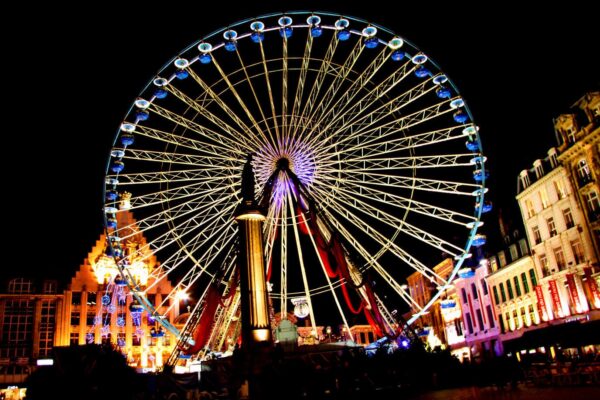
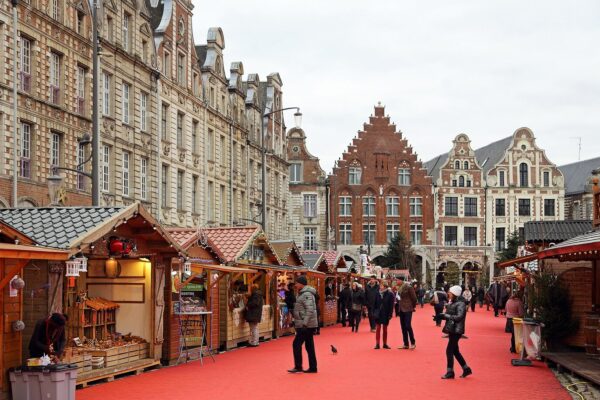
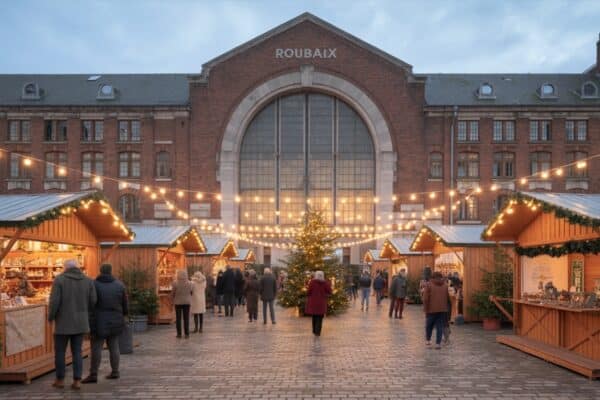
The lakes and wide green spaces of the new town give you somewhere to walk between showers, and the Haute Borne science park is a reminder of the town’s academic and scientific side. This identity as a town planned in the 1970s, with its green corridors and university campuses, contrasts with the old château where the market takes place, and that contrast adds spice to a day out. In a single afternoon you pass the 1661 manor house, the large glass walls of the LaM and the modern lines of a science campus, a mix that gives real depth to a Christmas outing. Its position in the Lille metropolitan area also makes it an easy base for exploring: Lille Christmas market and its big wheel are a quarter of an hour away by metro, Roubaix Christmas market is a few stops away, and Arras Christmas market with its Flemish Grand-Place gives you a good reason to extend the weekend in the North.
Our tip
Combine the market with the nearby LaM museum (modern, contemporary and outsider art) and its sculpture park, both reachable by metro from Lille.
Reviewed and approved by the editorial team
Information checked against 4 official sources. Detailed sources available on request.
A question, a mistake or a problem on this page? Write to us
Markets nearby
Activities nearby
Parks and sites running a Christmas programme less than an hour's drive away. They aren't Christmas markets, and admission is charged.
 Opens in 57 days
Park
Opens in 57 days
Park
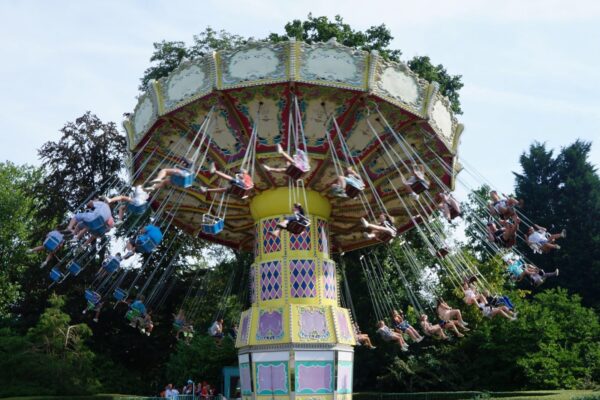
Bellewaerde at Christmas: the park near Ypres for the festive season
Ypres
From 5 December to 3 January 2027
Day out · Park
 Dates to be confirmed
Park
Dates to be confirmed
Park
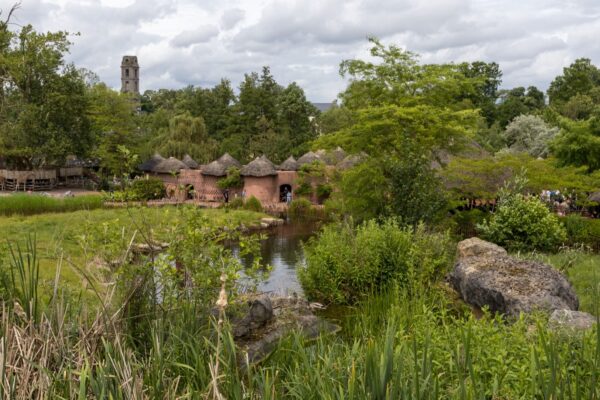
Pairi Daiza at Christmas: Christmas Time
Brugelette
Worth the weekend · Park
 Opens in 43 days
Park
Opens in 43 days
Park
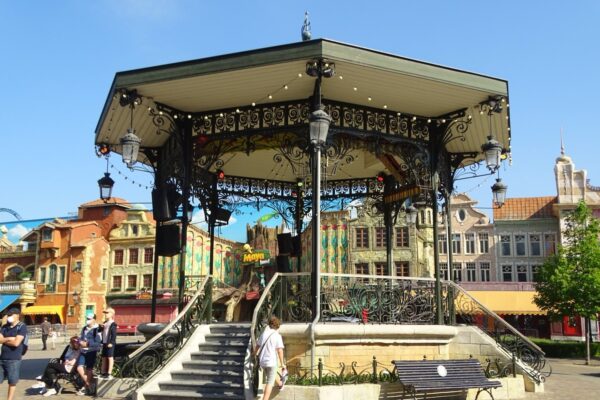
Plopsaland De Panne at Christmas: Magical Christmas
De Panne
From 21 November to 3 January 2027
Day out · Park