
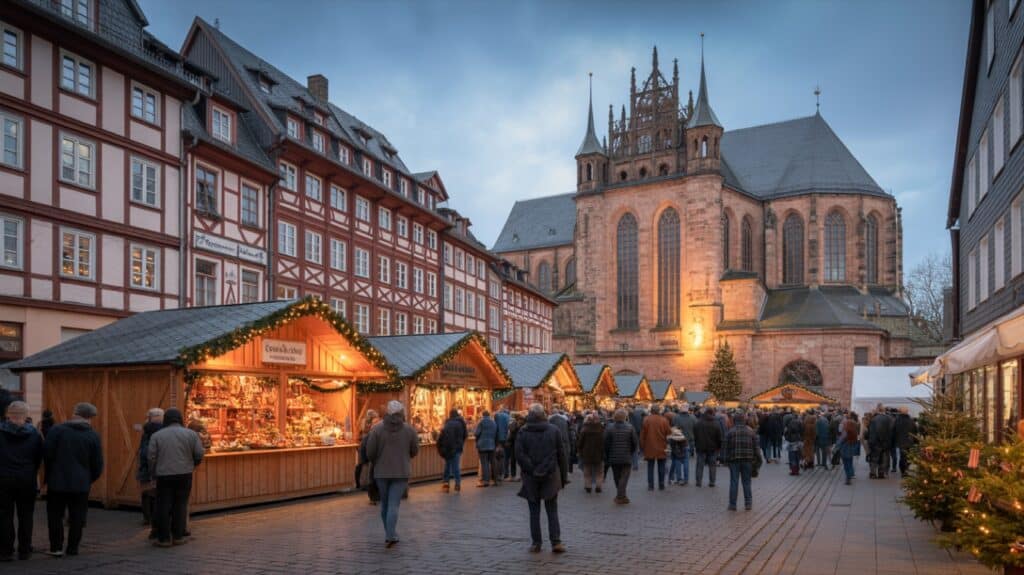
Where to find Trier Christmas Market
Highlights of Trier Christmas Market
- A historic setting, between the Hauptmarkt and the forecourt of St Peter's Cathedral
- The Porta Nigra and the UNESCO-listed Roman heritage, a few minutes' walk away
- Moselle wines served as Glühwein, red and white
- A short journey from Luxembourg and Lorraine
- A city twinned with Metz since 1957, familiar to French visitors
Where to stay near Trier Christmas Market
Hotels, flats and rooms around the market, for the dates of your stay.
Check availability with our partners
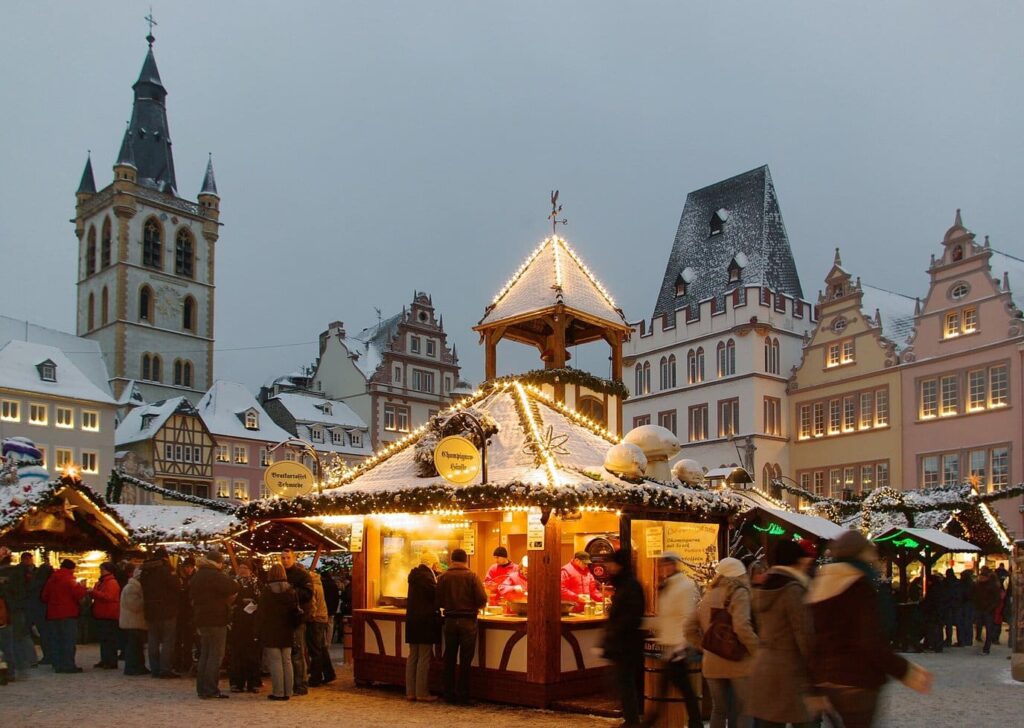
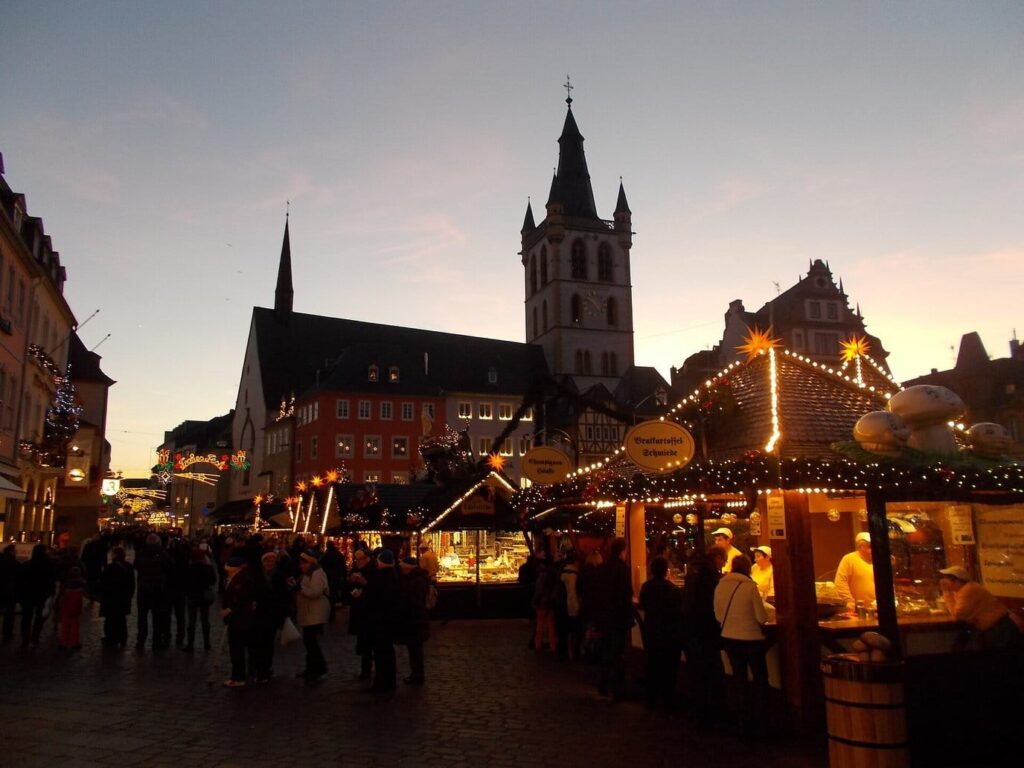
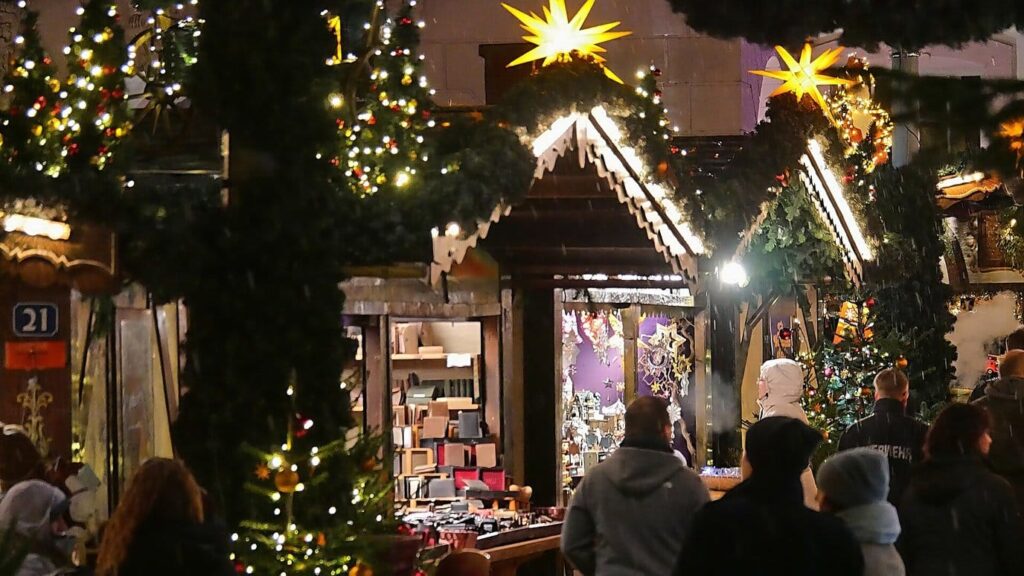
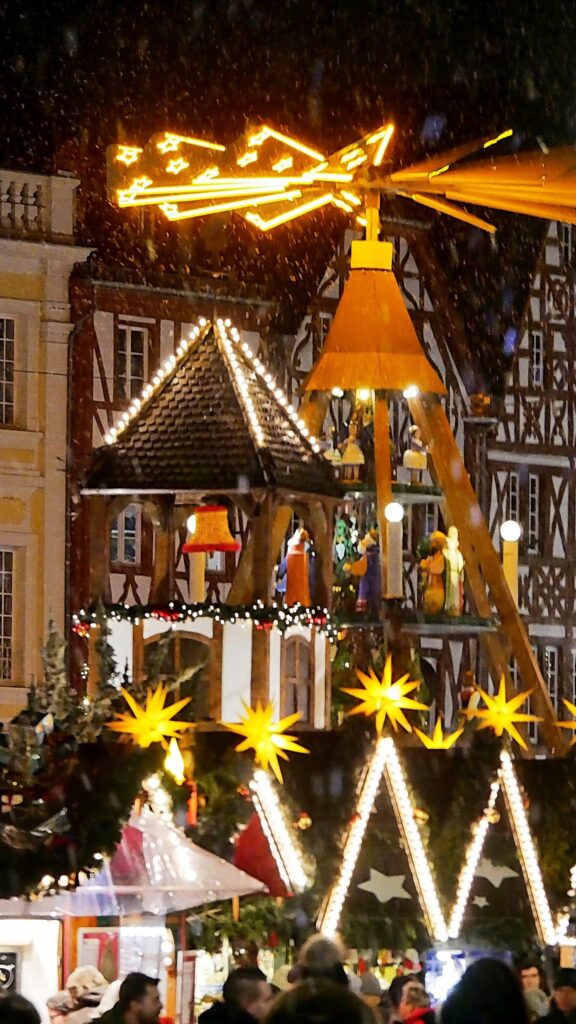
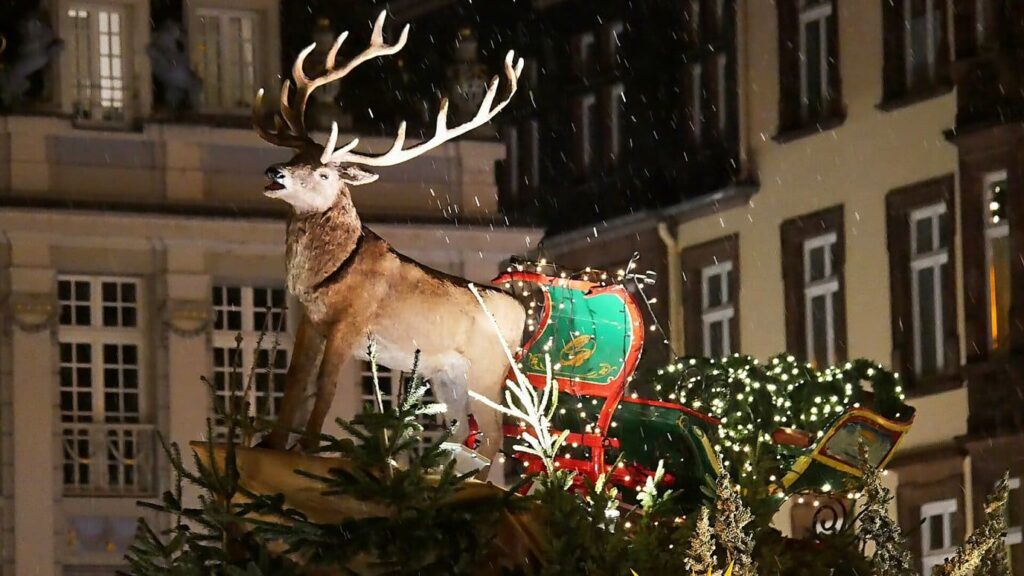
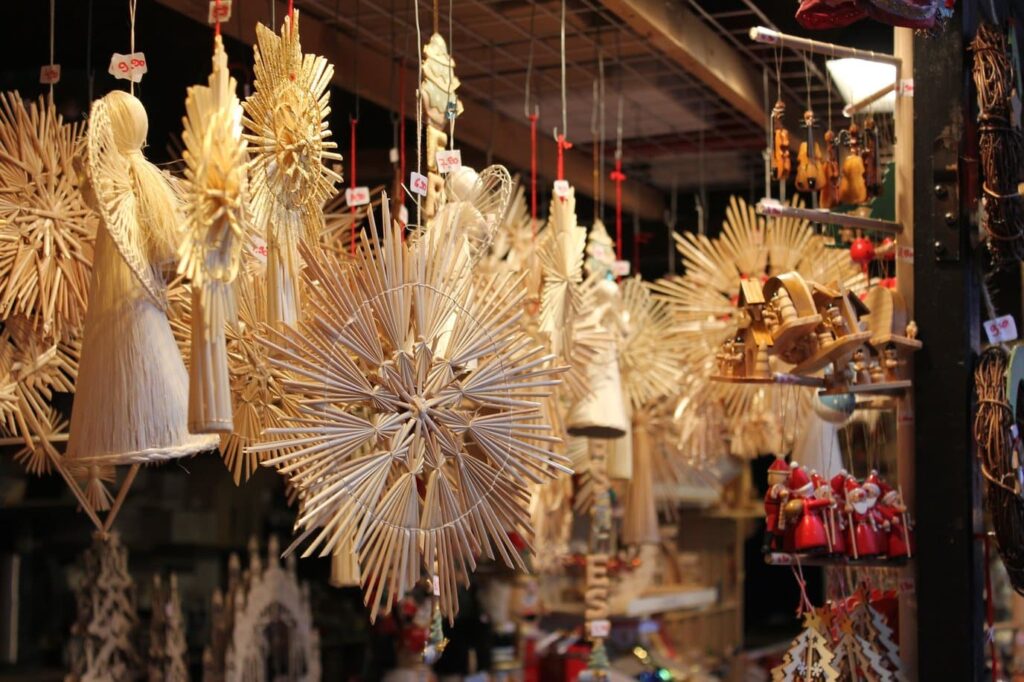
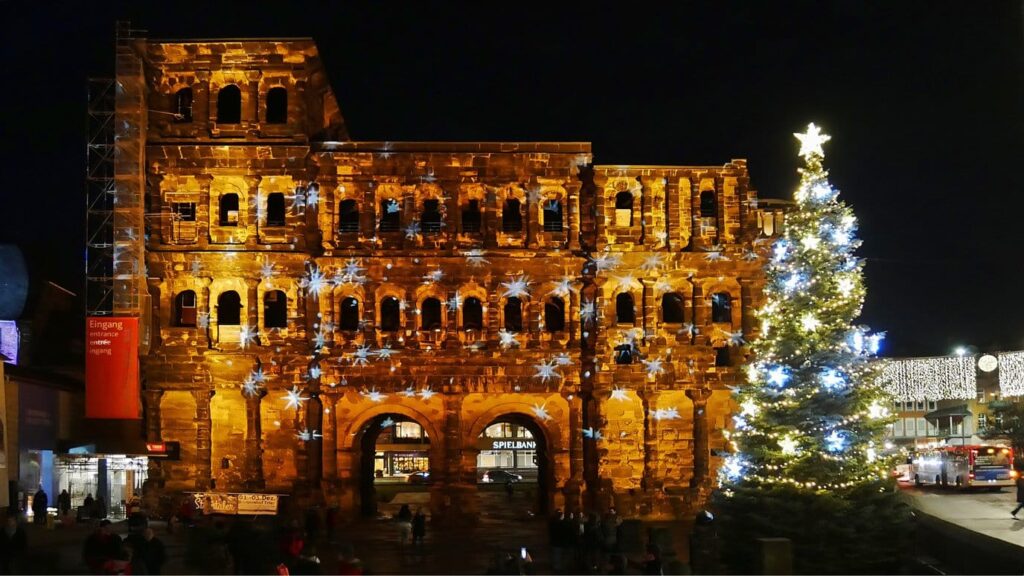
Trier Christmas Market in pictures
Specialities to try
The flavours that make this market what it is
-
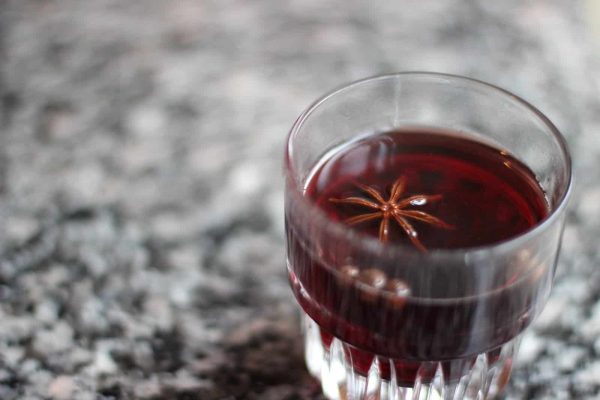
Glühwein with Moselle wines Mulled wine
-
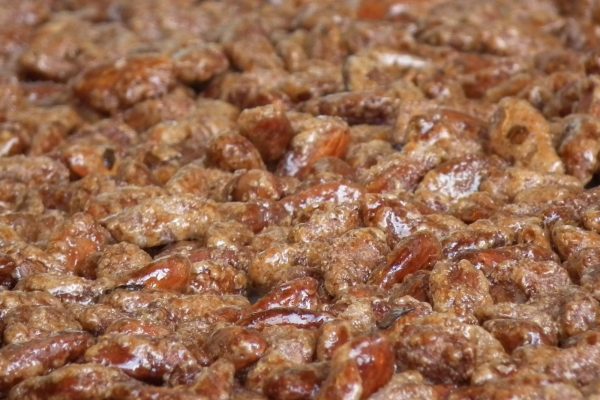 Candied almonds
-
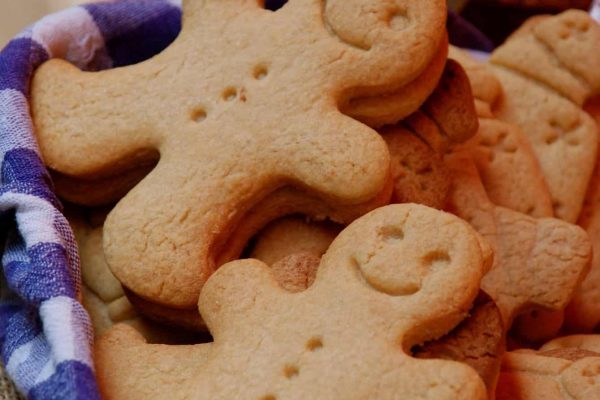
Gingerbread
-
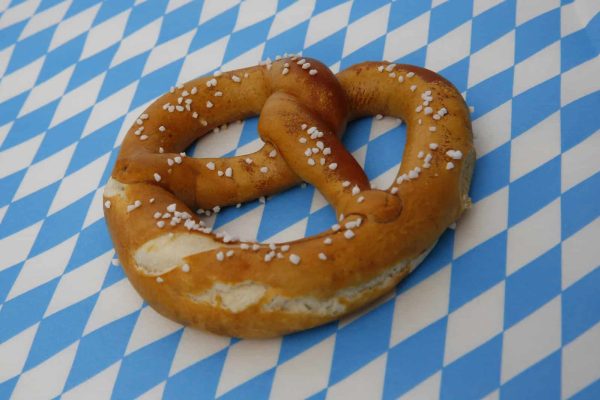
Pretzel
The Trier Christmas market spreads its wooden chalets across the Hauptmarkt and up to the cathedral forecourt, right in the heart of the oldest city in Germany. Founded under the Roman Empire, Trier (Trèves in French) keeps impressive remains a few steps from the stalls: the Porta Nigra, blackened by twenty centuries of history, marks the start of the shopping street that leads to the market. For anyone living in Lorraine, Alsace or near the Luxembourg border, this day out combines a German Christmas atmosphere, mulled wine and UNESCO-listed ancient heritage.
The Trier Christmas market, between the Hauptmarkt and the Domfreihof
The heart of the market takes up the Hauptmarkt, a triangular square lined with gabled houses and Gothic fountains, still the commercial centre of the city since the Middle Ages. The wooden chalets spread around the Petrusbrunnen fountain and climb up to the Domfreihof, the esplanade in front of St Peter's Cathedral, one of the oldest churches in Germany still in use. The closeness of market and sanctuary gives the place a particular atmosphere during the day, livelier in the evening when the lights come on above the stalls.
The colourful façades of the Hauptmarkt, rebuilt in their original burgher style after the destruction of the Second World War, act as a backdrop for the craft and food stalls. You get around without needing a complicated plan: the old town of Trier is walkable, and the market runs naturally into the neighbouring shopping streets, lined with windows decorated for the occasion. Families meet up there at the end of the week, between a tour of the wooden toy chalets and a pause in front of a nativity scene set up near the cathedral. The contrast between the blackened Roman stone, the baroque façades of the centre and the strings of lights gives the market a character quite different from the big commercial squares of the Rhine, more intimate despite the December weekend crowds.
Simeonstraße, the main pedestrian street linking the Porta Nigra to the Hauptmarkt, rounds off the visit with its shops dressed for the season. The windows of the patisseries and cafés show off their own decorations, in the same spirit as those of the market. As the historic centre of Trier is compact, it can be covered in a single afternoon, which leaves time to pair the Christmas market with a wider tour of the city without organising two separate outings. Groups coming by coach from Lorraine or the Saarland often choose that formula: a morning devoted to the Roman heritage, then the afternoon at the market as the light begins to fade.
Mulled wine and treats on the stalls
On the stalls, Glühwein takes centre stage: served hot in ceramic mugs bearing the city's emblem, it often comes from the vineyards of the Moselle valley, the neighbouring wine region known for its whites. Roasted almonds (gebrannte Mandeln) and gingerbread (Lebkuchen) fill out the sweet offer, alongside pretzels and savoury specialities from Rhineland-Palatinate, such as the grilled sausages sold at any hour. Waffles and hot chestnuts also turn up from one end of the market to the other, following your appetite rather than any set route. As at most German markets, the mug of Glühwein carries a deposit refunded when you bring it back, or kept as a souvenir by a good share of visitors.
Mulled wine lovers will find several variations in our guide to mulled wine, from Glühwein to glögg, made with red or white wine, some of them close to the Glühwein served on the Hauptmarkt. The craft stalls, candles, wooden toys and blown glass decorations, take up part of the market alongside the food stands, in a balance that is fairly typical of a mid-sized German Christmas market. The shops of the old town keep the mood going after the chalets close, with patisserie and local speciality windows open during the day.
Dates, hours and prices for the 2026 edition
The 2026 edition, announced as the forty-sixth, runs from Friday 20 November to Tuesday 22 December 2026, with a closure on Sunday 22 November, the day of Totensonntag. The chalets open Monday to Thursday from 11am to 8.30pm, Friday and Saturday until 10pm, Sunday until 8pm. These times are the ones published by the market organisers (recorded on 16/09/2026). Entry to the market is free; you only pay for what you eat, drink and buy on the spot.
Allow one to two hours to cover the whole of the Hauptmarkt and the Domfreihof, a little more if the visit includes a break in one of the old town cafés or a detour to the Porta Nigra. The Trier tourist office website remains the reference for exact dates, opening hours and any events scheduled on the Hauptmarkt. One useful point before booking a train or a hotel: German markets near the border, like this one, often publish their full programme quite late in the autumn, unlike some big markets that announce their dates as early as the summer. A glance at the market's official website a few days before departure is enough to check that no hours have changed.
Getting there from France: train and car to Trier
Trier is reached without detours from Lorraine and Luxembourg. By train, you first need to get to Luxembourg City, by TGV from Paris or by regional train from Thionville and the Metz Christmas market, then take a German regional connection to Trier station. The link between Luxembourg City and Trier is one of the regular cross-border services between the two countries, which usually keeps the ticket to a single booking. From Paris, several combinations exist depending on the time of day, the most direct being the one via Luxembourg City rather than a big German rail hub such as Frankfurt or Saarbrücken.
By car, allow about an hour from Luxembourg City and an hour and a half from Metz on the A31 and then the German roads; there are car parks in the centre, near the Porta Nigra and along the Moselle. The Thionville Christmas market and the Luxembourg Christmas market combine well with Trier for a weekend in the Greater Region, across three countries. For anyone coming from Alsace, a detour via Luxembourg remains the most direct option, as crossing the Palatinate by road takes longer.
- Location: Hauptmarkt and Domfreihof, right in the historic centre, a few minutes' walk from Trier station.
- Access: station connected to Luxembourg City, with connections from Thionville and Metz on the French side.
- Budget: free entry, plus the cost of drinks, food and any souvenirs bought at the craft stalls.
- To combine: the Porta Nigra, St Peter's Cathedral and the imperial baths, superb in the evening under the Christmas lights and all walkable from the Hauptmarkt.
- Nearby: a weekend is possible with the Luxembourg Christmas market and the Moselle valley.
- Good to know: groups coming from Lorraine often pair the market with a tour of the Roman heritage, a few minutes' walk from the Hauptmarkt.
The Porta Nigra and the Roman heritage around the market
The city's ancient heritage rounds off the visit: UNESCO-listed since 1986 for its remarkable ensemble of Roman ruins, it is concentrated a few minutes' walk from the Hauptmarkt. The Porta Nigra, a fortified gate from the 2nd century, opens the shopping street that leads to the market. The Roman bridge over the Moselle, built in Roman times, remains the oldest bridge in Germany still standing. The imperial baths, the Basilica of Constantine and the Roman amphitheatre complete the ensemble, spread over several districts of the historic centre.
On the religious side, St Peter's Cathedral, right beside the market, holds a reliquary containing what is regarded as the Holy Robe of Christ. Trier has also been twinned with Metz since 1957, a long-standing link between the two cities that many visitors from Lorraine already know. The Moselle valley, with its vine-covered slopes visible from the heights of the city, completes the picture of a region where Roman heritage and winegrowing tradition meet at Christmas. This density of monuments, packed into a modest historic centre, sets Trier apart from the big German cities where ancient remains are more scattered.
Our tip
Follow the market with a stop at the Porta Nigra at the end of the day, when the low light brings out the blackened Roman stone.
Reviewed and approved by the editorial team
Checked on against 4 official sources. Detailed sources available on request.
A question, a mistake or a problem on this page? Write to us
Markets nearby
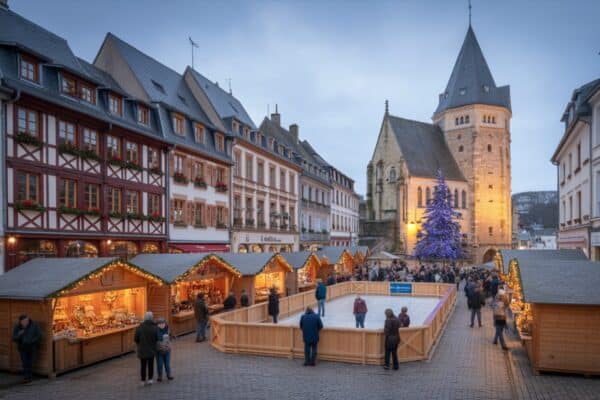 Dates to be confirmed
Thionville Christmas Market
Thionville
Day out
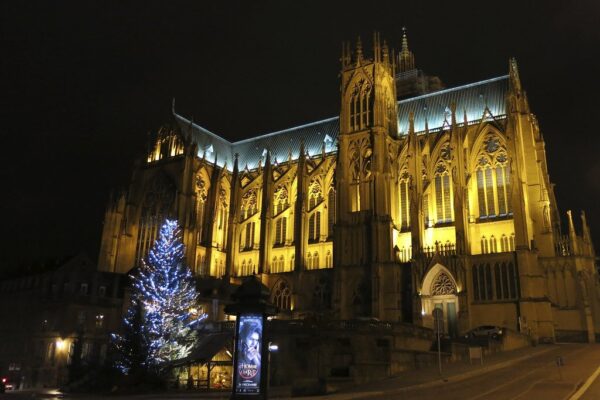 Opens on 20 November
Metz Christmas Market
Metz
From 20 November to 30 December 2026
Worth the trip
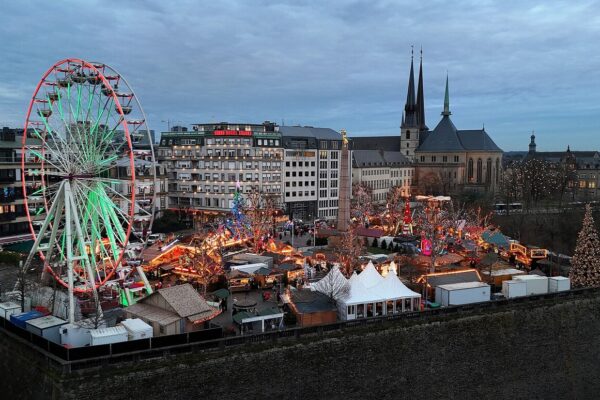 Opens on 20 November
Luxembourg Christmas Market
Luxembourg
From 20 November to 3 January 2027
Worth the weekend
Activities nearby
Parks and sites running a Christmas programme less than an hour's drive away. They aren't Christmas markets, and admission is charged.
 Opens on 20 November
Park
Parc de Sainte-Croix at Christmas: Lumières d’Hiver
Rhodes
Worth the weekend · Park
 Opens on 14 November
Park
Phantasialand at Christmas: Wintertraum
Brühl
From 14 November to 24 January 2027
Worth the trip · Park
 Opens on 28 November
Event
Haut-Koenigsbourg Castle at Christmas
Orschwiller
From 28 November to 31 December 2026
Day out · Event