
Where to find Saarbrücken Christmas Market
Highlights of Saarbrücken Christmas Market
- More than eighty chalets on St. Johanner Markt and Bahnhofstraße
- The fifty-metre Jupiter Ferris wheel on Tbilisser Platz
- Real-ice rink on Bahnhofstraße
- Dibbelabbes and Saarland specialities to taste on the spot
- Ten minutes by train from Forbach
Where to stay near Saarbrücken Christmas Market
Hotels, flats and rooms around the market, for the dates of your stay.
Check availability with our partners
Specialities to try
The flavours that make this market what it is
Dibbelabbes
a bake of grated potatoes with bacon and leeks
remains Saarland’s most-mentioned speciality
found alongside mulled wine
pretzels and gingerbread
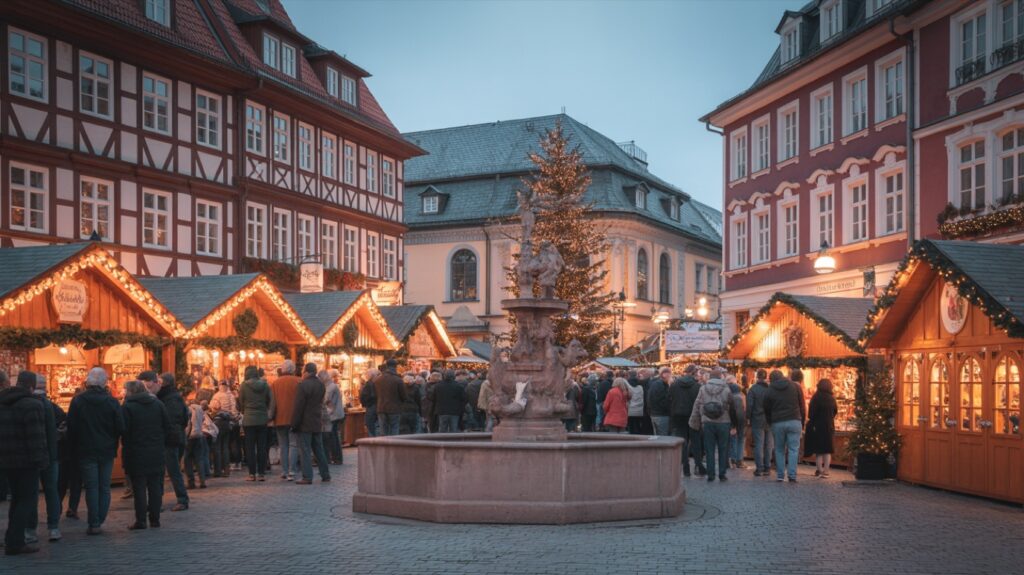
Saarbrücken Christmas market sets out its chalets every year on St. Johanner Markt and Bahnhofstraße, two pedestrian streets in the historic centre of the capital of Saarland. The city is about ten minutes by train from Forbach and less than half an hour from Sarreguemines by tram-train, which makes it a day trip for people living in eastern Moselle and Metz. More than eighty exhibitors gather along some 700 metres, with crafts, decorations and specialities from Saarland, a meeting point of French and German cultures. Saarbrücken stretches along the banks of the Saar, just a few kilometres from the Moselle border, in an area where French is often understood as well as German. The 2026 edition runs from 23 November to 30 December, with free entry.
Saarbrücken Christmas market, from St. Johanner Markt to Bahnhofstraße
The heart of the market fills St. Johanner Markt, Saarbrücken’s historic square laid out in the 18th century around the Baroque Stengel fountain, dating from 1759. The chalets continue along Bahnhofstraße, the shopping street leading to the main station. The route, pedestrianised along its entire length, runs through a district of small shops, bistros and restaurants where Saarbrücken life is concentrated all year round.
Each of the two streets keeps its own character: the market square is all about a friendly atmosphere around the fountain, Bahnhofstraße about the bustle of a shopping street that leads straight to the station. Access to the market is free, with no ticket or checks.
When evening comes, the façades of St. Johanner Markt light up with fairy lights and the wooden chalets cast a warm glow on the cobbles of the old town. The walk between the two sites takes a few minutes, so you can cover the whole market without retracing your steps. Comfortable shoes are a good idea: the cobbles are not kind to heels in wet weather.
On weekdays, the square is pleasant to explore at a relaxed pace in the late afternoon, before the evening lights draw groups coming after work. At weekends, the action is more in the evening, between the market and the bars in the neighbouring streets that stay open late in December.
Ferris wheel, ice rink and pyramid: the atmosphere at Saarbrücken Christmas market
The Jupiter Ferris wheel rises fifty metres above Tbilisser Platz and offers a view of the city-centre illuminations. On Bahnhofstraße, a real-ice rink welcomes skaters and ice curling fans. A Christmas pyramid marks the centre of the market, surrounded by huts serving mulled wine and punch.
At the end of the day, a flying Santa crosses the sky above the visitors, in an animated show built around the story of the red-nosed reindeer. On Wednesdays, a programme designed for children rounds things off, with workshops and activities. A photo booth lets you leave with a souvenir of the evening.
From a Ferris wheel gondola, the view takes in the rooftops of the historic centre, the Saar and, on clear days, the hills separating Saarland from Moselle. Around the ice rink, benches and high tables let you watch the skaters with a hot chocolate in hand, without necessarily putting on skates.
The photo booth on Bahnhofstraße offers a different backdrop each week, often shared by visitors on social media. The fairy lights strung across the street join those of the market square, forming a continuous thread of light between the two sites of the Christkindlmarkt.
Mulled wine, Dibbelabbes and pretzels: the flavours of Saarbrücken market
Saarland cooking sits at the crossroads of French and German influences. Dibbelabbes, a bake of grated potatoes, bacon and leeks cooked in the oven and served with apple sauce, remains the local speciality most often mentioned by residents. The stalls also sell pretzels, hot chestnuts and gingerbread, to share between two craft chalets.
For mulled wine, a two-storey hut, the Mühlenschenke, serves punch and Glühwein at the foot of the Christmas pyramid. Saarland Glühwein has a cousin in the mulled wine recipe made on the French side of the border.
On the savoury side, grilled bratwurst remains a classic of German chalets, served in a bread roll with mustard or ketchup depending on the stall. Christmas biscuits, the Plätzchen made to family recipes, complete the sweet offer alongside gingerbread and hot chestnuts sold in paper cones.
For families, an alcohol-free Kinderpunsch is served at the same huts as the Glühwein, lukewarm, in the same reusable cups. Some stalls also offer waffles and crêpes, a nod to visitors from Moselle and Alsace, who are more used to that sweet tradition than to Dibbelabbes.
From France: train, tram-train and car to Saarbrücken
Saarbrücken is easy to reach from eastern Moselle. The TER regional train links Forbach to the city centre in about ten minutes, and the tram-train from Sarreguemines takes just under half an hour. By car, Metz is about an hour away on the A4, with parking available in the car parks of the historic centre.
From Paris, TGV and ICE trains reach Saarbrücken in just under two hours, with no change. As for money, the euro is the currency on both sides of the border, which makes shopping on the spot simple.
From the main station, Bahnhofstraße leads straight to the market: just follow it to St. Johanner Markt, with no need for local transport. For visitors arriving by car, the covered car parks around the historic centre are the simplest option in December, when street parking is scarce. A warm coat and gloves are not overkill: evenings in late November and December get noticeably colder in the Saar valley, as everywhere in the neighbouring Grand Est region.
For a day trip from Forbach or Sarreguemines, the return train journey leaves plenty of time to see the market, eat there and head home in the evening. Check connections on the German side in advance, as cross-border TER timetables sometimes change between weekdays and weekends.
Old Saarbrücken: Baroque fountain and view towards the palace
The triangle formed by the market fountain, the palace of the princes of Nassau-Saarbrücken and the Ludwigskirche is known as the Stengel triangle, after the architect who redesigned the old town in the 18th century. From the fountain, the sightline towards the palace survives, but the one that led to the Ludwigskirche has gone.
The Basilica of St. Johann, which borders the square, completes this architectural ensemble and stays open during the market. After the chalets, the old town can be explored on foot in just a few streets, between Baroque façades and cobbled alleys.
The Ludwigskirche, on the other side of the Saar, illustrates the Protestant Baroque style typical of the region and once closed a second sightline that opened from the market fountain. The bridge linking the two banks takes a few minutes to cross, for anyone wanting to extend the visit beyond the chalets and fairy lights.
This blend of urban history and market atmosphere can be enjoyed in a single evening: Saarbrücken’s historic centre is compact, with chalets and heritage along the same walking route from St. Johanner Markt.
- About ten minutes away by train, Forbach Christmas market can be visited on the same day, on the French side of the border, to compare the two atmospheres without a big detour.
- Sarreguemines Christmas market rounds off the outing for those coming by tram-train from the Sarreguemines area, with a similar journey time between the two towns.
- From Metz, an hour’s drive on the A4 separates Metz Christmas market from Saarbrücken’s, two atmospheres to compare over the same December weekend.
- The Jupiter Ferris wheel and the Bahnhofstraße ice rink are open every day of the market, including weekend evenings, when the illuminations are at their best.
- On Wednesdays, the market offers a programme designed for children, with workshops and activities for families on a day trip from eastern Moselle or the Sarreguemines area.
Our tip
Plan your visit on a weekday to enjoy the Ferris wheel without queuing, as December weekends draw bigger crowds from eastern Moselle and Saarland.
Reviewed and approved by the editorial team
Information checked against 4 official sources. Detailed sources available on request.
A question, a mistake or a problem on this page? Write to us
Markets nearby
Activities nearby
Parks and sites running a Christmas programme less than an hour's drive away. They aren't Christmas markets, and admission is charged.
 Dates to be confirmed
Park
Dates to be confirmed
Park
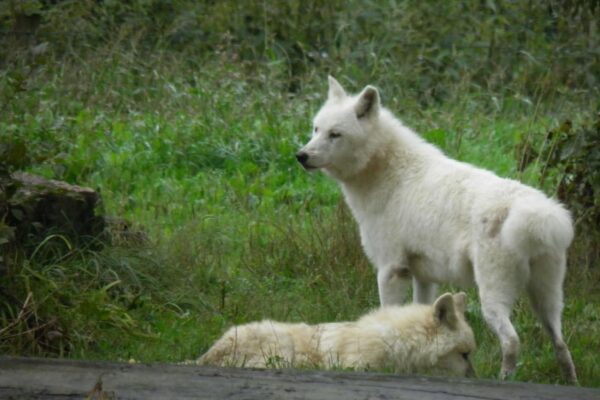
Parc de Sainte-Croix at Christmas: Lumières d’Hiver
Rhodes
Worth the weekend · Park
 Opens in 50 days
Event
Opens in 50 days
Event
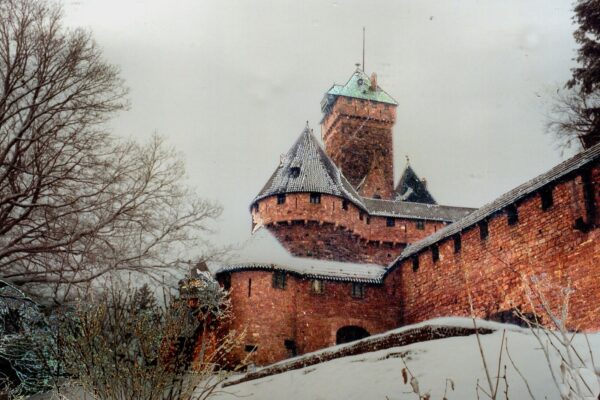
Haut-Koenigsbourg Castle at Christmas
Orschwiller
From 28 November to 31 December 2026
Day out · Event
 Opens in 50 days
Park
Opens in 50 days
Park
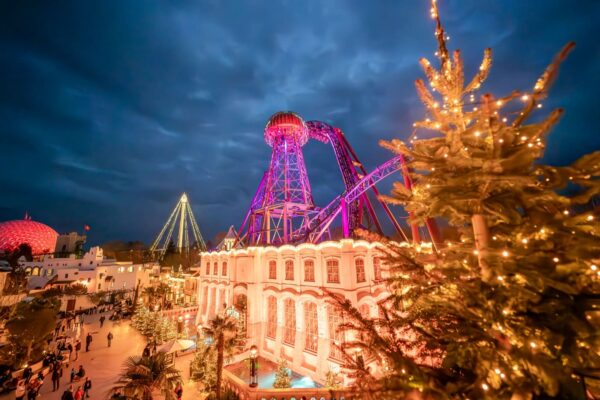
Europa-Park at Christmas: Winterzauber
Rust
From 28 November to 9 January 2027
Worth the trip · Park