
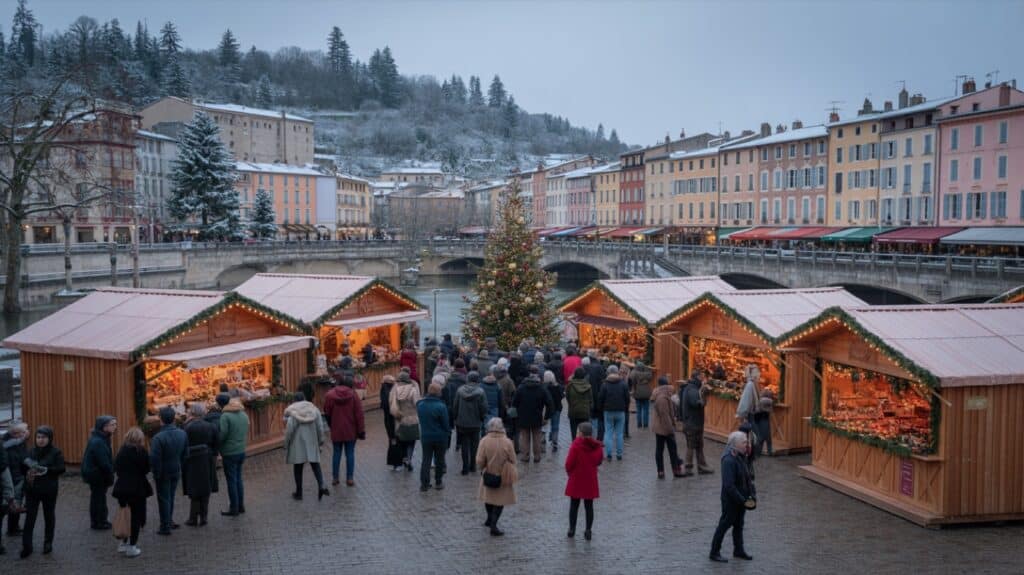
Where to find Castres Christmas Market
Highlights of Castres Christmas Market
- Chalets on Place Jean-Jaurès in the middle of a forest of 600 snowy fir trees
- Fresques de Lumière: video mapping on Saint-Benoît cathedral and five heritage sites
- Ice rink, rides and a parade of Father Christmases on motorbikes for families
- Tarn specialities: melsat, Lautrec pink garlic, Gaillac wines
- Colourful tanners’ houses on the Agout, the little Venice of the Tarn
Where to stay near Castres Christmas Market
Hotels, flats and rooms around the market, for the dates of your stay.
Check availability with our partners
Specialities to try
The flavours that make this market what it is
Melsat
Tarn white sausage
tripous
local sausage and charcuterie
Lautrec pink garlic
Albi gimblettes
Gaillac wines and spiced mulled wine
Castres spends the winter on the banks of the Agout, the river lined with the old tanners’ and dyers’ houses, whose pastel façades reflect in the water and have earned the town its nickname of the little Venice of the Tarn. From late November, the Castres Christmas market takes shape on Place Jean-Jaurès and Place Soult, with around forty wooden chalets, a forest of snow-covered fir trees planted right in the centre and, every evening, the façade of Saint-Benoît cathedral brought to life by the projections of the Fresques de Lumière. Families come with a mulled wine in hand for the crafts, the rides and the melsat made by local butchers.
The chalets on Place Jean-Jaurès, among snowy firs and North Pole cabins
The heart of the market beats on Place Jean-Jaurès, the large rectangle lined with classical façades where the statue of the town’s famous orator stands. The town sets up an enchanted forest of around six hundred real fir trees covered in artificial snow, among which some forty craftspeople and North Pole-themed animated cabins are tucked away. The decorations spill over to nearby Place Soult and carry on into the lanes of old Castres, where shopkeepers’ windows join in with the lights. The effect of snowy firs in the middle of town often surprises visitors: the recreated forest gives the market the feel of a winter clearing, with its wooden cabins set between the trunks. Within a few dozen metres you go from the makers to the Terrasses Gourmandes, between craft demonstrations, sung concerts and children’s workshops. The chalets range from little three-square-metre huts to large food structures, so crafts (jewellery, soaps, pottery, hand-turned decorations) sit right next to the food stalls. The ice rink and the rides keep younger visitors busy for a good part of the afternoon, and the parade of Father Christmases on motorbikes remains one of the highlights of the programme, as do the concerts held on some evenings among the fir trees.
Light plays a big part here. At dusk, five Castres heritage sites light up for the Fresques de Lumière, now in its eighth edition. Saint-Benoît cathedral serves as the screen for a trompe-l’œil video-mapping show in which the architecture seems to warp and be reborn from one scene to the next, mixing medieval references with immersive staging. Heading back towards the Agout, you find the colourful houses of the old textile craftsmen (tanners, dyers and parchment makers), whose ochre, blue and green façades plunge into the river and look almost unreal once lit up. These houses tell the story of the town’s working past, of textiles and of the woad of the pays de cocagne that made the region rich in the Renaissance. A walk along the quays, between the Pont Vieux and the Pont-Neuf, gives the best view of this waterfront, especially when the lights double each façade with its reflection.
Treats at the Castres Christmas market: the Tarn on your plate
When it comes to food, you are in Castres country, a land of charcuterie and hearty eating. Melsat, the Tarn white sausage made with bread, eggs and pork fat, is the star of the stalls, often pan-fried and served warm. Slow-cooked tripous, sausage and pâtés from local producers complete the table, alongside Lautrec pink garlic, grown a few kilometres away and recognisable by its pinkish skin. Those with a sweet tooth turn to gimblettes from Albi and Gaillac wines, lightly sparkling whites or reds for laying down, which go with festive meals. The Terrasses Gourmandes add their share of crêpes, hot chestnuts and artisan sweets, perfect for nibbling as you walk among the firs. Spiced mulled wine goes round from stall to stall, served steaming to warm up December evenings. If you want to keep the mood going at home, a good mulled wine recipe with cinnamon and orange already does half the work.
- Melsat, the typical Tarn white sausage, to taste pan-fried and warm at the stalls of local butchers.
- Tripous and Gascon black pork sausage, slow-cooked to local producers’ recipes.
- Lautrec pink garlic, grown close to Castres, to take home as a braid for festive cooking.
- Albi gimblettes and sweet treats from the Terrasses Gourmandes, between two rides on the merry-go-round.
- Gaillac wines, from lightly sparkling white to reds for laying down, and spiced mulled wine served hot.
Opening hours, access and entertainment: practical information
The market is free to enter, as is all the entertainment, and you only pay for what you eat, drink or take home. The 2025 edition ran from 28 November to 31 December, with the chalets open daily from 11am to 9pm, Father Christmas present until 24 December and the Fresques de Lumière projected after dark. For winter 2026, the town of Castres announces the market from Friday 27 November to Thursday 31 December 2026, free to enter; the opening hours and programme have not yet been published. Rides, the ice rink, concerts and the parade of Father Christmases on motorbikes fill the days, a real bonus if you are bringing children.
Castres has no direct TGV station: the easiest option by train is to get to Toulouse-Matabiau, then take the regional line to Castres station, about ten minutes’ walk from the centre. By car, the A68 motorway and then the road to Castres link it to Toulouse in a little over an hour; the A69 Toulouse-Castres toll motorway is due to open in mid-October 2026 according to its concession holder, Atosca. Several car parks ring the town centre, including the Théâtre car park and the area around Place Jean-Jaurès, which fill up quickly at December weekends. The town centre is flat and largely pedestrianised during the market, making it accessible with a pushchair or wheelchair, although the cobbled quays along the Agout need a little care. A practical tip: arriving in early afternoon lets you enjoy the chalets in daylight, then stay on for the Fresques de Lumière when night falls, around 6pm in December. At weekends Place Jean-Jaurès fills up fast, while weekday slots stay calmer for families with young children. Allow one to two hours to go round the chalets, longer if you add the ice rink, a ride and a quick meal at the Terrasses Gourmandes.
What to see around the Castres Christmas market
There is plenty to see beyond the chalets. The former bishop’s palace, designed by Jules Hardouin-Mansart, one of the architects of Versailles, now houses the town hall and the Musée Goya, home to the second-largest collection of Hispanic art in France after the Louvre: Goya, Velázquez and Murillo sit alongside a fine series of Spanish paintings, engravings and objects brought back from across the Pyrenees, a collection that surprises in a town of this size. Two minutes away, the Jardin de l’Évêché, designed by Le Nôtre, spreads its box-hedge embroidery behind the palace, its geometric beds keeping their crisp lines even under December frost. The Musée Jean-Jaurès, devoted to the founder of L’Humanité and son of the town, completes the visit for anyone wanting to understand Castres’ working-class and political history, shaped by the woad of the pays de cocagne and the textile tradition. Castres also has a firmly rooted rugby identity, with Castres Olympique, whose blue and white colours brighten match weekends at the Stade Pierre-Fabre. For some fresh air, the Sidobre and its granite boulder fields are only a quarter of an hour away, a good outing if you stay on beyond the holidays.
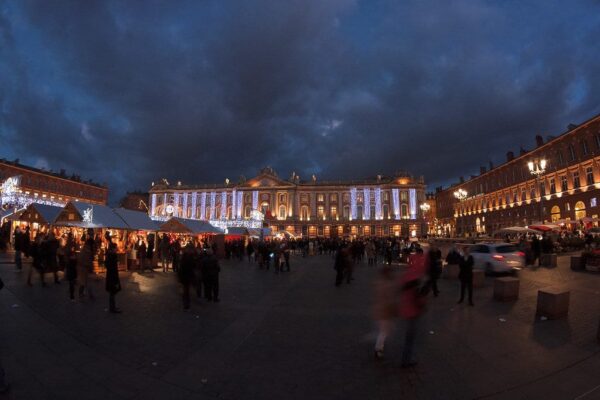
If you extend your stay, Castres’ location makes it a good base for exploring the Tarn and Occitanie. The Albi Christmas market is three quarters of an hour away, at the foot of Sainte-Cécile cathedral and the Palais de la Berbie. The Toulouse Christmas market, on Place du Capitole, deserves a whole day, and the Carcassonne Christmas market, nestled beneath the ramparts of the Cité, adds a medieval getaway to a festive weekend in the south-west.
Our tip
Combine the market with the Musée Goya (the second-largest collection of Hispanic art in France) and a walk along the Agout to see the colourful tanners’ houses, all a few minutes from the chalets.
Reviewed and approved by the editorial team
Checked on against 5 official sources. Detailed sources available on request.
A question, a mistake or a problem on this page? Write to us
Markets nearby
Activities nearby
Parks and sites running a Christmas programme less than an hour's drive away. They aren't Christmas markets, and admission is charged.
 Opens in 57 days
Event
Opens in 57 days
Event
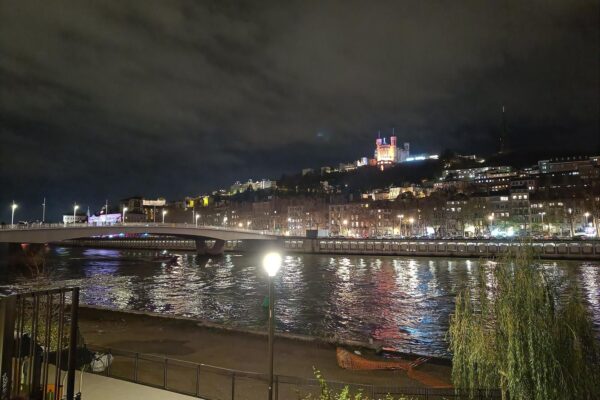
Fête des Lumières in Lyon
Lyon
From 5 to 8 December 2026
Worth the trip · Event
 Opens in 71 days
Park
Opens in 71 days
Park
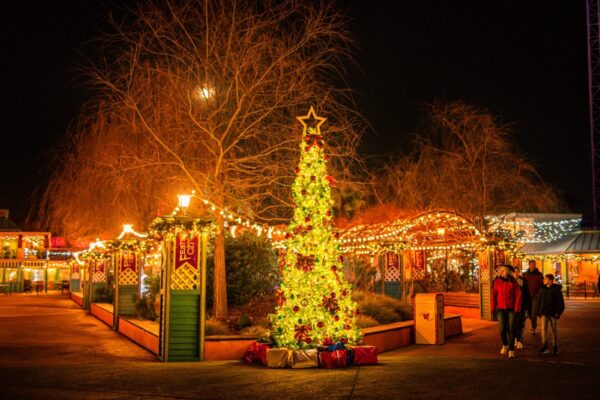
Walibi Rhône-Alpes at Christmas: Merry ChristWAAAs
Les Avenières Veyrins-Thuellin
From 19 December to 3 January 2027
Day out · Park
 Opens in 57 days
Park
Opens in 57 days
Park
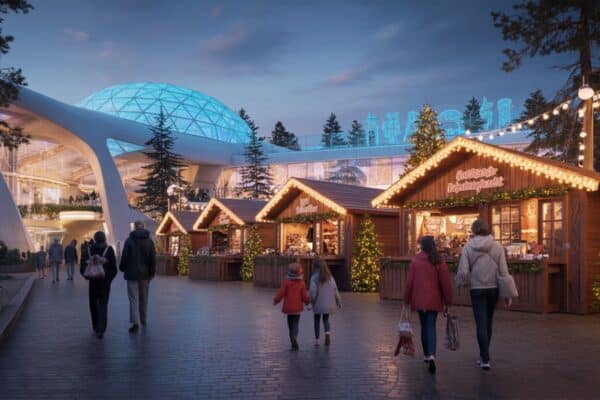
Futuroscope at Christmas: the festive season
Chasseneuil-du-Poitou
From 5 December to 3 January 2027
Day out · Park